


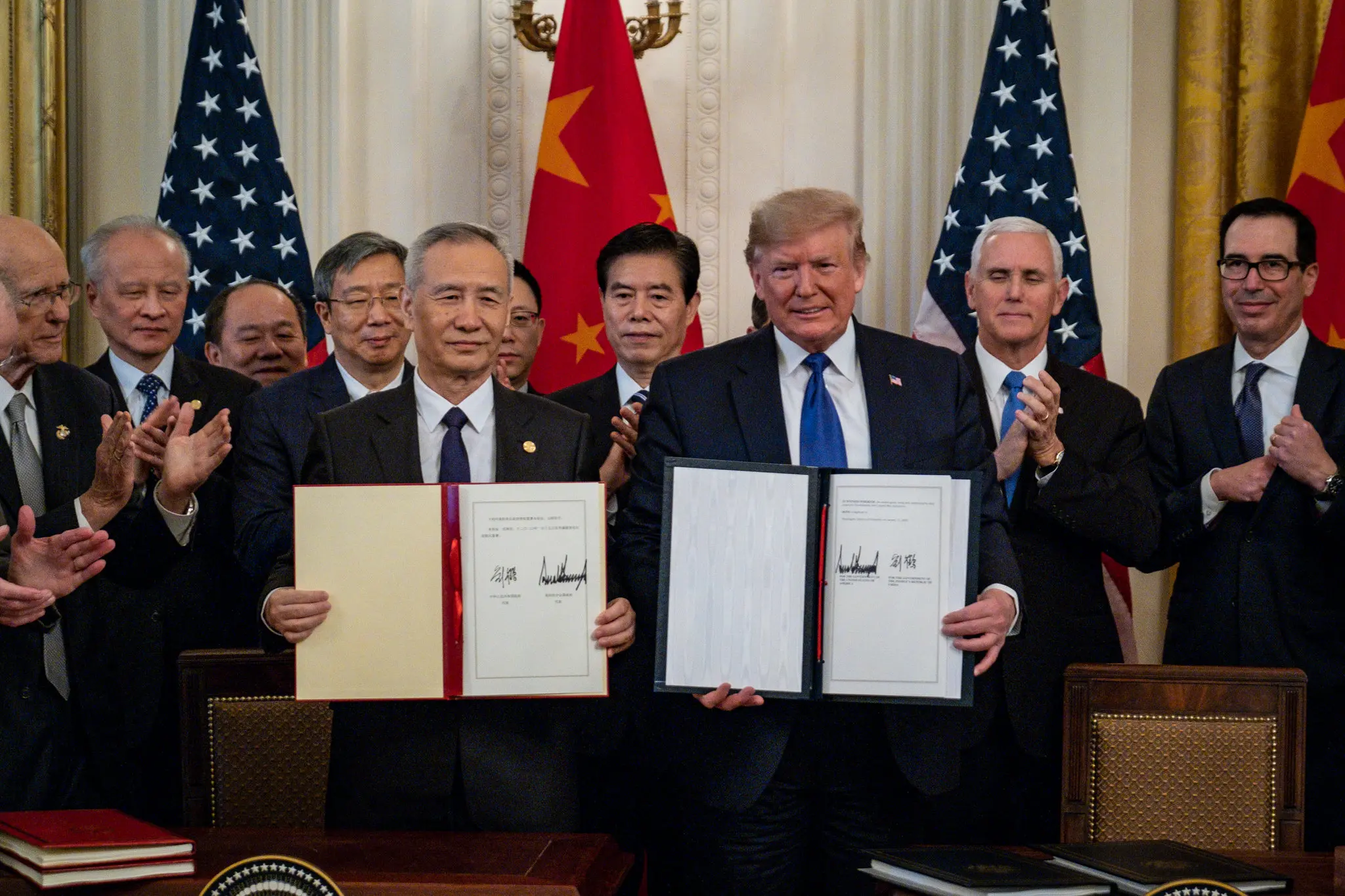
The United States and China have reached a preliminary agreement on a new trade framework. The deal aims to ease ongoing tensions and foster stronger economic cooperation between the world’s two largest economies.
Officials said the agreement focuses on improving trade balance, reducing tariffs, and creating clearer rules for market access. Both sides hope the framework will prevent future trade disputes and build long-term stability.
The discussions covered multiple sectors, including technology, agriculture, and manufacturing. Analysts say the framework could provide more predictable conditions for businesses operating across borders.
Trade experts welcomed the move, calling it a step toward constructive dialogue. By addressing key economic concerns, the agreement may also encourage investment and innovation in both countries.
The U.S.-China trade framework includes measures to enhance transparency in trade practices and strengthen enforcement mechanisms. Officials stressed that the framework is designed to be flexible and adaptive to changing economic conditions.
This agreement comes amid broader geopolitical tensions. Observers note that maintaining open trade channels can reduce risks of escalation and support global economic growth.
Both governments have emphasized that further negotiations will continue to finalize details. Early implementation of some measures is expected in the coming months, while comprehensive agreements will take additional time.
Businesses on both sides are cautiously optimistic. The framework could reduce costs, improve supply chain stability, and create more opportunities for exporters and importers.
Analysts also highlight that the framework may serve as a model for future international trade agreements. It demonstrates how dialogue and compromise can achieve practical solutions in complex global markets.
The agreement is seen as a diplomatic success, reflecting extensive negotiation and coordination. It signals a willingness from both Washington and Beijing to prioritize economic collaboration over confrontation.
Officials noted that public and private sector stakeholders will be closely involved in implementing the framework. Ongoing monitoring will ensure commitments are met and adjustments are made as necessary.
The U.S.-China trade framework is expected to strengthen bilateral economic ties while fostering confidence among investors and trading partners worldwide. It reflects experience, expertise, and careful negotiation to achieve mutually beneficial outcomes.
By reaching this preliminary deal, the two nations have taken a major step toward stabilizing their economic relationship. Observers say that continued cooperation could set a positive precedent for international trade diplomacy.

