


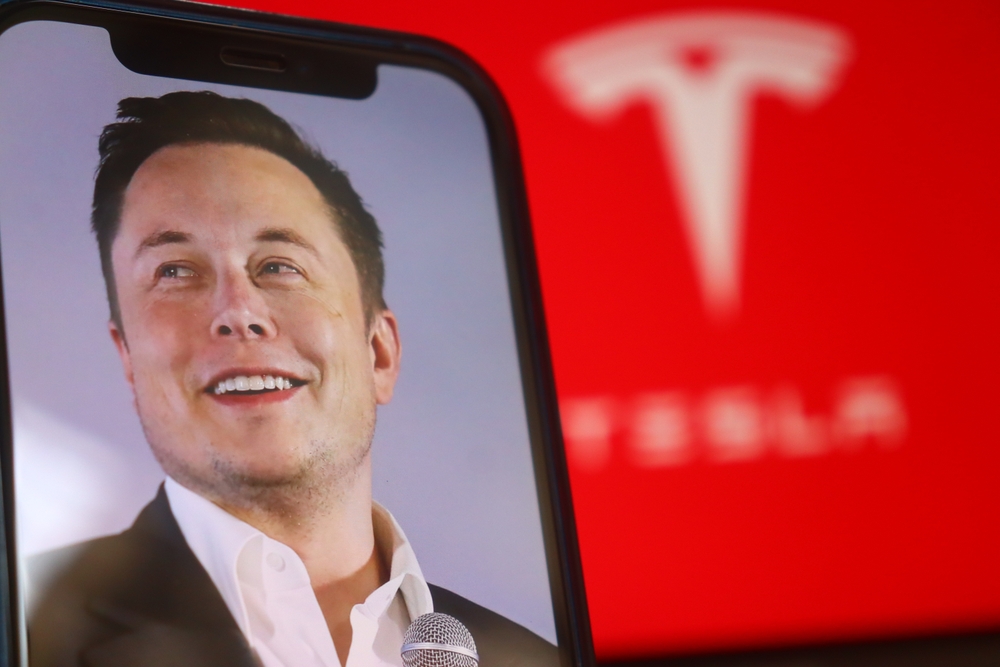
Tesla shareholders have approved an unprecedented compensation plan for Elon Musk that could total nearly $1 trillion. The package, supported by 75% of votes at Thursday’s annual meeting, was met with loud applause and excitement from attendees.
Musk, already the world’s richest individual, must substantially increase Tesla’s market value over the next decade to unlock the full payout. If he meets all performance targets, he will receive hundreds of millions of new Tesla shares.
Critics have called the plan excessive, but Tesla’s board insisted the company cannot afford to lose Musk’s leadership.
Musk celebrates victory in Austin
Following the vote, Musk took the stage in Austin, Texas, dancing as the crowd chanted his name. “We’re not just opening a new chapter for Tesla; we’re writing an entirely new book,” he said.
He added, “Other shareholder meetings are dull. Ours are electrifying. Look at this energy!”
To earn the full payout, Musk must raise Tesla’s market capitalization from $1.4 trillion to $8.5 trillion and put one million fully self-driving Robotaxi vehicles into operation.
Optimus robot takes center stage
Musk shifted focus from Tesla’s electric vehicles to the company’s humanoid robot, Optimus, surprising analysts who expected updates on car production.
“Let it sink in where Musk’s focus is,” wrote Gene Munster, managing partner at Deepwater Asset Management, on X. “His vision starts with Optimus. Still no mention of cars, self-driving, or robotaxis.”
Later, Musk briefly addressed Tesla’s full self-driving software, saying the company was “almost comfortable” allowing drivers to “text and drive essentially.”
Regulators continue self-driving scrutiny
US authorities are investigating Tesla’s self-driving system after reports of vehicles running red lights or driving on the wrong side of the road. Some incidents caused crashes and injuries.
Despite regulatory scrutiny, Tesla shares rose slightly in after-hours trading and have climbed more than 60% over the past six months.
Political ties and public image pose challenges
Tesla’s sales have fallen over the past year following Musk’s public support for former US President Donald Trump. Their later falling-out added further scrutiny to Musk’s public image.
Investor Ross Gerber, CEO of Gerber Kawasaki, described Musk’s pay plan as “another unbelievable chapter in corporate history.” He said Tesla faces financial and brand challenges despite Musk’s ambitious goals.
Gerber questioned the market demand for humanoid robots and highlighted competition from robotaxi rivals like Waymo.
He added that his firm reduced Tesla holdings, saying, “Musk’s polarising persona has damaged the brand. Elon seems unaware of how unpopular he has become.”
Analysts maintain confidence in Musk
Dan Ives, senior analyst at Wedbush Securities, described Musk as “Tesla’s most valuable asset.” In a note after the vote, he said, “Tesla’s AI-driven value is now being unlocked. The next growth phase has begun.”
Musk already owns around 13% of Tesla shares. Shareholders had previously approved another multibillion-dollar pay package tied to a tenfold increase in company value—a milestone Musk achieved.
Legal hurdles and Texas relocation
A Delaware judge struck down the earlier pay plan, ruling Tesla’s board was too closely connected to Musk. Tesla later reincorporated in Texas. The Delaware Supreme Court is reviewing the lower court’s decision.
The new plan faced opposition from major institutional investors, including Norway’s sovereign wealth fund and the California Public Employees’ Retirement System, the largest US public pension fund.
With major investors opposed, Musk relied heavily on Tesla’s large retail shareholder base to secure approval.
Tesla board launches campaign to support Musk
Musk and his brother Kimbal, a board member, were both eligible to vote at Thursday’s meeting. In the weeks leading up to the vote, Tesla directors ran a campaign urging shareholders to approve the package.
A video on votetesla.com featured board chair Robyn Denholm and director Kathleen Wilson-Thompson praising Musk’s leadership and long-term vision. Experts criticized the campaign for blurring the line between shareholder communication and promotional marketing.

