


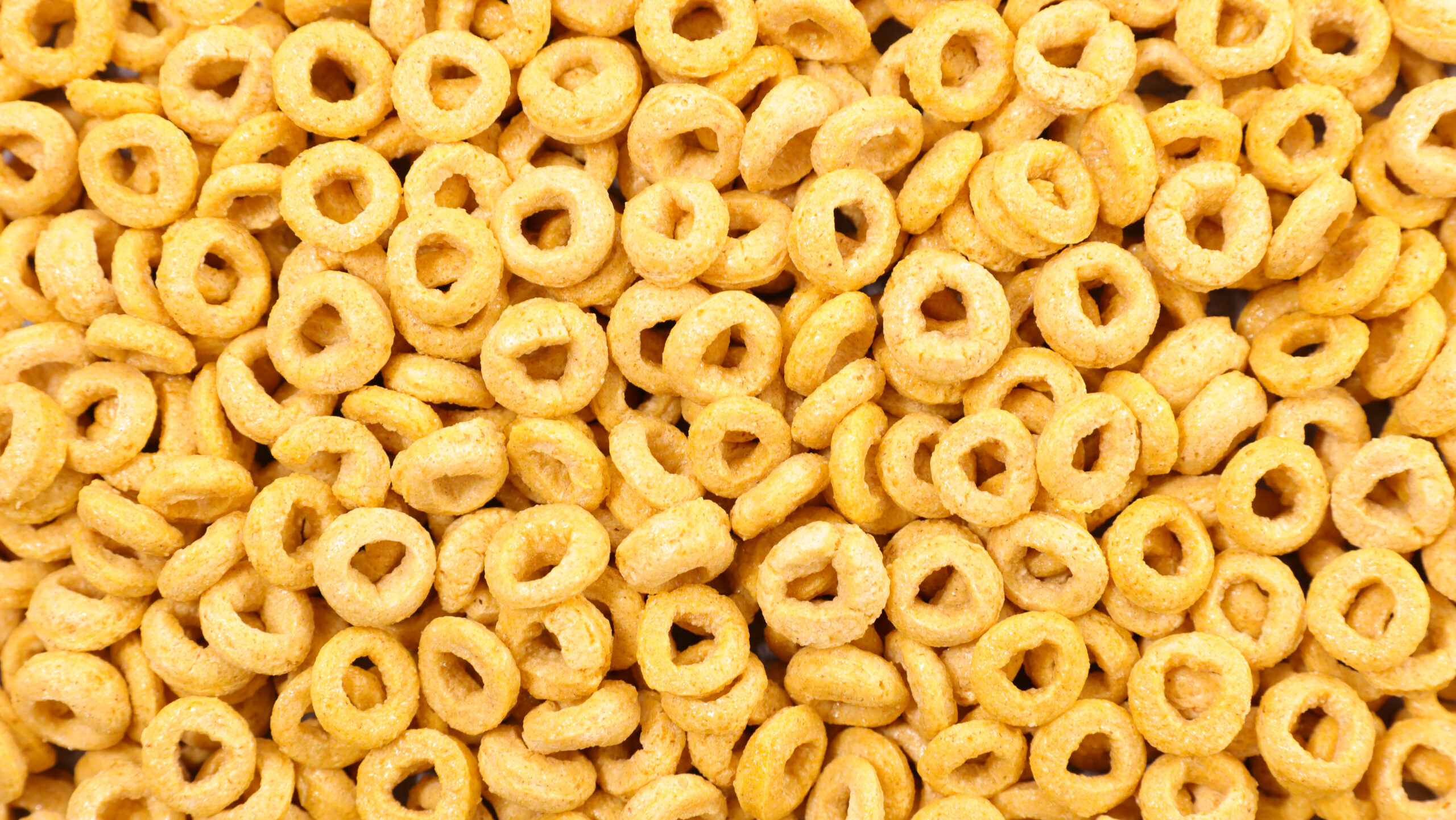
A new study has revealed widespread contamination of cereal products across Europe with trifluoroacetic acid (TFA) — a toxic “forever chemical” linked to reproductive and developmental harm. The research, conducted by Pesticide Action Network Europe (PAN), found that breakfast cereals contained average TFA levels 100 times higher than those found in tap water.
TFA forms when pesticides containing PFAS — long-lasting per- and polyfluoroalkyl substances — break down in the environment and are absorbed by crops. PFAS have been widely used in industrial and consumer products since the 1950s, and because they degrade extremely slowly, they can remain in soil and water for centuries. Research continues to link PFAS exposure to cancers and damage to the thyroid, liver and immune system.
Widespread contamination across Europe
The study analysed 65 cereal-based products from 16 European countries, detecting TFA in 81.5% of samples. Wheat-based foods showed the highest contamination. The worst-affected products included:
- Irish breakfast cereal
- Belgian wholemeal bread
- German wholemeal bread
- French baguette
Contamination was also found in pasta, sweets, croissants, flour, bread, cheese scones, gingerbread and spaghetti.
Calls for action
Campaigners warn that children are especially vulnerable to TFA because of its reprotoxic effects. Experts from PAN are urging governments to ban PFAS-based pesticides, set stricter safety thresholds and begin monitoring TFA levels in food. At present, EU authorities do not routinely test food for the chemical.
Although the UK was not part of the study, it is directly relevant: Britain still authorises 27 PFAS-based pesticide ingredients, including six considered highly hazardous.
“All people are exposed to TFA through multiple pathways,” said PAN Europe policy officer Salomé Roynel. “This demands immediate action.”
Researchers say the issue highlights the growing urgency of tackling PFAS pollution before it becomes irreversible.

