


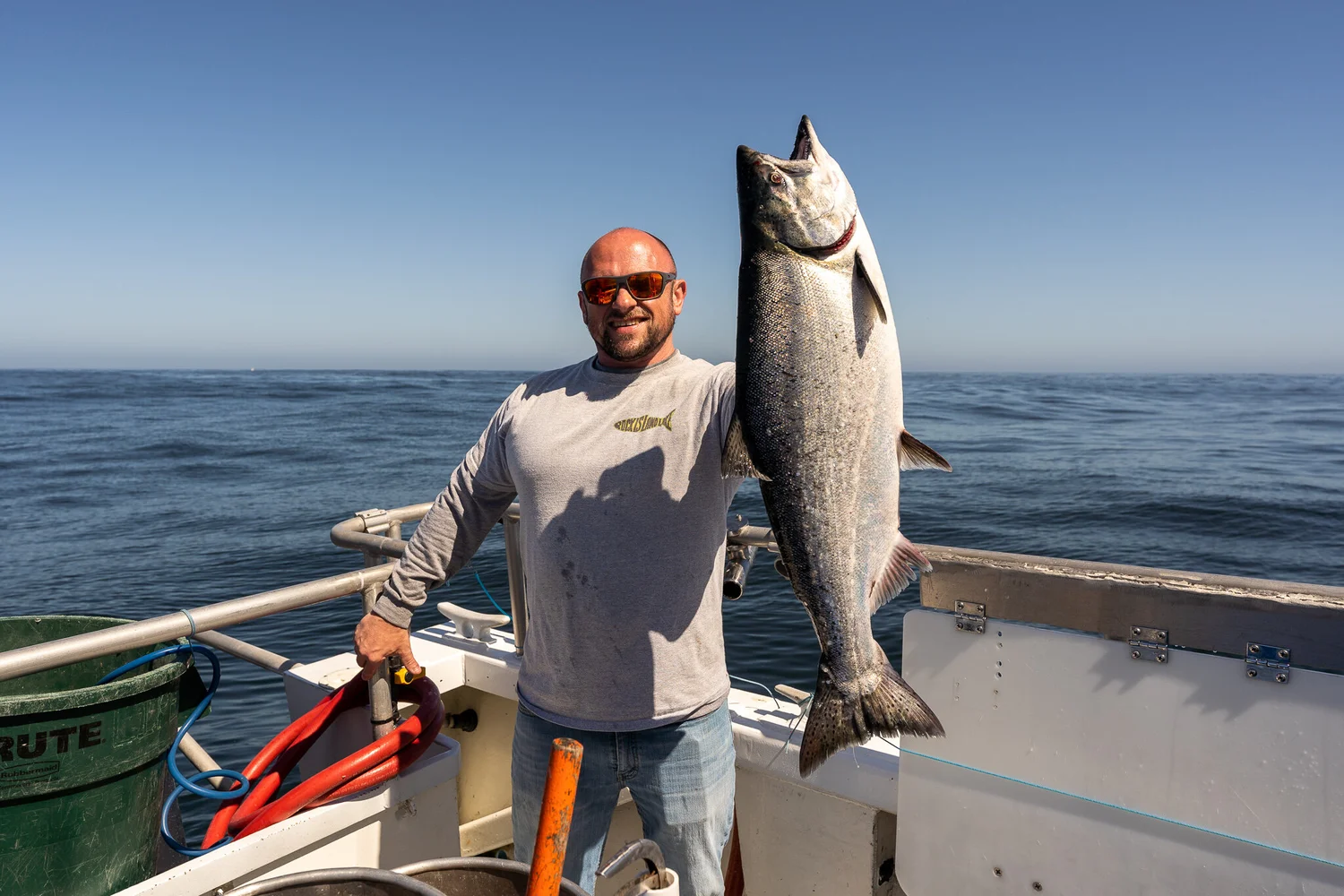
California Salmon Fishing has officially returned after a three-year pause, bringing relief to coastal communities and the fishing industry. Authorities in California have reopened parts of the commercial salmon fishing season for the first time since 2022.
The decision comes after signs of recovery in salmon populations. Experts say that wet winters improved river conditions, helping fish stocks rebuild naturally. Better water flow and healthier river systems allowed salmon to return in larger numbers.
Fishing restrictions were first introduced due to declining salmon populations. At the time, environmental conditions, including drought and warmer waters, had reduced survival rates. The pause was seen as necessary to protect long-term fish stocks.
Now, improved conditions have changed the outlook. Wildlife officials say the partial reopening reflects careful monitoring of fish numbers. The goal is to balance economic activity with environmental protection.
California Salmon Fishing plays a key role in local coastal economies. Many fishing communities depend on the industry for jobs and income. The reopening is expected to support workers who have faced financial pressure during the closure.
Fishermen are cautiously optimistic. While the season has reopened, limits are still in place to ensure sustainability. These rules control how much fish can be caught and when fishing is allowed.
Authorities say the reopening is not permanent without conditions. Fish populations will continue to be closely monitored. If numbers fall again, restrictions could return.
The fishing industry also supports a wider supply chain. This includes seafood processing, transportation, and restaurant businesses. A stronger salmon season is expected to improve supply for domestic markets.
Environmental groups have welcomed the recovery signs but stress caution. They say long-term stability depends on protecting rivers and maintaining healthy ecosystems. Climate patterns and water management will continue to play a major role.
California Salmon Fishing is also closely linked to natural river systems. Salmon travel from the ocean back to freshwater rivers to spawn. This journey depends on clean, cool, and well-flowing water conditions.
Recent wet winters have helped restore these conditions. Snowmelt and rainfall improved river levels, making it easier for salmon to survive and reproduce. Experts say this natural recovery cycle was essential for the rebound.
State officials highlight that the reopening is based on science-driven decisions. Data from fish counts and river monitoring helped guide the policy change. This approach aims to ensure both environmental protection and economic stability.
Coastal communities are expected to benefit first. Small fishing towns rely heavily on the salmon season. Increased activity could bring more income to local workers and businesses.
Restaurants and seafood suppliers may also see improved availability. A stronger salmon supply can help stabilize prices and meet consumer demand.
However, experts warn that recovery is still fragile. Ocean conditions, climate change, and water use policies will continue to affect salmon populations. Careful management remains essential.
The reopening of California Salmon Fishing marks an important step forward after years of uncertainty. It shows how environmental recovery and economic needs can work together when managed carefully.
For now, the return of the season brings hope to fishing communities and signals a positive shift in California’s natural ecosystem recovery.

