


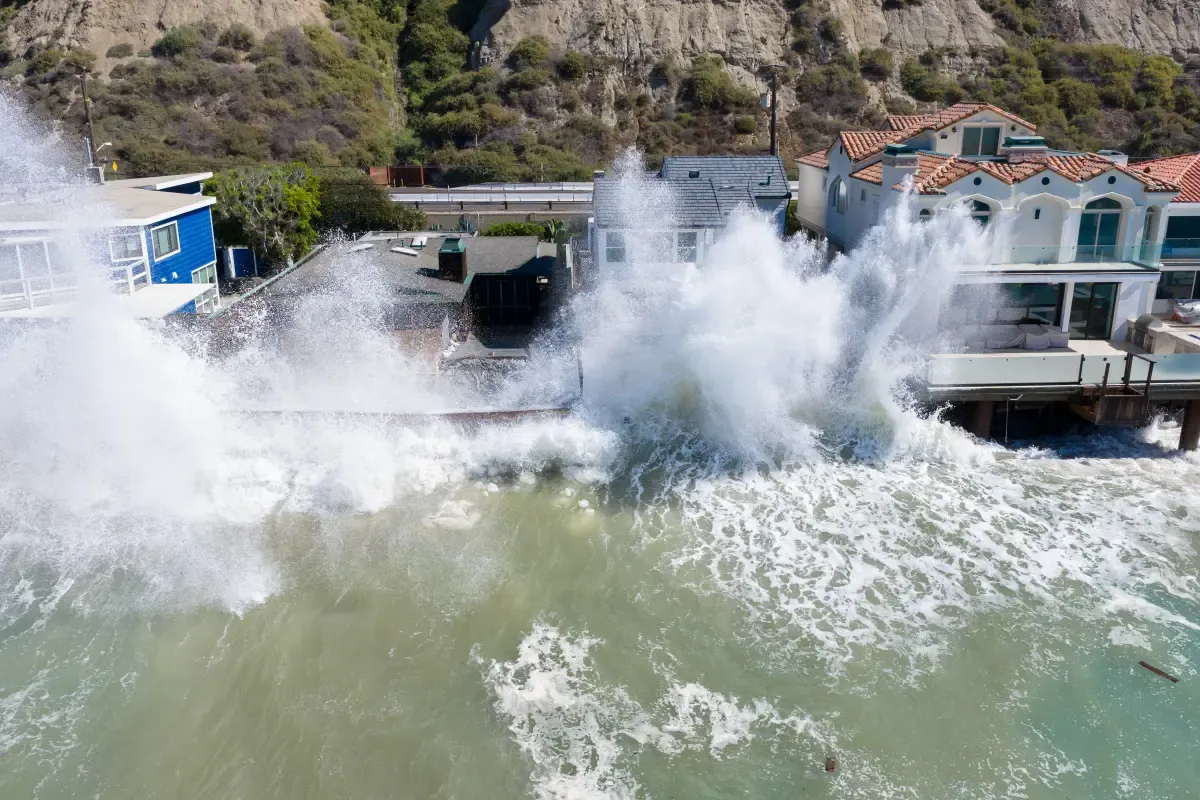
Storms moving into Southern California have raised concerns about high surf, flooding and debris flows, according to a report published on October 20. The weather may bring risks to coastal roads, low areas and places where soil has been weakened by earlier fires. Residents and local officials are watching conditions as the region prepares for possible impacts.
Heavy rain can create problems even when it does not last for many hours. Water may gather on roads, flow into low spots and make travel harder. In areas with steep hills, rain can also loosen soil and send mud, rocks and other debris down slopes. These risks can be higher where plants that once held the soil in place have been lost.
The coast faces a separate danger from high surf. Strong waves can reach roads, beaches and coastal paths, leaving little room for people who stand too close to the water. Even experienced beach visitors can be caught off guard by a large wave. Officials often advise people to keep a safe distance from the shore when rough seas are expected.
For towns along the coast, storms can affect daily life as well as public safety. Roads may close, work crews may need to clear drains and debris, and people may face delays on their way to school or work. Local firms can also lose trade if visitors stay away or access to shops and services becomes difficult.
The threat of debris flows is especially important in places that have suffered wildfires. Fire can leave the ground less able to absorb water and can remove plants that help hold soil in place. When rain reaches these areas, water may carry ash, dirt and rocks downhill. The size of the risk depends on the amount of rain, the shape of the land and the condition of the ground.
Residents can reduce some risks by taking simple steps before bad weather arrives. They can check local weather alerts, avoid flooded roads and keep away from streams that rise quickly. People living near hillsides should pay attention to official warnings and know how they would leave if an evacuation order is issued.
Drivers should also allow more time for trips and avoid trying to cross water covering a road. It can be hard to judge the depth or strength of moving water from inside a car. A road that looks passable may hide damage or a strong current. Waiting for safe conditions is often the better choice.
Local agencies may need to inspect drains, clear blocked routes and prepare crews to respond to reports of damage. Public updates can help people decide whether to travel or change their plans. If the storm brings more rain than expected, officials may also need to close roads or ask residents in higher-risk areas to move to safer places.
The forecast does not mean every community will face the same level of danger. Conditions can vary over short distances, and the impact will depend on where rain falls and how strong the surf becomes. People should rely on local alerts for details about their own area rather than assume that one forecast applies equally to the whole region.
The main concern is whether rain, rough seas and weak ground will combine to create hazards. Preparation can lower the risk, but it cannot remove it entirely. As the weather system moves through, residents should stay alert, follow local advice and avoid areas where water or falling debris could put them in danger.

