


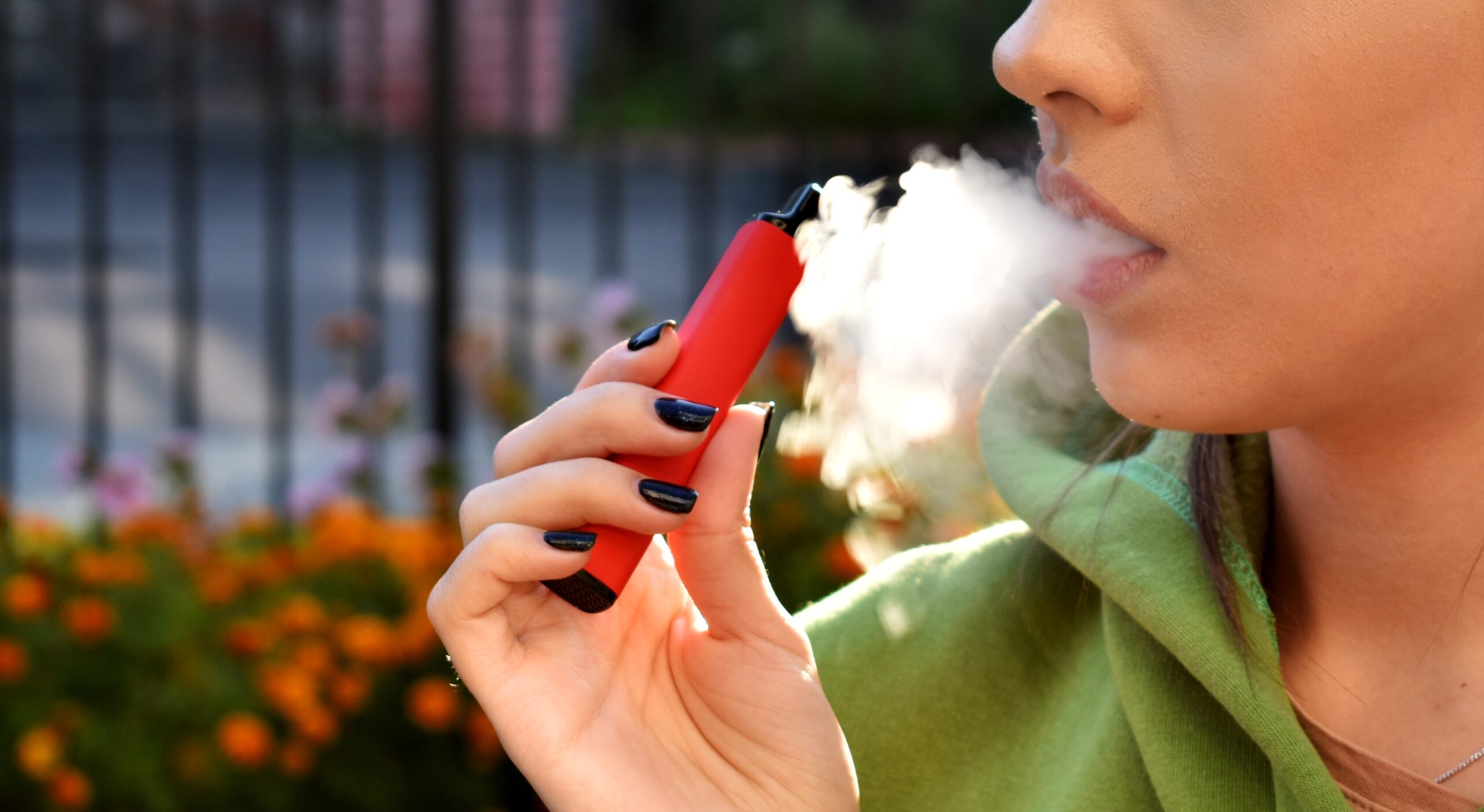
The Co-op has instructed staff to boost the visibility and promotion of vape products in its stores as part of a drive to recover sales following a major cyber-attack earlier this year.
According to an internal document seen by The Guardian, the retailer is increasing vape displays, expanding product ranges, and adding new advertising to attract customers who turned to rival shops after the April hack disrupted operations and supply chains.
The strategy, titled Powering Up: Focus Sprint: Cigs, Tobacco and Vape, states that sales in this category have not returned to pre-cyber levels, with “£1m missing sales per week” and 100,000 fewer customer transactions. The document highlights that at least 40% of the losses are from customers forming new shopping habits elsewhere after being unable to buy tobacco or vape products during the crisis.
The Co-op’s move complies with UK law but has sparked unease among employees, who question whether promoting vapes aligns with the company’s long-held “ethical” image. The Co-op markets itself as a retailer that puts “principles before profit” and promotes social responsibility in its business model.
One staff member told The Guardian: “They present the lovely idea of ethical shopping – you might pay a bit more but they are doing things right. This strategy goes against everything we’ve done until now.”
The push comes amid growing national concern about youth vaping. Government data shows a sharp rise in under-18s using vapes, often drawn in by colourful packaging and sweet flavours. England’s chief medical officer, Prof Chris Whitty, has repeatedly warned: “If you smoke, vaping is much safer; if you don’t smoke, don’t vape.”
The government’s upcoming Tobacco and Vapes Bill aims to ban vape advertising, limit flavours and packaging, and restrict how such products are displayed in stores.
In response, a Co-op spokesperson said: “Our longstanding commitment to ethical values and responsible retailing remains steadfast. The sale of vape products in our stores is fully compliant with UK legislation and government guidelines, in their recognised role as a successful route to smoking cessation.”
The retailer has been struggling to recover from the cyber-attack, which forced parts of its IT systems offline, disrupted food supplies, and caused severe losses across its grocery and funeral divisions. The incident wiped more than £200m off sales, leaving an expected £120m hit to annual profits.
The “Power Up” initiative forms part of a wider internal recovery plan designed to rebuild customer confidence and restore sales across all product categories.

