


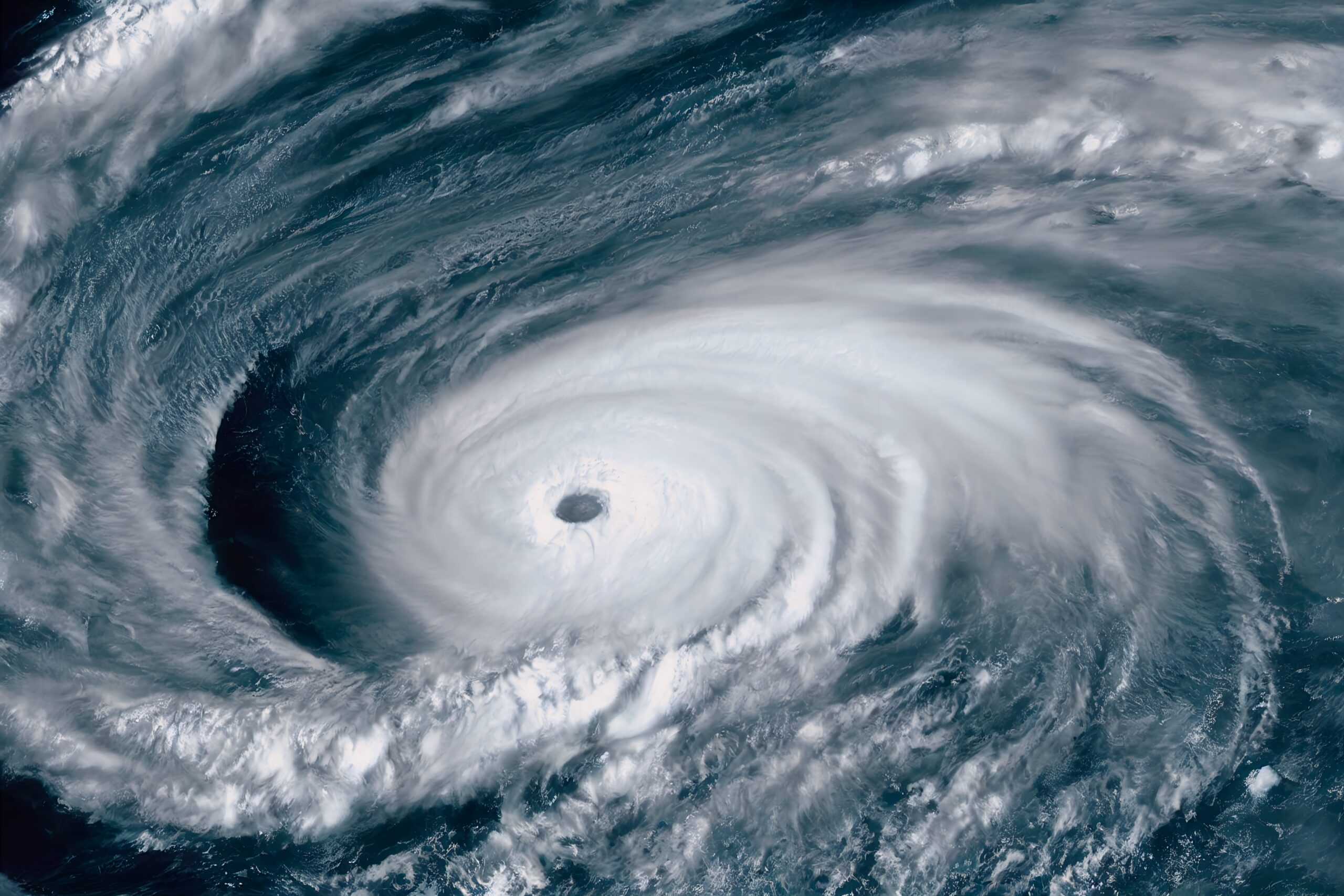
Hurricane Melissa struck eastern Cuba early Wednesday, making landfall near Chivirico in Santiago de Cuba with winds of 193 kph. The Category 3 storm forced the evacuation of more than 700,000 people and threatened to deepen the country’s worsening economic crisis.
President Miguel Díaz-Canel confirmed that over half a million residents had already been relocated to safety. “We know there will be significant damage,” he said in a televised address. “No one will be left behind, and no resources will be spared to protect lives.”
Forecasters warned that Melissa could cause a storm surge up to 3.6 meters and drop as much as 51 centimeters of rain across eastern Cuba. The storm is expected to cross the island by midday before moving toward the Bahamas later Wednesday. U.S. weather officials said the heavy rainfall could trigger deadly flooding and landslides.
Economic Strain Mounts as Cuba Faces Aftermath
Cuban authorities suspended classes from Guantánamo to Camagüey on Monday and urged residents to remain alert. President Díaz-Canel described Melissa as “the strongest storm ever to hit national territory” and called for unity in the face of crisis.
The hurricane’s impact threatens to intensify Cuba’s severe economic problems. The island already faces prolonged power outages, food shortages, and inflation. Recovery efforts will stretch the government’s limited resources, and officials expect widespread damage to infrastructure and agriculture.
Evacuation centers across Santiago de Cuba and Holguín are now housing thousands of displaced residents. Emergency teams are clearing debris while monitoring overflowing rivers and damaged power grids.
Jamaica and the Caribbean Reel from Melissa’s Destruction
While Cuba braces for recovery, Jamaica began assessing the storm’s destruction after Melissa tore through the island earlier this week. Deputy chairman of Jamaica’s Disaster Risk Management Council, Desmond McKenzie, reported extensive damage in Clarendon and St. Elizabeth, saying, “Entire areas are under water.”
The storm damaged four hospitals, cutting power to one and forcing the evacuation of 75 patients. More than 500,000 Jamaicans lost electricity, and officials reported widespread flooding, downed trees, and destroyed infrastructure.
The Jamaican government plans to reopen all airports by Thursday to speed up the delivery of emergency aid. Meanwhile, regional authorities confirmed at least seven storm-related deaths — three in Jamaica, three in Haiti, and one in the Dominican Republic — with another person still missing.
As Hurricane Melissa moves north toward the Bahamas, the Caribbean continues to confront its devastating trail of destruction and the growing human toll left behind.

