


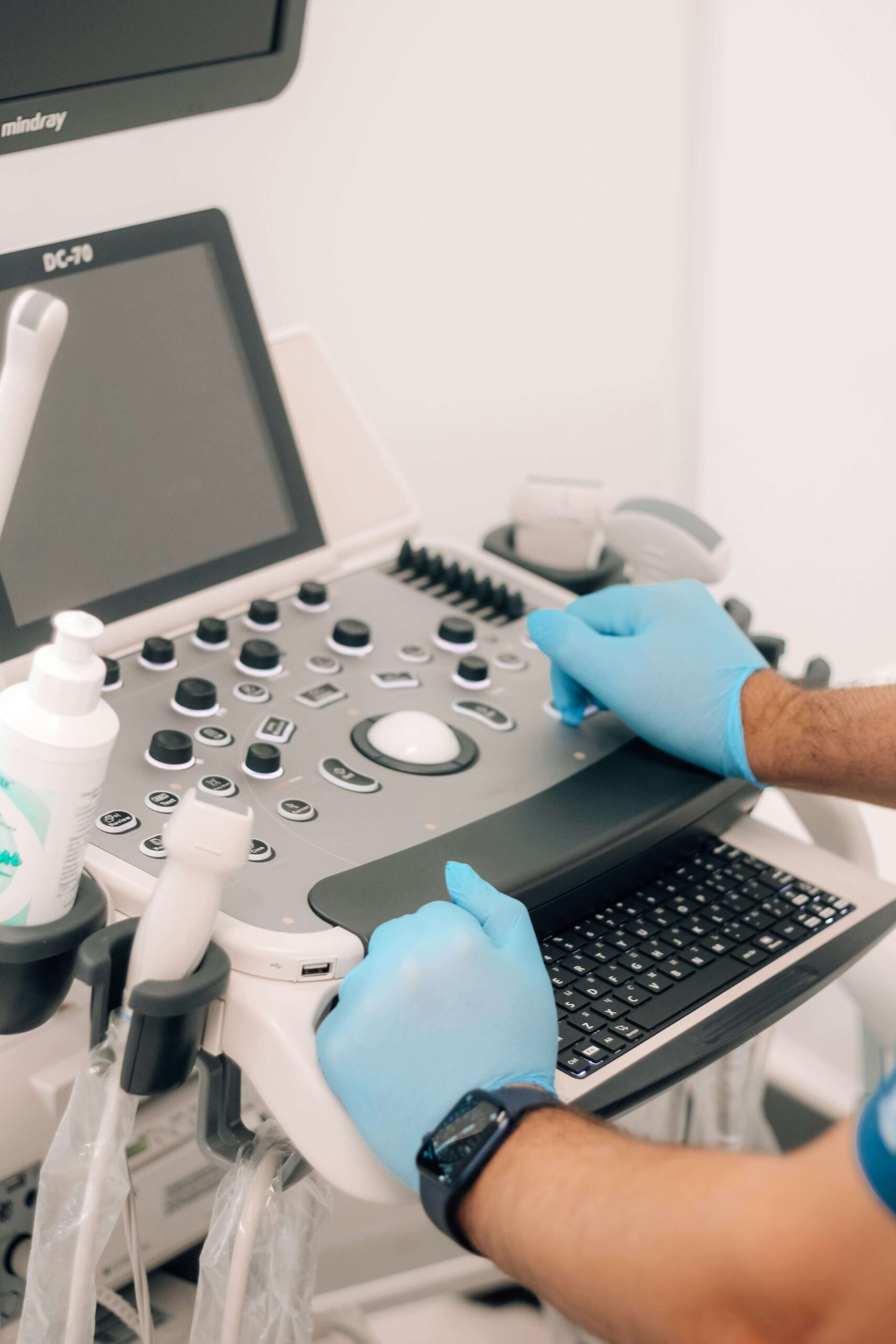
Prenatal ultrasounds are a cornerstone of pregnancy care, but studies show they can miss up to half of fetal abnormalities. A new AI-powered software, recently approved by the U.S. Food and Drug Administration (FDA), could help doctors catch problems earlier and improve outcomes for expecting families.
How the AI Enhances Ultrasounds
Developed by American start-up BioticsAI, the software works alongside existing ultrasound machines to analyze images in real-time. It evaluates image quality, suggests adjustments for better clarity, and scans to ensure every part of the fetus is visible. Using global data patterns, it identifies potential anomalies—such as heart or limb defects—and generates a detailed report for doctors to review immediately. Developers say it can save healthcare professionals around eight minutes per patient by reducing documentation time.
The Challenge of Detecting Birth Defects
Major congenital anomalies affect nearly 24 per 10,000 births across Europe. Research from Cochrane, analyzing over seven million pregnancies, found that a single early scan (11–14 weeks) detects just 38% of defects, while a mid-pregnancy scan (18–24 weeks) catches 51%. When both scans are combined, detection rises to 84%, leaving a significant gap that AI technology can help bridge.
AI Innovations Around the World
Europe is also embracing AI in prenatal care. French companies Diagnoly and Sonio Detect have developed AI tools approved for use in detecting fetal structures and heart issues automatically. With these technologies, AI is becoming an increasingly important partner in helping doctors ensure healthier pregnancies and giving parents more confidence in their baby’s development.

