


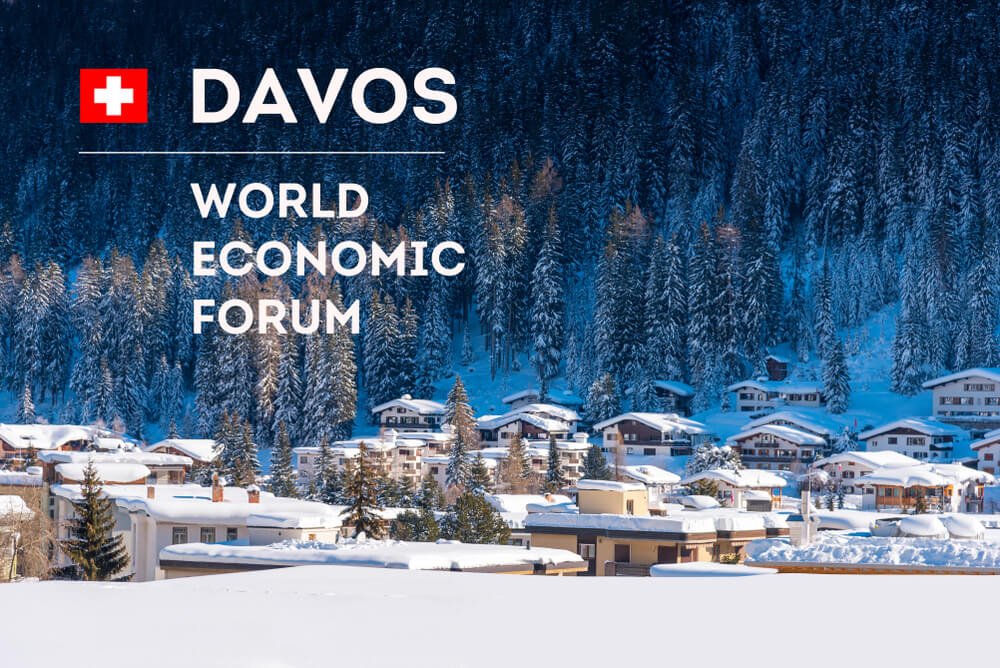
Economic Rivalries Pose Greatest Threat
The World Economic Forum (WEF) has named escalating economic clashes between major powers—through tariffs, sanctions, and trade restrictions—as the biggest threat to global stability in 2026. The finding comes from the WEF’s Global Risks Report, released just before its annual Davos meeting of business and political leaders.
Geoeconomic confrontation, as the report calls it, ranked higher than misinformation, societal polarization, extreme weather, and armed conflict. The report surveyed over 1,300 experts and leaders from business, government, academia, and civil society, and found that half of respondents expect the world to face turbulent conditions over the next two years—a sharp rise from 36% in 2025. Looking ahead to the next decade, the majority predict prolonged global instability.
Economic and Geopolitical Pressures Intensify
Geoeconomic confrontation topped the rankings for both likelihood and severity in the near term, with 18% of experts identifying it as the most probable trigger for a global crisis in 2026. Rising rivalries and long-running conflicts threaten supply chains, global markets, and international cooperation, the report warns.
The WEF highlights recent U.S. trade policies, including broad tariffs that have disrupted commerce and strained both business and consumer budgets. Economic risks such as downturns, inflation, mounting debt, and asset bubbles have all surged in the two-year outlook. On the geopolitical front, 68% of respondents anticipate a fragmented or multipolar world order over the next decade, signaling uncertainty in global leadership and alliances.
Technology, Society, and Environmental Challenges
Beyond economic and geopolitical tensions, the report also flags misinformation and cyber insecurity as top short-term risks. Long-term concerns focus on artificial intelligence, which climbed from 30th to fifth place in the decade outlook, reflecting worries about its social, economic, and security impacts. Societal polarization and inequality also remain significant threats, with inequality labeled the most interconnected risk for a second consecutive year.
Environmental risks dropped in the short-term ranking but dominate the long-term outlook. Extreme weather, biodiversity loss, and major changes to Earth’s systems rank as the most severe threats over the next decade, with three-quarters of experts expecting turbulent environmental conditions.
Saadia Zahidi, WEF Managing Director, emphasized the need for global cooperation: “The challenges highlighted—from geopolitical shocks to rapid technological change, climate instability, societal strife, and economic risks—show the scale of potential perils we face and our shared responsibility to shape what comes next.”

