


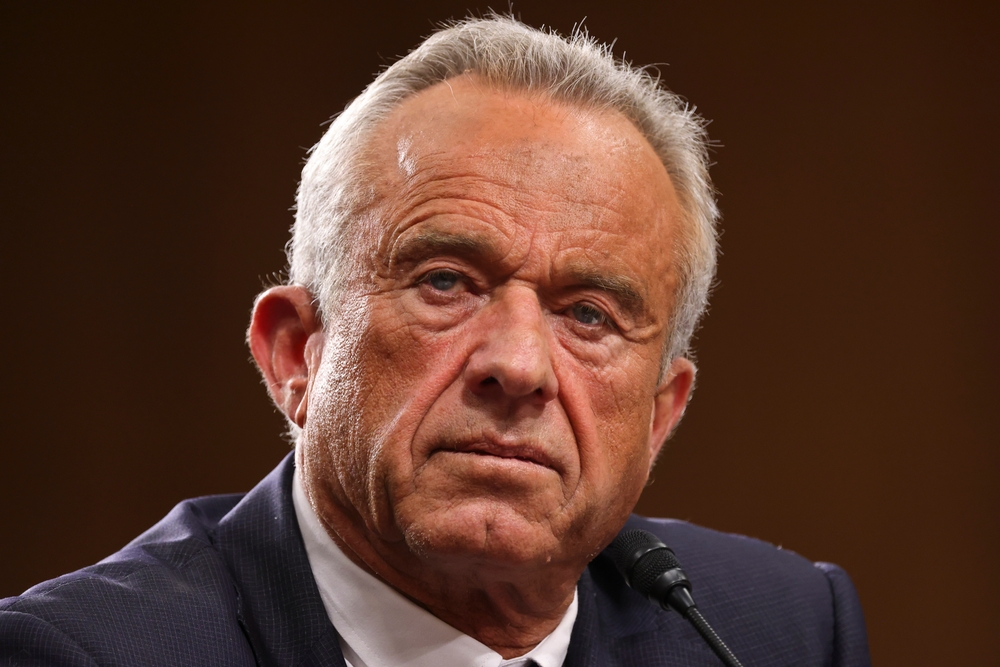
September 4, 2025 — Washington, D.C.
Robert F. Kennedy Jr., Secretary of Health and Human Services, faced a barrage of pointed questions Thursday in a Senate Finance Committee session. Senators scrutinized his stance on vaccines, his handling of leadership at the Centers for Disease Control and Prevention, and his long history of contentious remarks on health policy.
Immediate Confrontation
From the start, the atmosphere was charged. Committee Chair Ron Wyden (D-Ore.) condemned Kennedy’s repeated questioning of vaccines, warning that it endangered lives. Senator Elizabeth Warren (D-Mass.) demanded his resignation outright, labeling him a threat to the nation’s well-being.
Republican Senator Bill Cassidy of Louisiana, a physician, leveled accusations of his own. He said Kennedy’s actions had reduced vaccine availability, despite Kennedy once praising Operation Warp Speed. Cassidy pressed him to explain the apparent contradiction, warning it could leave the country unprepared for future emergencies.
Leadership Upheaval at the CDC
The committee spent significant time discussing the shake-up at the CDC. Kennedy had dismissed Director Susan Monarez and other senior officials had stepped down. He defended the shake-up as critical to restoring public trust, asserting the agency had lost credibility in recent years.
Democrats disagreed. Senator Raphael Warnock (D-Ga.) accused Kennedy of creating instability in the nation’s premier public health institution when stability was most needed.
Vaccine Disputes Resurface
Kennedy reiterated his doubts about vaccine safety, while conceding that immunization programs have saved “a substantial number” of lives. He also suggested mRNA vaccines might be connected to sudden deaths among young people. Public health experts quickly rejected that claim, pointing out there is no scientific evidence to support it.
Divided Reactions and Ongoing Doubts
Democrats presented a united front in condemning Kennedy’s approach, while Republicans offered a mixed response. Although some voiced concerns, few joined in calls for his resignation. The bipartisan nature of the criticisms highlighted the precarious position Kennedy holds as a member of President Trump’s cabinet.
The session concluded without concrete outcomes but signaled that further investigations are likely. As senators departed, one central issue remained unresolved: whether Kennedy can effectively lead the country’s health agencies in the face of mounting skepticism from lawmakers and the medical community.

