


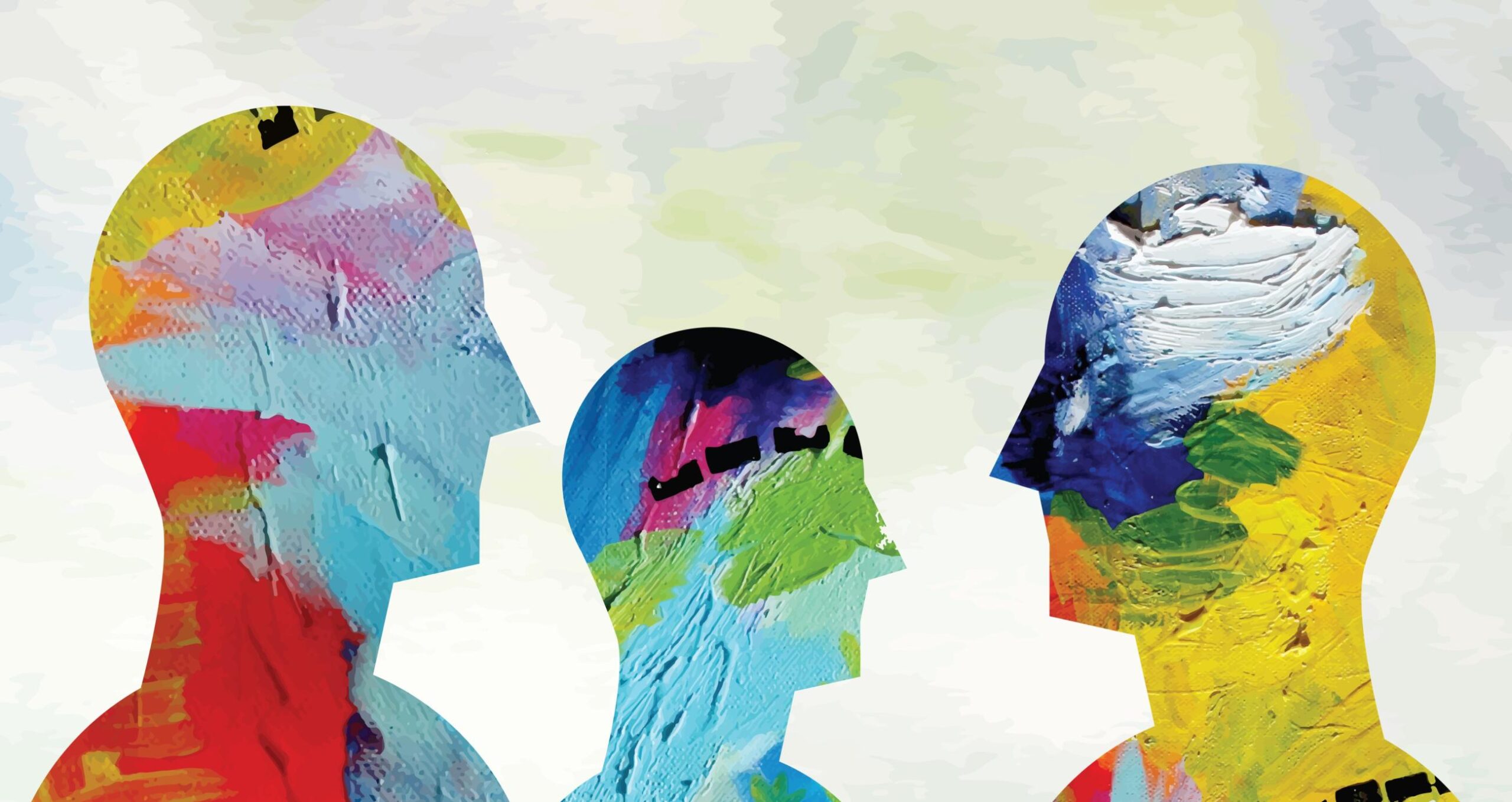
Arts programs are making a measurable impact on health and community well-being across the United States. A recent report highlights how state arts agencies collaborate with health and social organizations to achieve positive social outcomes.
The findings show that arts participation can improve physical and mental health. Programs that combine creative activities with health initiatives help reduce stress, enhance emotional well-being, and encourage social interaction. Activities such as music therapy, visual arts, and community theater create spaces for expression, connection, and support.
Partnerships between arts agencies and local health sectors are expanding access to these benefits. By working together, organizations can reach diverse populations, including older adults, underserved communities, and individuals facing health challenges. These collaborations allow arts programs to address social needs while promoting creativity and engagement.
Arts involvement also strengthens community ties. Local projects, cultural festivals, and collaborative workshops provide opportunities for residents to connect and interact. This fosters social cohesion, trust, and a sense of belonging, which are essential for resilient communities.
The report emphasizes that arts programs go beyond entertainment. They serve as tools for education, emotional support, and social inclusion. Participants often develop new skills, form lasting relationships, and gain confidence through creative engagement, contributing to overall community well-being.
Research shows that even small-scale arts initiatives can produce meaningful outcomes. Simple activities like neighborhood mural projects or group music sessions can improve mental health, encourage teamwork, and bring people together. These efforts highlight the power of arts to generate positive social change.
Experts note that cultural programs play a critical role in promoting inclusive participation. By offering accessible opportunities, communities ensure that everyone can benefit from creative experiences. This inclusivity enhances social equity and strengthens the bonds that hold communities together.
Arts programs also complement broader public health goals. By integrating creative activities into healthcare settings, schools, and community centers, participants can experience improved mood, reduced anxiety, and greater social support. The arts provide a practical approach to enhancing both individual and collective well-being.
The report encourages continued investment in arts initiatives and partnerships. By supporting creative programs, communities can leverage the arts to improve health outcomes, foster social cohesion, and enrich cultural life. Policymakers, local organizations, and cultural institutions are urged to prioritize collaborations that produce measurable benefits for society.
Arts programs demonstrate that creativity and community engagement are powerful tools for improving quality of life. By connecting health and social services with cultural initiatives, the arts contribute to healthier, more connected, and resilient communities across the country.

