


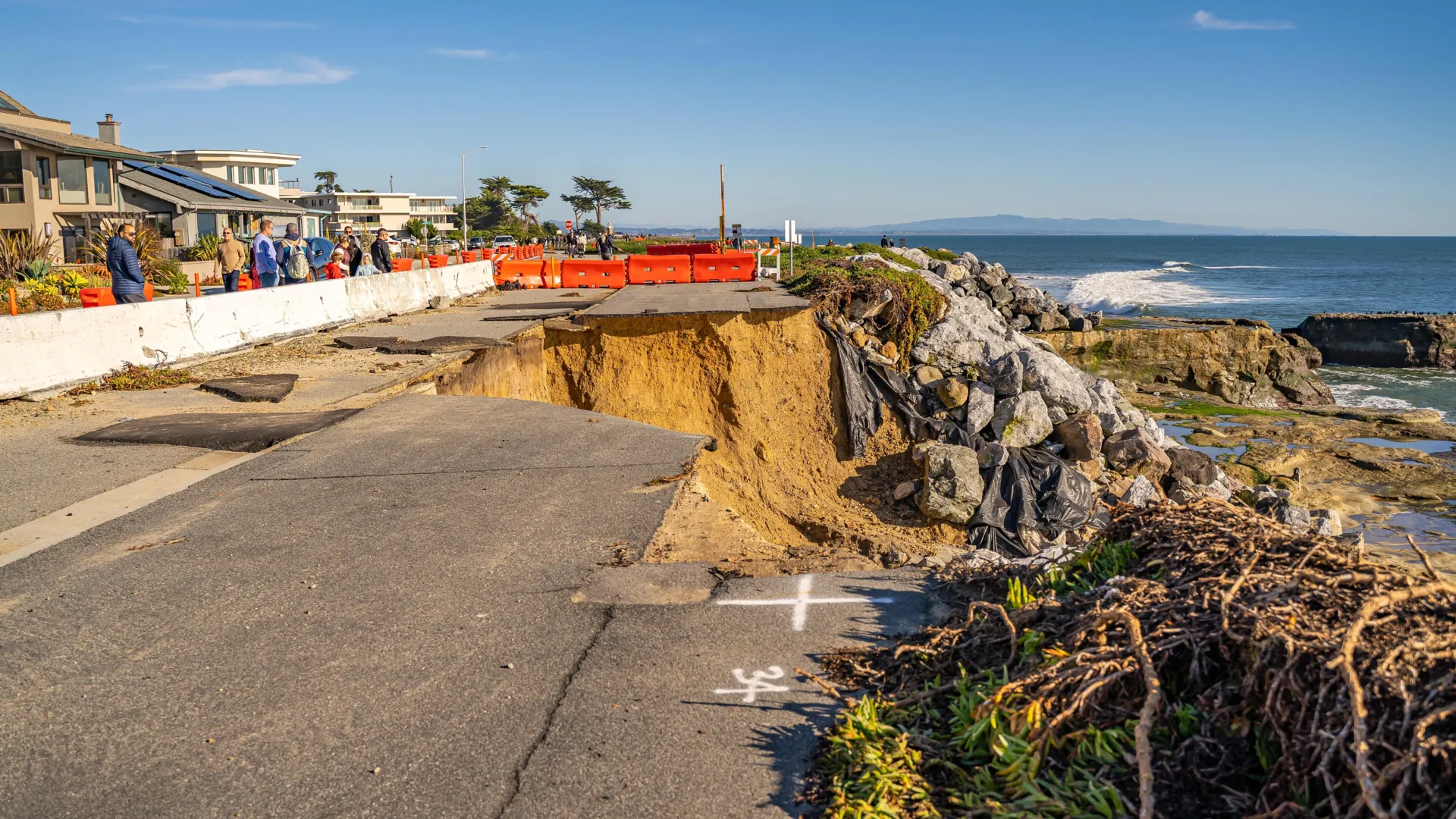
A new scientific study has raised concern about a growing West Coast Earthquake Threat in North America. Researchers now believe two major fault systems may be linked more closely than once thought.
The study focuses on the Cascadia subduction zone and the San Andreas Fault. These two fault lines run along the western edge of the continent. Scientists say movement in one may trigger activity in the other.
The research was led by Chris Goldfinger from Oregon State University. He said the risk may be higher than many expect. Instead of one large quake, there could be two major events happening close together.
To study the past, scientists examined sediment cores taken from the ocean floor. These cores hold about 3,100 years of history. They contain layers formed by underwater landslides, known as turbidites, which often follow earthquakes. By comparing these layers from different areas, the team found matching patterns. These similarities suggest that earthquakes along the Cascadia zone and the northern part of the San Andreas Fault may be connected.
The exact timing is hard to confirm. However, researchers found three cases in the past 1,500 years where events may have happened within minutes or hours of each other. One such event dates back to the year 1700. This raises concern that future quakes may also occur in quick succession.
This finding adds a new level of concern to the West Coast Earthquake Threat. A single major quake already puts heavy pressure on emergency services. Two events happening close together could stretch resources even further. Cities like San Francisco, Portland, Seattle, and Vancouver could all face emergencies at the same time. This would make rescue and recovery efforts more difficult.
Scientists have long discussed the idea that faults could interact, but clear evidence has been limited. One known example comes from Indonesia, where two large earthquakes struck months apart in 2004 and 2005. The new study provides stronger signs that such linked events may also occur along North America’s West Coast.
The research also highlights a key moment from 1999. During a sea expedition, scientists moved into a new area near Cape Mendocino in California by accident. This region sits close to where the two fault systems meet. Instead of ignoring the location, the team collected samples, which later proved important.
Normally, sediment layers follow a simple pattern. Heavy material settles at the bottom, while finer material sits on top. In this case, the pattern was reversed. Scientists found coarse sand above finer sediment, which suggested two separate events.
The lower layer likely formed during a major Cascadia earthquake. The upper layer appears to have formed after a San Andreas event soon after. Researchers call these unusual layers “doublets.” They used radiocarbon dating to confirm their findings. The results support the idea that the earthquakes happened close together, not as unrelated events.
These findings show a need for stronger disaster planning. If both faults move together, the impact could be much greater than expected. Emergency systems may need to prepare for multiple events at once. This includes better response plans, stronger infrastructure, and improved public awareness.
Experts say more research is still needed to fully understand how these faults interact. The West Coast Earthquake Threat is not new, but this study shows it may be more complex than once believed. The possibility of linked earthquakes increases the risk and highlights the need for careful planning.
Scientists continue to study these fault systems to better predict future events. Their goal is to improve safety and reduce damage. Better knowledge can help protect millions of people living along the West Coast.

