


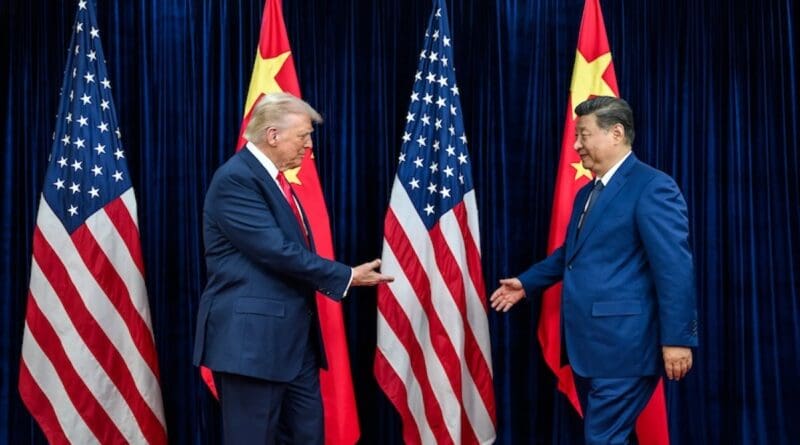
US President Donald Trump and Chinese President Xi Jinping are set to meet in Beijing on May 14–15. The meeting is expected to focus on trade and economic issues. But growing pressure is pushing another topic to the table. That is the issue of Trump China prisoners release as part of wider negotiations.
Supporters of this idea say the US should not focus only on trade. They argue that human rights must also be part of the talks. They want Trump to raise the release of political prisoners in China during the summit. This includes high-profile cases that have drawn global attention.
One of the most discussed cases is Jimmy Lai. He is a media owner from Hong Kong and a well-known pro-democracy figure. He is currently in prison under national security laws. His case has become a symbol of political repression in Hong Kong.
Another key case is Gulshan Abbas. She is a Uyghur doctor who has been detained for years. Her family members live in the United States. They have repeatedly called for her release. Rights groups say her detention is part of a wider crackdown on Uyghurs in China.
A third case is Pastor Ezra Jin Mingri. He was detained along with other church leaders in a large crackdown on unregistered churches. His supporters say he has health problems and limited medical care in detention.
These cases are being discussed in Washington. Members of Congress from both parties have sent letters to the White House. They are urging Trump to raise these names during talks with Xi. The US Senate has also passed resolutions calling for action on political prisoners.
Lawmakers say there is strong political support for the Trump China prisoners release issue. They argue it should be a core part of US-China diplomacy. They also say it reflects American values and human rights priorities.
The timing of the summit is seen as important. US officials believe China is under pressure after recent trade tensions. One example is a dispute over rare earth exports. Beijing had threatened limits but later stepped back. Some US analysts see this as a sign of weak negotiation leverage from China.
Supporters of the prisoner release demand say this creates an opportunity. They argue the US can use economic talks to push for humanitarian results. They suggest linking trade benefits to progress on human rights cases.
Possible tools include sanctions, visa restrictions, tariffs, and even prisoner exchanges. US officials already use some of these measures in other human rights cases. Advocates say they should be applied more strongly in China talks.
The Trump China prisoners release debate also includes broader arguments about US foreign policy. Supporters say freeing prisoners reduces human suffering. It also helps reunite families, including American citizens separated from detained relatives.
They also argue that it shows US strength on the global stage. They believe it sends a message that human rights are part of diplomacy, not separate from it. Critics, however, warn that it could complicate trade talks.
Congressional allies are also calling for more action beyond the summit. They want regular updates from the administration. They also want hearings, public statements, and direct diplomatic pressure on China.
Some proposals include creating a special office focused on political prisoners. This office would coordinate across government departments. It would also work with international partners and human rights groups.
Advocates say allies like the United Kingdom, Australia, and Japan could help increase pressure. Religious groups and international organizations are also being encouraged to join efforts.
As the Trump-Xi meeting approaches, the issue is gaining more attention. Trade and security will remain key topics. But the Trump China prisoners release issue is now part of the wider discussion shaping US-China relations.

