


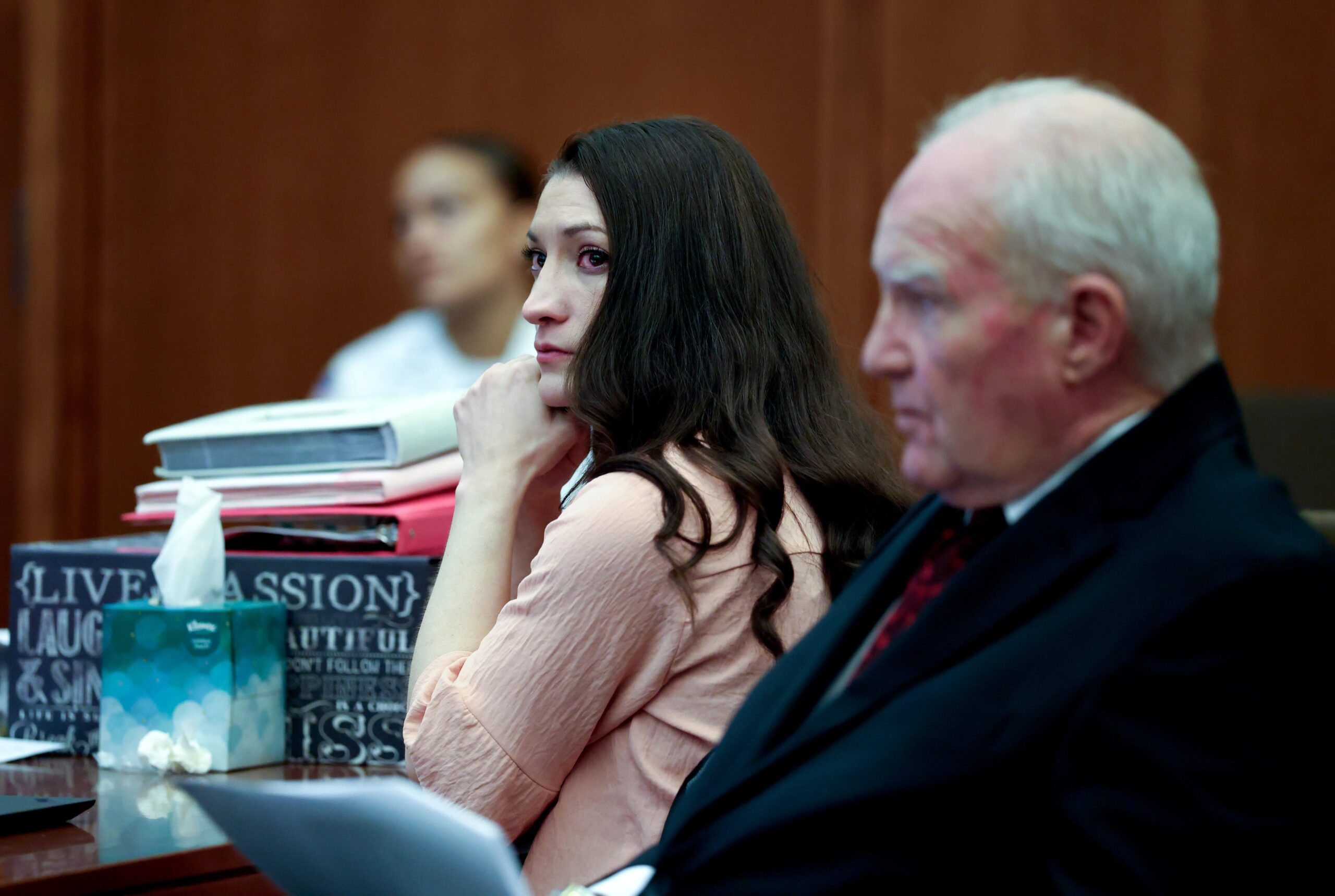
The Lindsay Clancy Trial is entering its final phase as jurors prepare to hear closing arguments in a case that has sparked debate across the United States. The Massachusetts mother is accused of killing her three children, and the upcoming verdict could become one of the most closely watched decisions involving postpartum mental illness in recent years.
Clancy has pleaded not guilty to the charges. Her legal team argues that she was suffering from postpartum psychosis when the deaths occurred in January 2023. According to the defense, her mental condition left her unable to understand the nature of her actions or control her behavior.
The prosecution disagrees and has spent the trial challenging that claim.
As the courtroom proceedings move toward a conclusion, the public remains divided. Demonstrators supporting different viewpoints have gathered outside the courthouse, reflecting the strong emotions surrounding the case.
Some believe the deaths of the children should remain the main focus and that Clancy should be held legally responsible. Others believe the case highlights serious concerns about mental health treatment and whether enough was done to help a struggling mother before tragedy struck.
The debate has become larger than the legal case itself.
Among those speaking out is Harlow Glenn, who has criticized the support shown for Clancy. Glenn believes the facts of the case are clear and has questioned why some people continue to view Clancy as a victim.
She also expressed concern about how postpartum depression and postpartum psychosis are being discussed in public. Glenn said it is important to remember that many women experience postpartum depression without becoming violent.
Her comments reflect concerns shared by some parents and community members who fear that confusion about mental health conditions could affect public understanding of the case.
Others have taken a different view.
Mary Petitto said the deaths of the children are heartbreaking and cannot be excused. However, she believes the case raises important questions about how healthcare systems respond to severe mental health issues.
Petitto argued that Clancy appeared to be seeking medical help before the tragedy. She believes there may have been warning signs that did not result in stronger intervention or additional support.
According to Petitto, examining those questions is necessary if society hopes to prevent similar incidents in the future. She said discussions about mental health should focus not only on what happened but also on whether more could have been done before the crisis occurred.
A major part of the trial has focused on Clancy’s medical history and mental condition during the weeks before the deaths.
Both sides have presented evidence related to prescription medications, treatment plans, and psychiatric evaluations. The central question is whether Clancy was experiencing postpartum psychosis and whether that condition affected her ability to understand her actions.
The defense has argued that Clancy reported hearing a male voice directing her to kill her children. Her attorneys say these reported hallucinations are evidence of a severe psychiatric disorder.
The prosecution has challenged those claims through expert testimony.
Forensic psychiatrist Gregory Saathoff testified that several details described by Clancy were not consistent with patterns commonly seen in psychotic disorders. He also pointed to differences in her accounts regarding when the voice first appeared and what instructions it gave.
Prosecutors argue that these inconsistencies weaken the defense claim that postpartum psychosis was responsible for the killings.
The jury will now be responsible for reviewing weeks of testimony and evidence. Jurors must decide whether the defense has shown that Clancy was suffering from a mental condition severe enough to remove criminal responsibility.
The verdict could have effects beyond the courtroom. Mental health advocates, medical professionals, and legal experts are closely following the case because it touches on issues that continue to challenge both healthcare and criminal justice systems.
The Lindsay Clancy Trial has become a national discussion about mental illness, treatment, accountability, and prevention. While the jury will determine the legal outcome, many believe the questions raised during the trial will continue to be debated long after a verdict is reached.
For many families, healthcare providers, and advocates, the case serves as a reminder of the importance of recognizing serious mental health symptoms and ensuring that people in crisis receive timely support and care.

