


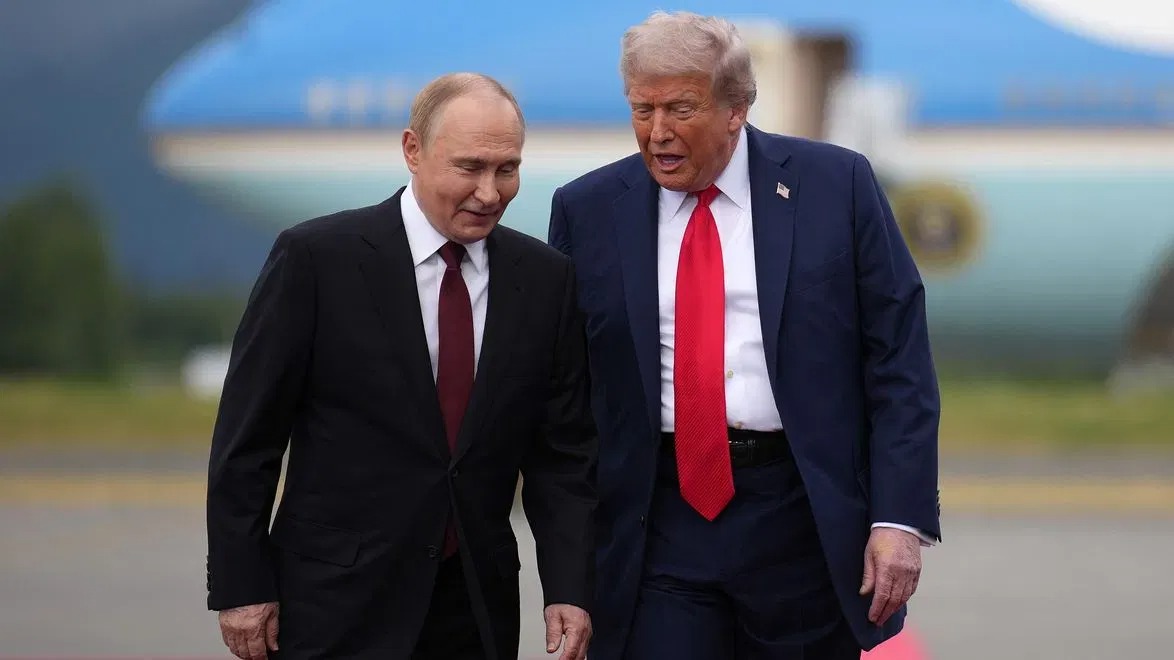
President Donald Trump said Russia will send more diesel fuel to global markets after a phone call with Russian President Vladimir Putin. Trump hopes the move will help ease energy costs before the US midterm elections. However, market experts doubt the deal will lead to a major drop in fuel prices.
Trump said Putin agreed to release more than 300,000 tons of diesel at once. Russia is also set to send another 500,000 tons in November. The two shipments would total about six million barrels of diesel fuel.
That amount would cover US demand for roughly one and a half days, based on data from the US Energy Information Administration. Trump said Russia could send millions of tons more in the coming months. He added that future supplies would depend on the condition of Russian diesel refineries.
Energy experts said the planned shipments could offer some help. Yet they warned that the extra fuel would not be enough to change the global market in a major way.
Dan Pickering, founder and chief investment officer at Pickering Energy Partners, said the deal might raise global diesel supply by 5% to 6% between now and the end of the year.
Pickering said the extra supply could help ease pressure on the market. Still, he did not expect it to bring a major shift in prices. He also noted that the amounts were announced in tons rather than barrels, which can make the figures appear larger to the public.
Russian Fuel Exports Face Fresh Pressure
Russia banned diesel exports in early July after Ukrainian drone strikes hit several refineries. The attacks caused fuel shortages across the country and reduced the amount of diesel available to global buyers.
The ban removed about 800,000 barrels of diesel per day from the world market. This happened when fuel supplies were already tight due to the US war against Iran. Russia extended the export ban last month, adding further pressure to energy costs.
The new agreement could return some Russian diesel to the market. However, traders and analysts have questioned whether Moscow can deliver the promised volumes. Damage to refineries and limits on production could affect the timing and size of future shipments.
According to a Kremlin statement, Putin told Trump that Russia was ready to supply oil and petroleum products to the United States and other global markets.
Putin said he believed the move would have a positive effect on the world economy. Trump also welcomed the announcement at the White House on Friday. He said oil prices were falling sharply and described the expected supplies as good news.
Diesel futures fell by about 4% by the close of trading on Friday. However, the decline alone does not prove that the Russian deal caused the price move.
Ukraine Warns of More Money for War
The announcement drew anger from Ukraine, which has called for stronger limits on Russian energy exports. Kyiv argues that money from oil and gas sales helps Moscow fund its war.
Ukraine has also increased attacks on Russian oil sites in recent months. The country has continued these operations despite calls from Trump to stop them. This week, Kyiv claimed strikes on four Russian refineries.
Ukrainian President Volodymyr Zelensky criticized the plan to allow more Russian diesel exports. He called it a weak decision by powerful partners.
Zelensky said the extra sales would bring more money to Russia. He warned that the funds could support the war and lead to more suffering in Ukraine.
His comments came as Russian attacks on Ukrainian cities continued. Ukraine has faced a serious shortage of air defense missiles, making it harder to stop repeated aerial strikes.
On Thursday, a Russian strike on a bus stop in eastern Ukraine killed more than 30 people, according to the report. The attack added to growing concerns about the safety of civilians.
US Ukraine Talks Face a Difficult Moment
Zelensky also raised concerns about the timing of Trump’s announcement. A senior Ukrainian team had arrived in Miami for talks with US envoy Steve Witkoff and Trump’s son-in-law Jared Kushner.
The meetings took place as Trump spoke with Putin about energy supplies. Zelensky said the timing made the decision more painful for Kyiv, which was seeking support from Washington.
He pointed to the contrast between the Ukrainian team’s talks with US officials and the phone call between Trump and the Russian leader.
The deal now faces questions about supply and its effect on prices. Russia must show that it can deliver the promised fuel despite pressure on its refineries. Buyers will also need to see whether the extra supply can ease costs.
For Trump, lower energy prices are a key concern ahead of the midterm elections. For Ukraine, the plan raises fears that new Russian export income could help Moscow continue the war. Experts expect the deal to offer some support to fuel markets, but its overall effect remains uncertain.

