


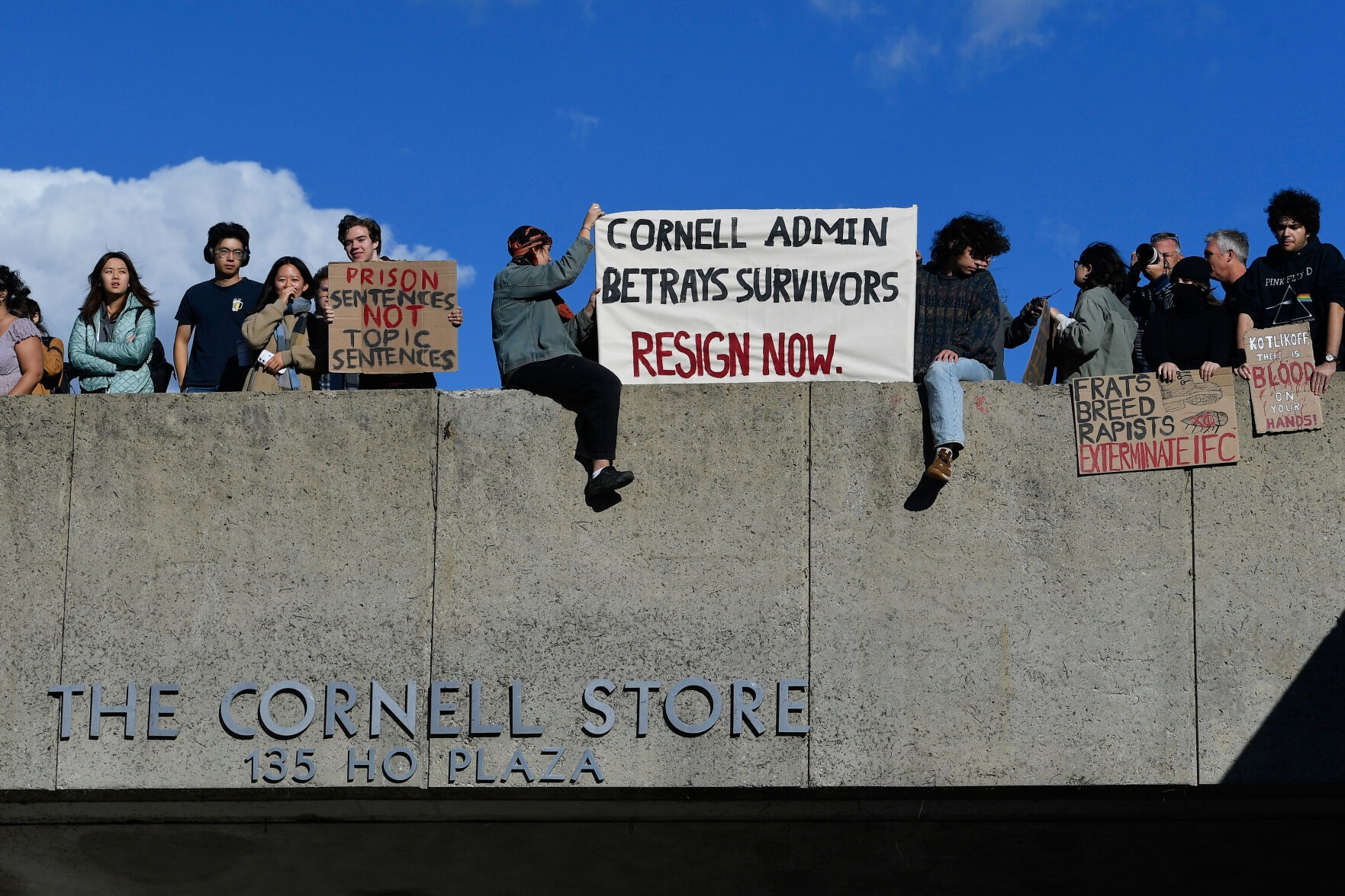
Cornell University has banned fraternity parties until 2027 after a sexual assault case sparked public anger. The university will also ask New York State Police to help investigate reports of sexual assault on campus.
Cornell President Michael Kotlikoff announced the new rules on Tuesday. They include a ban on parties and social events at Interfraternity Council houses through the end of the 2026-27 school year.
The university also plans to enforce a new zero-tolerance policy. Fraternity chapters that break the rules will face immediate suspension.
Kotlikoff said the steps would allow the school to review fraternity life. The review will examine whether these groups can continue to hold events in a safe way.
Cornell has more than 20 active fraternities under its Interfraternity Council. The council had not replied to a request for comment by Tuesday. The university has not made clear whether the ban also covers parties held off campus.
The new rules follow protests over Cornell’s handling of a 2024 gang rape allegation. A woman says she was drugged and sexually assaulted by several fraternity members after a party at the Chi Phi house in October 2024.
The case has drawn fresh attention to campus safety and the way colleges handle reports of sexual abuse. It has also raised questions about the role of campus police in serious criminal cases.
Cornell has faced similar concerns in the past. In 2022, the school paused fraternity parties after reports of sexual assault and claims that students had been drugged at fraternity-linked housing.
The university also tightened its safety rules in 2019. That move came after freshman Antonio Tsialas was found dead in a gorge following an alleged hazing event. In 2018, a fraternity faced probation over a contest in which members competed to have sex with women they viewed as overweight.
Cornell now says it will seek ideas for safer ways for students to meet and spend time together. The school plans to use university resources to support social events outside the usual Greek life party scene.
Kotlikoff also announced plans to add a case manager to the university’s Office of Civil Rights. The new staff member will help people who report sexual misconduct understand the process and find support.
The university will also work with New York State Police. The aim is to allow state criminal investigators, who work outside Cornell, to examine assault claims.
Campus crimes are usually investigated by Cornell police. The department has full law enforcement powers but remains under the control of the university. Its officers work apart from local police in Ithaca, where Cornell is based.
Cornell police investigated the 2024 allegations. They shared their first findings with the Tompkins County district attorney. The district attorney declined to bring charges within weeks of the woman’s first report to police.
The decision drew public criticism. New York’s governor removed the district attorney from the case this month after the outcry over the lack of charges.
New York Attorney General Letitia James is now leading the investigation. Cornell has also hired former Deputy U.S. Attorney General Sally Yates to carry out an independent review of the school’s response.
In a lawsuit filed in September, the woman said several fraternity members assaulted her after she attended the Chi Phi party. She claims she was pressured to take drugs and became unable to protect herself.
She also alleges that other men entered the room while she was unable to act. In addition, she says fraternity members shared Snapchat messages that described her as open to sexual contact with anyone at the house. She says this happened without her knowledge.
Cornell closed the fraternity chapter and disciplined several students after its own review. However, no criminal charges have been filed in the case.
The seven men named in the woman’s lawsuit have denied the claims. Some say the sexual activity was consensual, while others say they were not involved.
A lawyer for one of the men, Andrew Miltenberg, criticized the new restrictions. He argued that the university was placing too much blame on fraternities for problems that can affect the wider campus.
Miltenberg said colleges often support Greek life but distance themselves from it when trouble arises. He warned that students could move their parties off campus, where oversight may be weaker.
He said moving a party to another place would not change the conduct itself.
The university’s review and the state investigation may help clarify how Cornell handled the case. For now, the party ban marks a major change in fraternity life as the school faces growing demands for stronger campus safety measures.

