


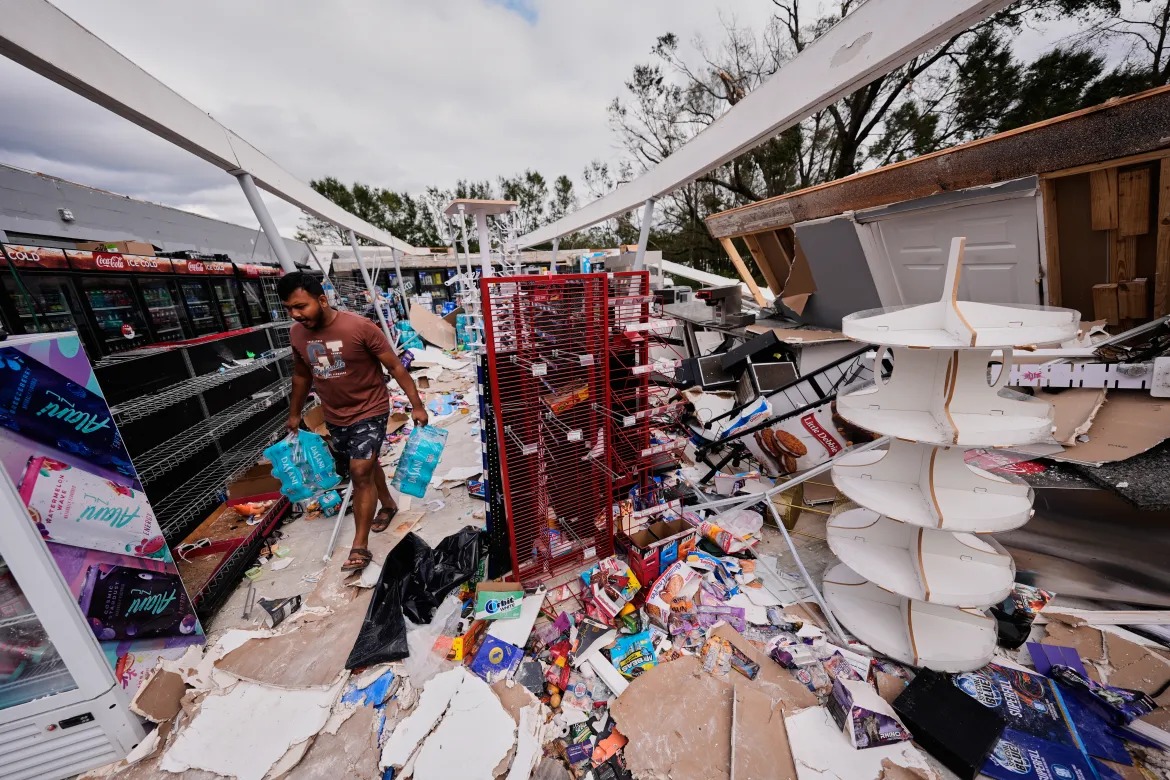
Residents across the southeastern United States are cleaning up after Hurricane Isaias struck Florida’s Gulf Coast on Friday. The storm caused major damage, power cuts and water problems across parts of Florida and Alabama.
By Sunday afternoon, about 356,000 customers remained without electricity in southern Alabama and northwestern Florida. The outage figure came from an independent power outage tracking service. At the height of the storm, nearly 800,000 homes and businesses lost power across the Gulf Coast.
Utility crews have been working to restore electricity. Florida Power and Light spokesperson Sarah Gatewood said workers from across Florida and more than two dozen other states had joined the recovery effort.
At least four deaths have been linked to the storm, which reached land as a Category 2 hurricane. The storm later moved north into Alabama, bringing strong winds before weakening into a post-tropical cyclone.
Although Isaias has lost strength, the danger has not ended. Officials warned that heavy rain could still cause flash floods across parts of the mid-Atlantic region. Flooding, fallen trees and damaged power lines remain serious risks for residents.
The storm’s strong winds caused widespread damage in Florida and Alabama. In Pensacola, a coastal city in the Florida Panhandle, the roof of the Rest and Relax Inn was torn away. A boathouse in Destin was also flattened by the storm.
Pensacola has faced some of the hardest challenges during the recovery. Power systems were damaged, buildings suffered structural harm and residents struggled to access basic services.
On Saturday morning, hundreds of cars lined the streets near a distribution site run by the United Cajun Navy, a volunteer disaster relief group. The site provided help as people sought supplies after the storm.
Drinking water has become another major concern. Pensacola Mayor DC Reeves warned that the storm had affected drinking wells and parts of the city’s water system. Residents were advised to boil tap water before using it.
Reeves said local teams were continuing their response work as the city entered another day of recovery. Their main goals included protecting public safety, clearing debris and restoring key services.
The storm also forced Pensacola International Airport to close for an unknown period. The airport, one of Florida’s major airfields, suffered serious damage that prevented normal operations.
The closure could affect travellers and local transport as crews assess the damage and work to make the airport safe. Officials have not provided a firm date for its reopening in the information available.
In Alabama, fallen trees and power lines have made roads dangerous. Houston County has faced particular concerns because of the risk of flash flooding.
State emergency officials said all roads in the county were closed until further notice because of the storm’s impact. The closures were intended to protect drivers from dangerous conditions and allow emergency teams to respond.
Residents in affected areas have been urged to follow official safety advice and avoid flooded roads. Water can cover damaged surfaces and hide hazards, while fallen power lines can pose a serious risk even when they appear inactive.
The storm’s movement north has also raised concerns beyond the areas where it first made landfall. Heavy rainfall can continue to cause flooding after a hurricane weakens, especially where the ground is already saturated or drainage systems are damaged.
Recovery crews face several tasks at once. They must restore electricity, clear roads, check public buildings and repair water systems. These efforts may take time in places where damage is widespread.
For many residents, the immediate focus remains on finding supplies, checking homes and waiting for essential services to return. Officials continue to monitor weather conditions as communities begin the long process of recovery.
Hurricane Isaias has weakened, but its effects are still being felt across the Gulf Coast. Power restoration, safe drinking water and road access remain key priorities as residents and emergency workers respond to the damage.

