


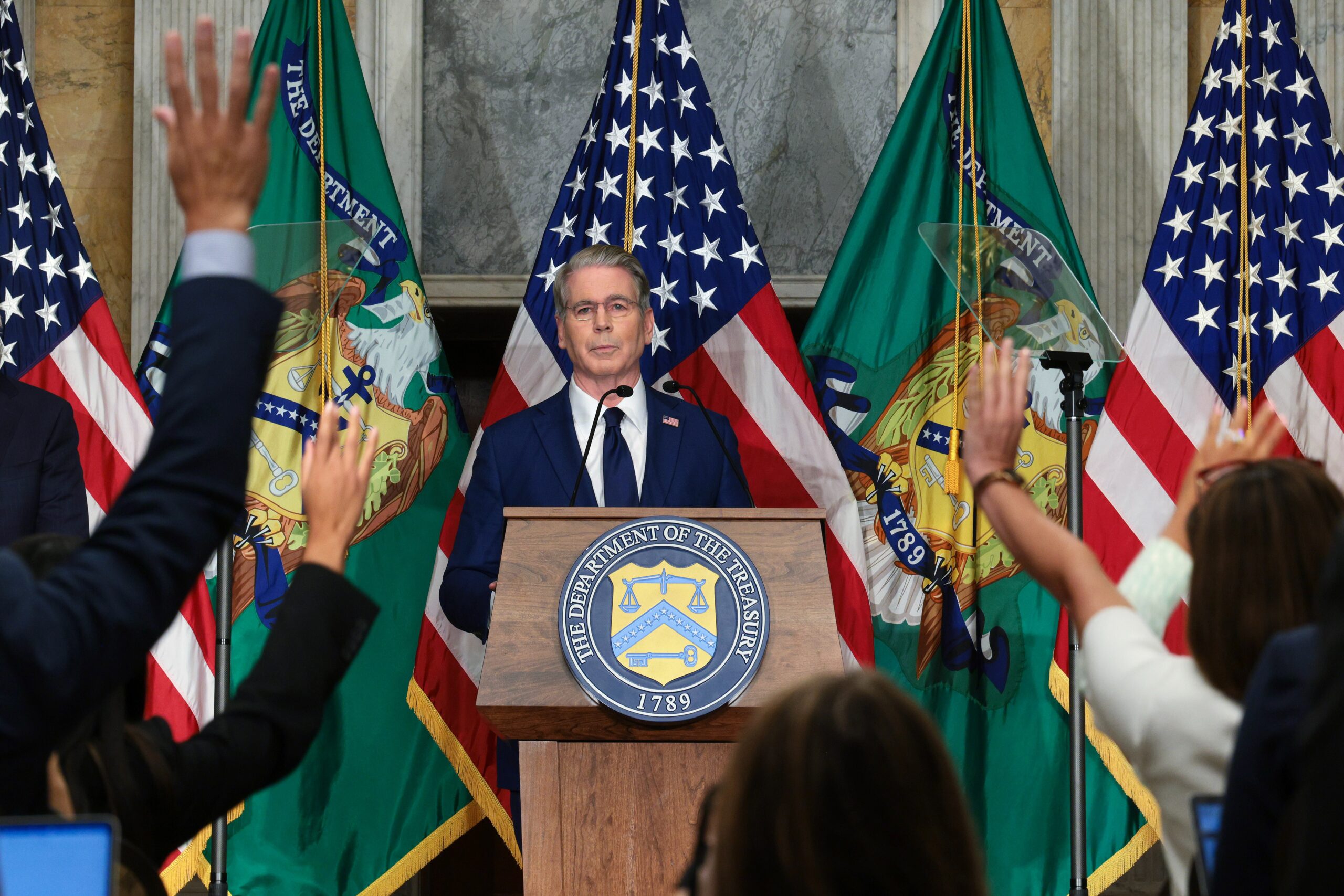
Treasury Secretary Scott Bessent has announced a new US campaign to put more economic pressure on Iran.
The plan aims to isolate the Iranian regime and cut off key sources of money. It also sends a warning to countries and companies that continue to do business with Tehran.
Bessent announced the campaign Monday in Washington. He said the US will target people and groups that help Iran keep its economy running.
The Treasury secretary said there should be no doubt about the US position. He warned that any form of economic support for the Iranian government could bring strong action from Washington.
The new effort is aimed at Iran’s economic network. The US wants to make it harder for Tehran to move money, trade with foreign partners and use outside firms to support its activities.
Bessent said the Trump administration will use its economic power against those who help the Iranian regime. The message is aimed not only at Iranian groups but also at foreign businesses and other partners.
The campaign comes as the Trump administration seeks to increase pressure on Tehran. Economic sanctions have long been a key part of US policy toward Iran.
Washington has used sanctions to restrict Iran’s access to global markets. The measures have focused on banks, energy firms, shipping groups and other parts of the Iranian economy.
The new campaign could expand that pressure. It may also raise risks for foreign companies that have links to Iran.
For businesses, the warning is clear. Firms that continue to work with sanctioned Iranian groups could face US action. That could limit their access to the US financial system and global markets.
The US financial system plays a major role in global trade. Many firms depend on US banks and dollar payments. Losing access to that system can create serious problems for companies.
The administration wants to use that power to reduce Iran’s economic options. The goal is to make it harder for Tehran to find new buyers, banks and business partners.
Iran has faced years of US sanctions. Those measures have hurt parts of its economy but have not ended its trade with the outside world.
Iran still has links with foreign buyers and businesses. It also has ways to move goods and money through complex trade networks.
That makes enforcement a key part of the new US campaign. Washington will need to find firms and people that help Iran avoid restrictions.
The Treasury Department has a major role in that work. It can add companies and individuals to sanctions lists and restrict their access to US financial networks.
The new push may also put pressure on countries that keep trade ties with Iran. Those governments could face a choice between working with Tehran and protecting their own economic links with the United States.
Bessent’s warning suggests the Trump administration wants those countries to think carefully before doing business with Iran.
The campaign also shows the importance of economic tools in US foreign policy. Instead of relying only on diplomatic talks, Washington is seeking to use trade and finance to pressure Tehran.
The impact of the new measures will depend on how widely they are enforced. It will also depend on how foreign governments and companies respond.
If major firms reduce their Iran ties, Tehran could face more pressure. But if businesses find new ways to trade with Iran, the effect could be more limited.
For now, the Treasury secretary has sent a strong message. The Trump administration wants to reduce Iran’s access to global money and trade.
The new campaign could bring more sanctions and enforcement actions in the weeks ahead. It also puts companies doing business with Tehran on notice that they may face greater US scrutiny.

