


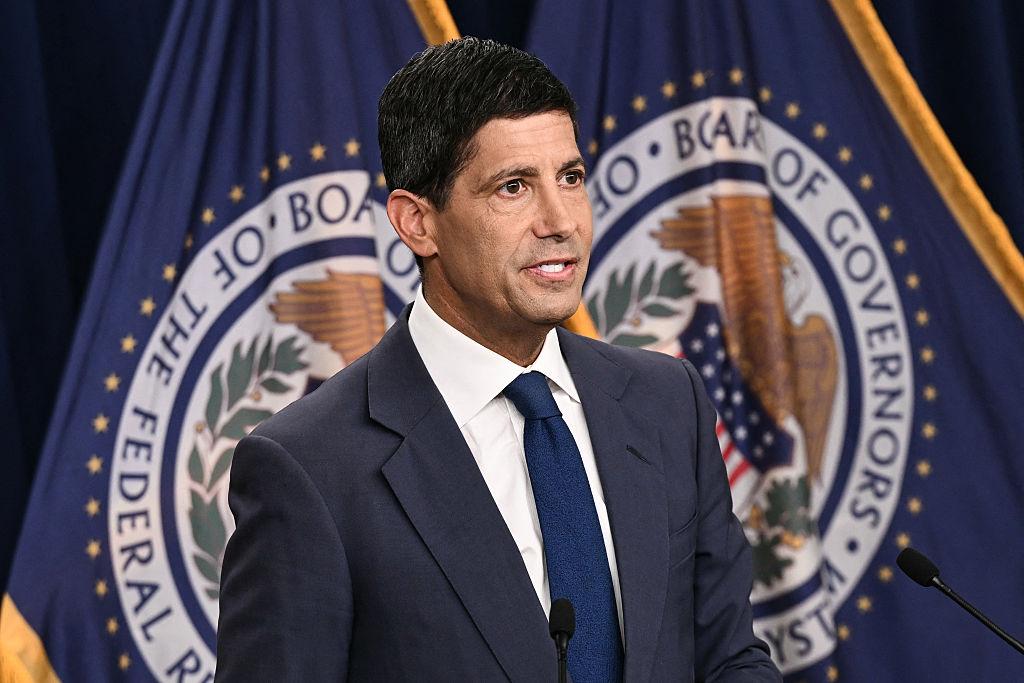
US markets are waiting for Federal Reserve Chair Kevin Warsh to give his first major speech at the Jackson Hole economic meeting this week.
Investors want to know how Warsh views inflation, interest rates and the US economy. His comments could shape expectations for the next rate decision and move financial markets.
The Jackson Hole meeting will take place from August 27 to August 29 in Wyoming. Central bankers, economists and policy experts will gather to discuss major issues facing the global economy. This year’s main theme is financial innovation and its effect on payments and policy.
Warsh faces the meeting at a difficult time. Inflation remains a major concern in the United States. Investors are also worried about high government debt, rising bond yields and financial market pressure.
Markets are looking for a clear signal on interest rates. Some investors want lower rates to support growth. Others fear that cutting rates too soon could allow inflation to remain high.
Warsh has not yet given a clear public signal about the timing of future rate moves. That has increased uncertainty in financial markets. Investors will listen closely to his comments on Friday.
The Federal Reserve has a difficult task. It must control inflation while also trying to support jobs and economic growth. Higher rates can slow spending and investment. Lower rates can support activity but may also keep price pressure high.
The latest market moves show how important the Fed’s next steps have become. US bond markets have faced pressure as investors worry about inflation and the size of government debt.
Long-term Treasury yields have moved higher. This can increase borrowing costs for households and companies. Mortgage rates, business loans and other forms of credit can all be affected when bond yields rise.
Gold has also gained as investors seek protection from economic uncertainty. Gold prices reached more than $4,600 an ounce on Monday. The move came as markets prepared for US inflation data and Warsh’s Jackson Hole speech.
The US inflation picture will be especially important this week. Investors are waiting for the latest personal consumption expenditures price data. The measure is closely watched by the Federal Reserve when it studies inflation.
The data could help shape expectations for the Fed’s next meeting. If inflation remains high, investors may expect rates to stay higher for longer. If price pressure slows, hopes for easier policy could grow.
Warsh also faces questions about the Fed’s independence. President Donald Trump has often called for lower interest rates. That has made the central bank’s policy decisions a major political issue.
Warsh will need to explain his view of the economy while keeping the focus on the Fed’s goals. His speech could therefore be important not only for markets but also for confidence in the central bank.
Investors are also watching the US dollar. A weaker dollar can support gold prices and affect global trade. Changes in US rates can also influence currencies around the world.
The Jackson Hole speech is unlikely to answer every question. Warsh may avoid giving a direct promise about the next rate move. Still, even small changes in his language could affect stocks, bonds, currencies and commodities.
For businesses and consumers, the key issue is borrowing costs. If rates remain high, loans may stay expensive. If the Fed signals future cuts, financial conditions could become easier.
The coming week will give investors several important clues. Inflation data will show how much price pressure remains. Warsh’s speech will show how the Fed views that pressure.
For now, markets are preparing for a closely watched test. Warsh’s first Jackson Hole speech as chair could set the tone for US monetary policy during a period of high inflation risk and financial uncertainty.

