


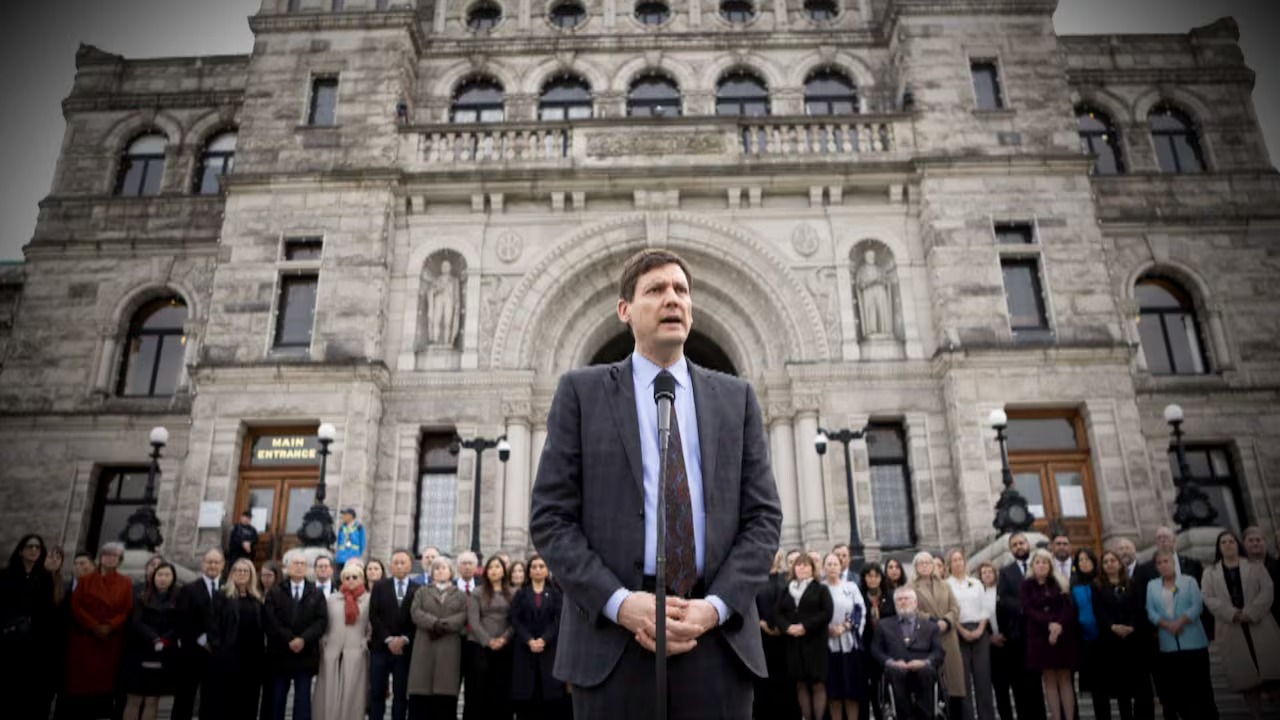
The BC Aboriginal Title Crisis is creating political tension in Canada and drawing national attention. A series of court rulings in British Columbia has raised key questions about Indigenous land rights. These decisions are now putting pressure on the provincial government and may influence policies across the country.
At the center of the issue is the legal concept of Aboriginal title. This refers to the rights of Indigenous peoples to land they have traditionally used and occupied. Canadian courts have recognized these rights in past decisions. However, new rulings in British Columbia have added urgency and complexity to the issue.
The crisis has become a major challenge for the province’s ruling party, the New Democratic Party. Leaders are facing growing pressure to respond to the court decisions. The rulings may require changes in how land is managed, developed, and shared.
Experts say the BC Aboriginal Title Crisis could reshape how governments work with Indigenous communities. It may affect projects in areas such as energy, mining, and infrastructure. Many of these projects depend on access to land that may now be subject to stronger Indigenous claims.
The situation has developed after several court rulings supported Indigenous rights. These decisions highlight the need for consent from Indigenous groups before major developments can move forward. This could change how governments and companies plan future projects.
The BC Aboriginal Title Crisis is not limited to one province. Legal experts warn that its effects could spread across Canada. Other provinces may face similar challenges if courts apply the same legal principles elsewhere.
Indigenous leaders have welcomed the rulings. They say the decisions recognize long-standing rights and support fairness. For many communities, this marks progress after years of legal battles and negotiations.
At the same time, the rulings have raised concerns among businesses and investors. Uncertainty over land rights can delay projects and increase costs. Companies may need to adjust plans and work more closely with Indigenous groups.
The provincial government now faces a complex task. It must balance legal obligations, economic goals, and relationships with Indigenous communities. This requires careful planning and open dialogue.
The BC Aboriginal Title Crisis also highlights the importance of reconciliation. Canada has committed to improving relations with Indigenous peoples. Respecting land rights is a key part of this process.
Federal leaders are also watching the situation closely. National policies may need updates if similar legal challenges arise in other regions. This could lead to broader reforms in land use and governance.
The issue is gaining attention beyond legal and political circles. It is becoming part of a wider public discussion about rights, history, and fairness. Many Canadians are now more aware of the importance of Indigenous land claims.
Analysts say the outcome of this crisis will shape Canada’s future. It may lead to new rules for development and stronger partnerships with Indigenous communities. These changes could bring both challenges and opportunities.
The BC Aboriginal Title Crisis shows how legal decisions can have wide effects. What starts in one province can influence the entire country. As the situation evolves, all sides are looking for solutions that balance rights and growth.
For now, the focus remains on how leaders respond. The next steps taken in British Columbia could set an example for the rest of Canada.

