


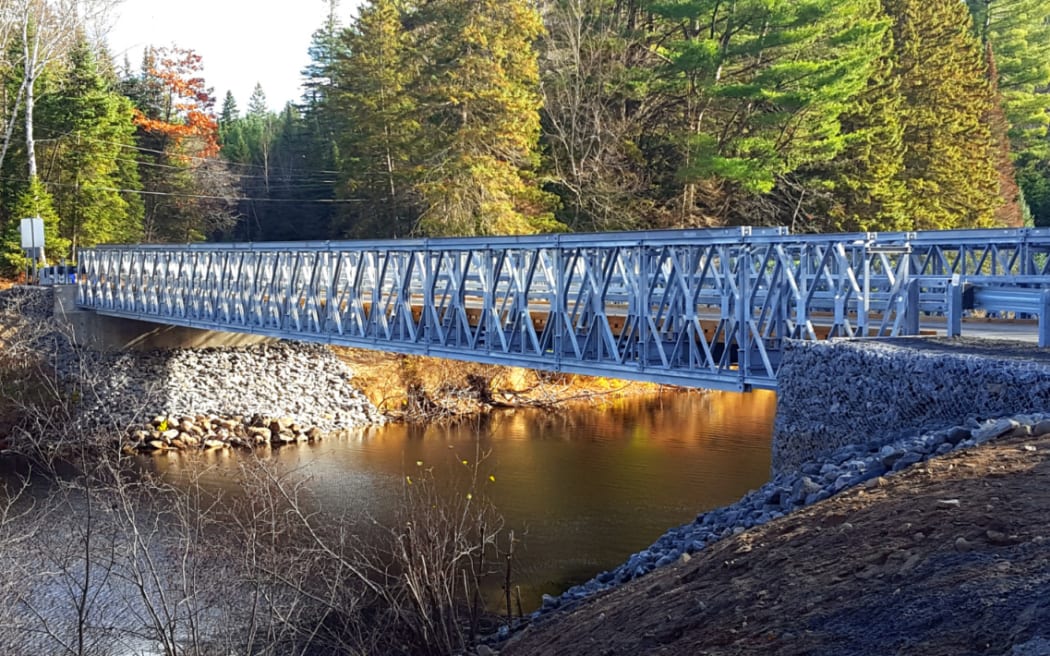
The West Coast Emergency Bridges debate is raising fresh concern in New Zealand. Local leaders say the region is exposed after transport officials refused to store key bridge parts nearby.
The New Zealand Transport Agency has decided to keep emergency bridge stock in Christchurch. This comes despite repeated calls to place supplies on the West Coast.
Leaders argue the decision could delay response times in a disaster. They say quick access to bridge parts is critical if roads are damaged.
The issue gained urgency after Cyclone Gabrielle. During that time, many bridge components were moved north for repairs. Since then, local groups have pushed for their return.
Peter Ewen, who chairs the regional transport committee, has been outspoken. He said the agency is ignoring real risks in the region.
He warned about the threat of a major earthquake along the Alpine Fault. Such an event could damage roads and isolate communities.
Ewen said moving bridges from Christchurch to the West Coast during a crisis may not be easy. He believes the region needs its own supply to stay prepared.
The West Coast Emergency Bridges issue was discussed at a recent meeting of South Island transport leaders. James Meager, Minister for the South Island, joined the talks online.
Ewen said other regional leaders supported the West Coast’s concerns. He noted that the area could face unique challenges due to its location.
The region relies on strong links between key towns. These include Greymouth and Hokitika. Much of the population, as well as key services, are located between them.
Ewen stressed that hospitals, airports, and essential services depend on this connection. If roads are cut, access could be severely limited.
Despite the concerns, NZTA has not changed its stance. Mark Pinner said keeping bridge stock in Christchurch is the best option.
He said a central location allows faster response across the country. NZTA believes this strategy is more efficient during large-scale emergencies.
The agency also confirmed it has no current plans to add new storage sites on the West Coast. It has not engaged with local companies offering storage space.
This includes a proposal from a local transport firm to store bridge parts. Supporters say such offers could solve earlier concerns about storage conditions.
The West Coast Emergency Bridges debate has also drawn support from the Automobile Association. The group backs calls for local supplies to improve safety.
Minister Meager said he is aware of the issue and is reviewing it. However, he noted that final decisions fall under Chris Bishop, the Minister of Transport.
Meager said he has held discussions with key groups and will continue to study the matter. The issue is part of his wider priorities for the South Island.
For now, local leaders say they will keep pushing for change. Ewen said the issue will remain on the table until there is a clear solution.
He warned that if a disaster strikes and bridges cannot reach the region in time, the consequences could be serious.
The West Coast Emergency Bridges debate highlights a broader challenge. It shows the need to balance efficiency with local readiness.
As risks from natural disasters remain, the question of where to store vital infrastructure continues to divide opinion.

