


Protect the West Coast has launched a legal challenge against diamond mining company Trans Hex over environmental approval linked to mining operations along South Africa’s West Coast.
The environmental group argues that the company’s updated environmental management plans rely on outdated studies and fail to properly address rehabilitation obligations tied to earlier mining activity.
Trans Hex is controlled by Christo Wiese and his family after the company was removed from the Johannesburg Stock Exchange in 2019.
Protect the West Coast said some of the environmental research used in the latest approval process is more than 20 years old. The group claims important rehabilitation requirements from a 2002 environmental management programme were also excluded from the updated documents.
According to the organization, the revised programme does not include a clear list of damaged sites identified in earlier environmental reports. Activists also claim the documents fail to explain who is responsible for repairing environmental harm caused by mining operations.
The group further argued that rehabilitation funding was delayed to a future process instead of being fully addressed before environmental approval was granted.
Protect the West Coast said proper financial planning for rehabilitation should have been completed and publicly declared before mining permission was approved.
The legal dispute also raises questions about which government department should oversee environmental approvals for mining activities.
The environmental group believes such approvals should fall under Department of Forestry, Fisheries and the Environment rather than the Department of Mineral and Petroleum Resources.
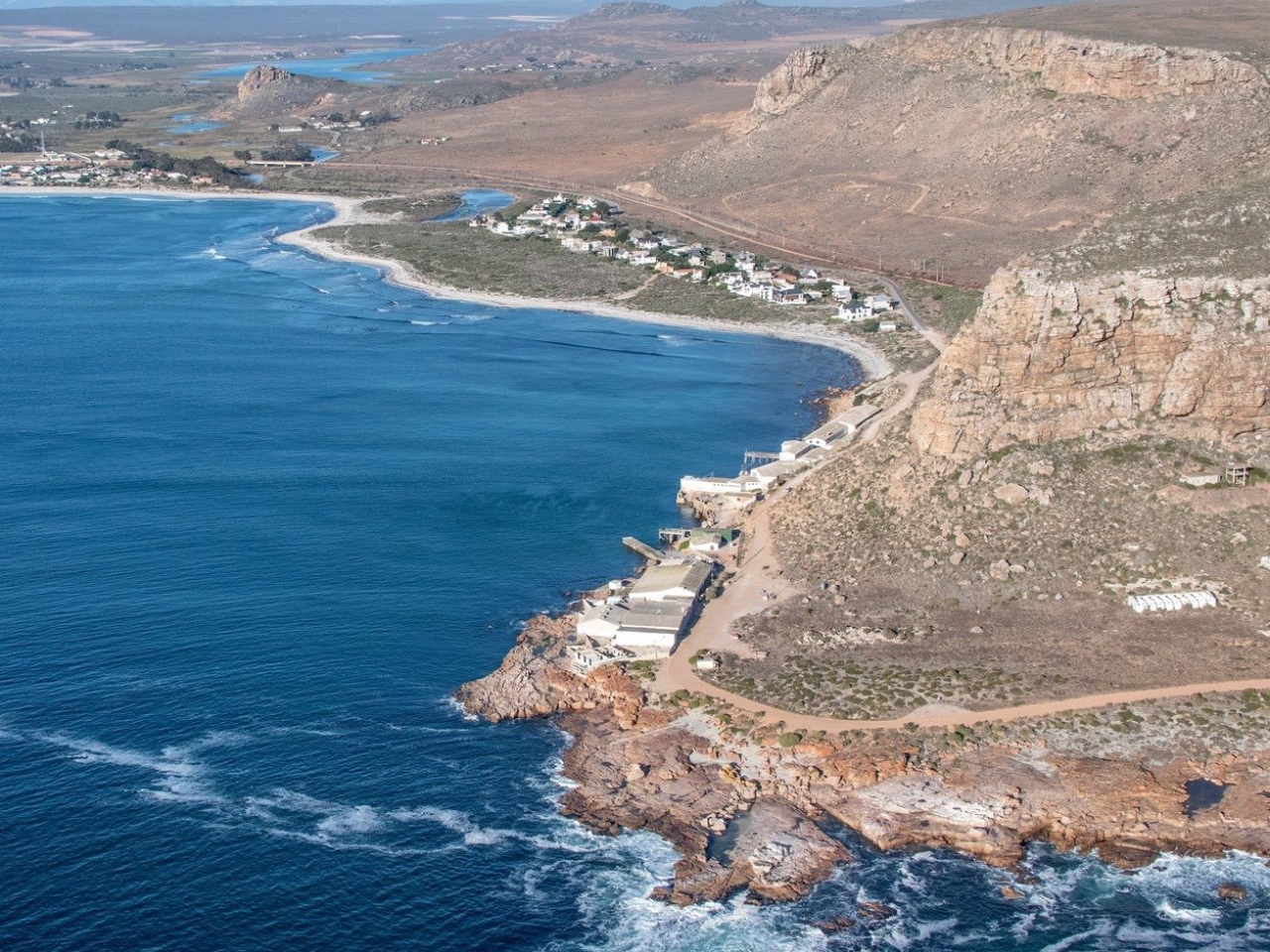
The affected mining areas are located along the West Coast north of Doringbaai near the border between the Western Cape and Northern Cape provinces.
Some of the disputed sites are also located around the Olifants River Estuary.
Protect the West Coast claims decades of beach mining have caused major environmental changes in the region. The group said coastal mining activity led to cliff collapses and visible environmental damage along parts of the coastline.
Activists rejected suggestions that natural wave action alone could restore damaged coastal areas over time.
Trans Hex denied claims that its operations caused widespread destruction. The company said it has operated below the Doringbaai high-water mark for more than 30 years and argued that visible damage above the high-water line came from other mining companies working outside its licensed areas.
The dispute is not the first conflict between the two sides. In 2023, the parties reached an out-of-court settlement linked to environmental concerns and social media activity.
That settlement later became part of an order issued by the Western Cape High Court.
The agreement created no-go mining zones around environmentally sensitive areas and required Trans Hex to update its 2002 environmental management programme.
Protect the West Coast and other applicants were also granted the right to carry out yearly inspections of mining sites.
The group now claims that expert opinions submitted during the public participation process were not properly included in the updated environmental programme.
The legal challenge comes during a difficult period for the global diamond industry.
Diamond prices have declined since 2022 because of weaker consumer demand and growing acceptance of lab-grown diamonds as alternatives to natural stones.
Marco Wentzel, a former South African rugby player and Christo Wiese’s son-in-law, has previously defended mining operations by highlighting their economic value for local communities.
Wentzel said critics should balance environmental concerns with the jobs and economic activity mining provides in the region.
Protect the West Coast responded by saying it does not oppose mining completely. However, the group believes alternative development plans could deliver stronger long-term benefits for both local residents and the environment.
The case is expected to continue drawing attention as environmental groups, mining companies, and government agencies debate the future of coastal mining along South Africa’s West Coast.

