


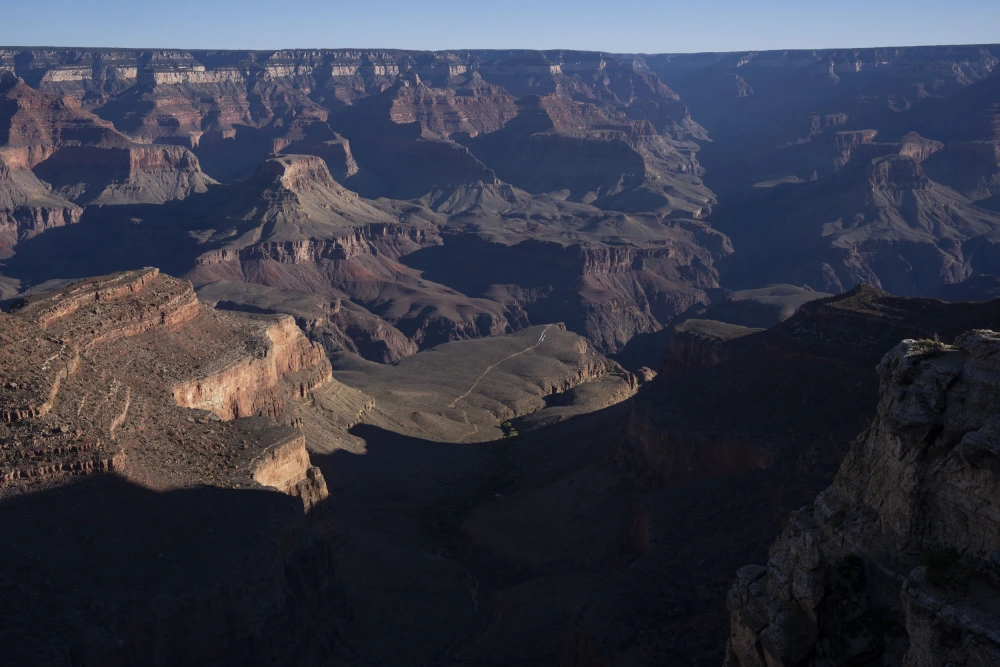
Three hikers have died from what officials believe are heat related illnesses in Grand Canyon National Park in the United States. The deaths happened during two separate incidents in June. The cases took place on popular hiking routes in the park’s inner canyon.
The victims were two men aged 72 and 67, and a 68 year old woman. Officials said the incidents occurred on June 12 and June 16. Emergency teams responded quickly, but all three hikers were found dead on different trails inside the canyon.
The hikers were located on two major routes. These were the South Kaibab Trail and the North Kaibab Trail. These trails are known for steep paths and very high temperatures, especially in summer months.
The park said that despite air support and fast response teams, the hikers could not be saved. Their bodies were transferred to the Coconino County Medical Examiner’s Office for examination. Officials said heat exposure is the likely cause, but full results are still pending.
The inner canyon of the park can become extremely hot. Temperatures can reach around 109 degrees Fahrenheit in shaded areas during the middle of the day. The environment is dry, and heat builds up quickly. This makes long hikes very dangerous, especially for older visitors or those not used to extreme weather.
Park officials warned visitors to avoid heavy hiking between 10 a.m. and 4 p.m. during summer. These hours are considered the hottest part of the day. Rangers said hikers should plan early morning or late evening trips to reduce risk.
The National Park Service said heat related deaths are a known risk in desert parks. Visitors often underestimate how quickly heat stress can develop. Even strong and experienced hikers can become affected if they do not carry enough water or rest properly.
Data from park records shows dozens of unintentional deaths have occurred in recent years. These include falls, medical emergencies, and heat related incidents. While falls remain the leading cause, heat is a growing concern during extreme summer conditions.
The Grand Canyon is one of the most visited national parks in the United States. It receives more than 4 million visitors each year. Many tourists attempt hikes into the inner canyon without fully preparing for the conditions. Rangers say this often increases risk during hot months.
Officials explained that hiking in the canyon is very different from walking on the rim. The lower elevation areas are much hotter. Temperatures can rise by more than 20 degrees compared to the top. This creates a dangerous gap between expectations and reality for many visitors.
Emergency teams regularly patrol the area during peak seasons. Helicopters and rescue crews are used when hikers are reported missing or in distress. However, officials say rescues are not always successful when heat illness becomes severe.
Park authorities continue to stress safety messages. They advise visitors to carry extra water, wear light clothing, and take frequent breaks. They also recommend checking weather forecasts before starting any hike into the canyon.
Heat illness can begin with dizziness, nausea, and confusion. If not treated quickly, it can become life threatening. Rangers say many victims do not recognize early warning signs until it is too late.
The deaths have renewed concern about summer safety in desert parks across the United States. Officials say rising temperatures in recent years may increase risks for hikers. They continue to update warning systems and safety guidance to prevent future incidents.
The investigation into the three deaths is ongoing. The medical examiner will confirm final causes after completing post mortem analysis. More details are expected once official reports are released.
For now, park officials are urging all visitors to take heat warnings seriously. They say preparation and timing are key to staying safe in one of the country’s most extreme environments.

