


The United States and Iran are trading sharp warnings as Washington prepares to announce new economic sanctions against Tehran. The latest dispute comes as the conflict between the two countries moves closer to its six month mark.
The new US sanctions are due to be announced on Monday. They could affect Iran and some of its main trading partners, including China. The move adds fresh pressure to an already tense situation.
The two sides are not currently exchanging fire. They are also not holding peace talks. Instead, both governments are using strong words while keeping pressure on each other.
US President Donald Trump said Iran was not ready to make what he called the right deal. His comments came as Washington continued to demand major changes from Tehran.
The US has also warned countries that help Iran. Trump has said countries that give Iran economic support could face serious costs. That warning could make the new sanctions important not only for Iran but also for nations that trade with it.
China is one of the main countries that could feel the effect. China has remained an important trading partner for Iran. Any new US steps aimed at Iranian trade could therefore create wider economic pressure.
The Strait of Hormuz is another major part of the dispute. Oil traffic through the narrow waterway has almost stopped. Iran has threatened to strike oil tankers that try to pass without its approval.
The strait is one of the world’s most important energy routes. A large share of global oil trade normally passes through the area. Any long halt in traffic can affect oil prices, shipping and energy costs around the world.
The latest crisis has therefore moved beyond the direct US Iran dispute. It is now creating risks for global markets and countries that depend on energy imports.
Washington is trying to use economic pressure to force Tehran toward an agreement. Iran, however, has shown little sign of giving in to US demands.
The lack of talks is also raising concern. Without a direct channel between the two sides, there are fewer ways to reduce tension when a new dispute starts.
The situation is made harder by the length of the conflict. The war is now approaching six months. Both sides have already faced major costs, while the wider region has also been affected.
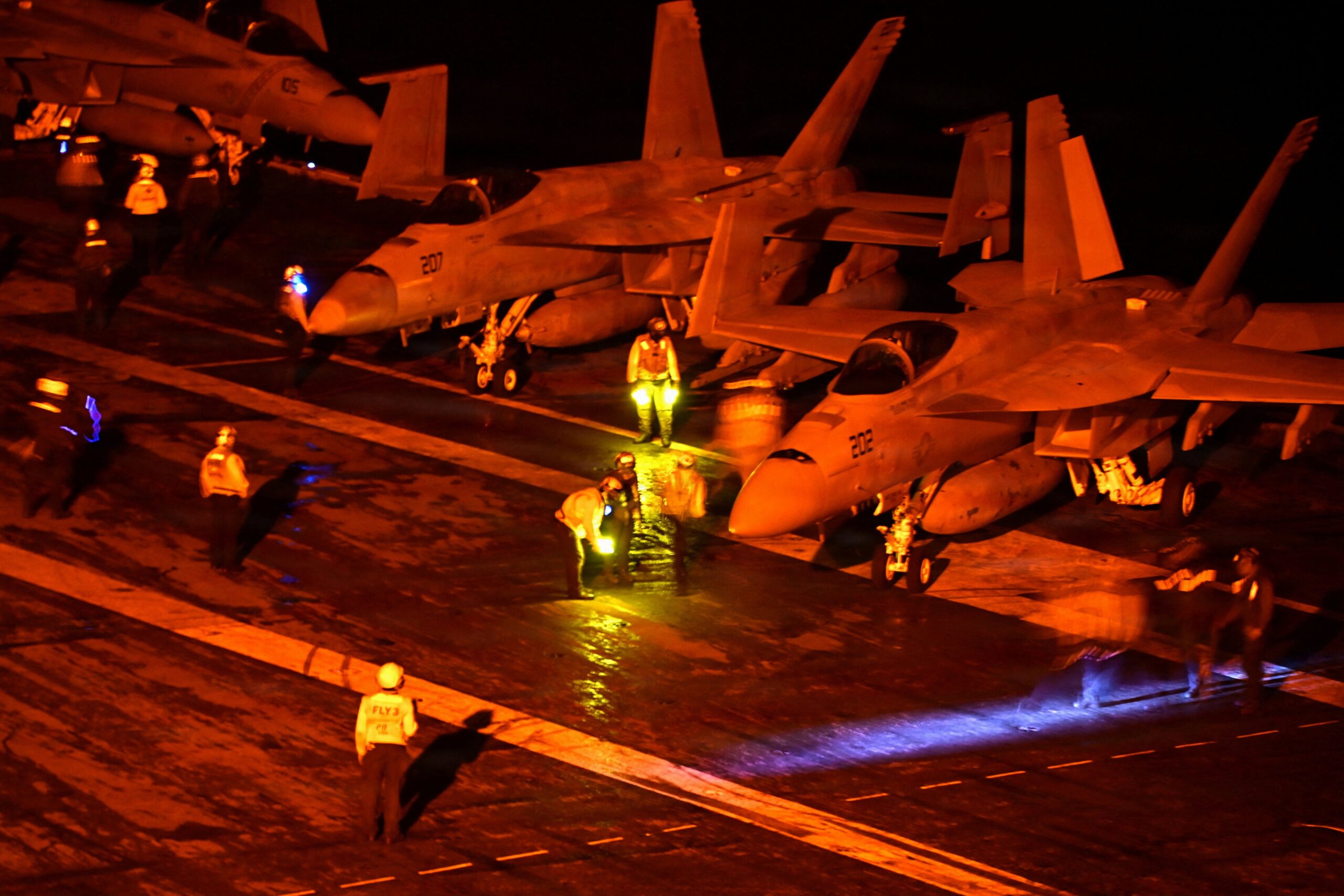
The US military has remained active in the region. American forces are watching key areas while the crisis continues. The presence of US forces adds another layer of risk if the dispute grows.
Iran, meanwhile, is trying to keep its influence over the Strait of Hormuz. Its control of the area gives Tehran an important tool during the crisis.
The coming days could therefore be important. The US is expected to give more details about the sanctions on Monday. Markets and governments will be watching to see which countries and sectors are targeted.
The effect on oil prices will also be closely watched. A longer halt in shipping could raise costs for countries that rely on oil from the Gulf.
For businesses, the uncertainty can make trade more difficult. Companies may face higher shipping costs and problems with supply routes. Banks may also become more careful when dealing with firms linked to Iran.
For ordinary people, the biggest concern could be energy prices. If oil supplies remain under pressure, fuel and transport costs may rise in many countries.
The crisis also puts China in a difficult position. Beijing has strong trade links with Iran but must also consider the effect of US sanctions on Chinese companies.
The US and Iran still have a chance to reduce tension through diplomacy. But neither side has shown a clear move toward talks.
For now, Washington is preparing more economic pressure while Tehran is refusing to give way. The next major test will come with Monday’s sanctions announcement.
Until then, the Strait of Hormuz remains a key point of concern. Any change in oil traffic could quickly affect markets far beyond the Middle East.
The latest exchange of warnings shows that the conflict remains far from settled. With sanctions approaching and shipping still disrupted, the risk of a wider economic shock remains high.

