


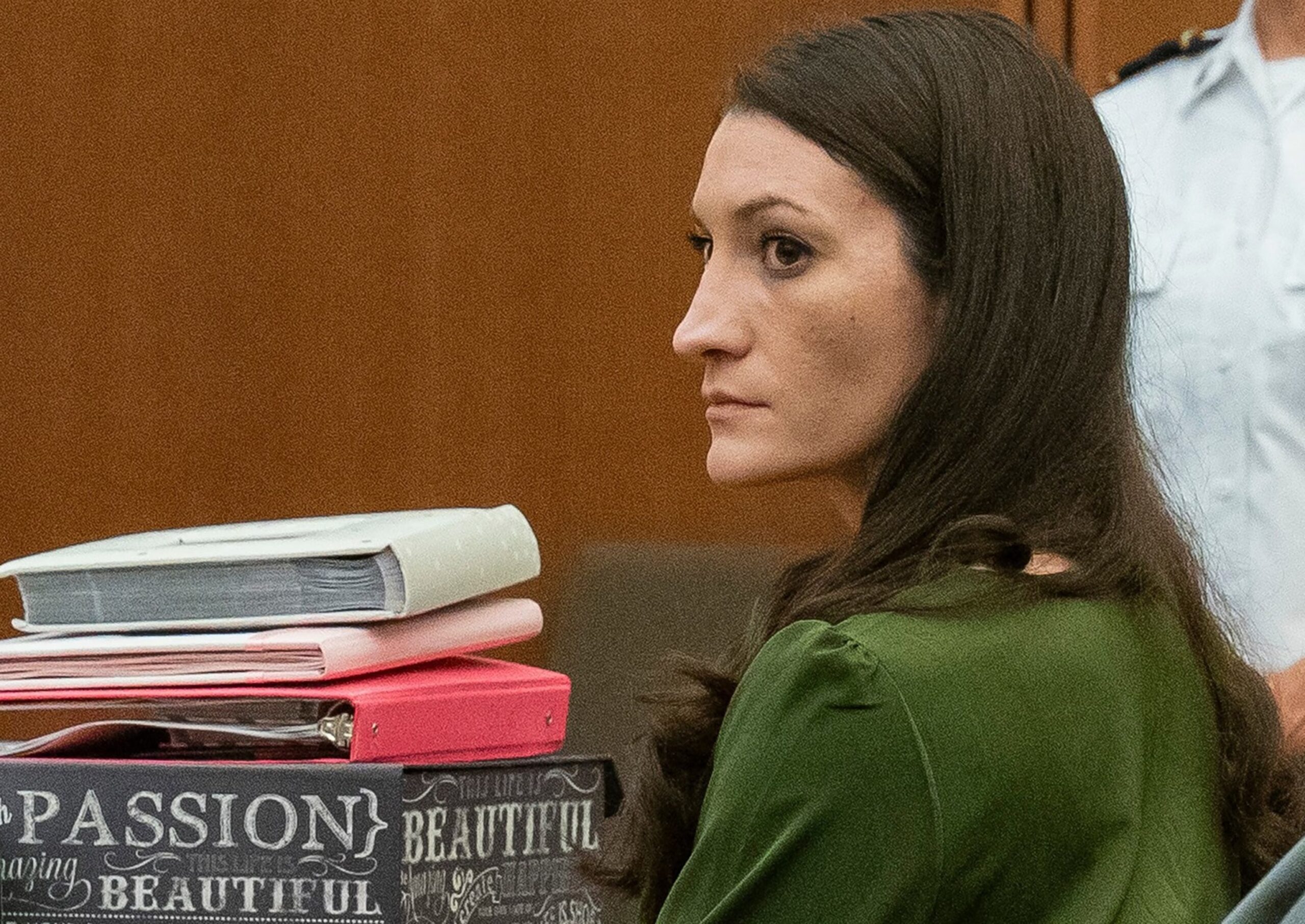
A Massachusetts judge has declared a mistrial in the Lindsay Clancy case after jurors failed to reach a unanimous verdict. The decision came after more than a week of deliberations in a closely watched trial that focused on mental health issues after childbirth.
The 12-member jury spent more than 38 hours reviewing evidence and discussing the charges. Jurors remained divided and could not agree on a final decision. Court records showed the panel was split 11 to 1.
Judge William Sullivan announced the mistrial after the jury reported for a third time that it was deadlocked. Before the mistrial was finalized, Clancy’s defense team made a last effort to keep deliberations going.
Defense lawyers filed an emergency request with the state’s highest court. They argued that one juror was refusing to follow legal instructions about reasonable doubt. The defense claimed the juror showed bias and asked the court to question that person further.
The emergency petition stated that a mistrial could be avoided if the court investigated the issue. Defense attorneys also argued that the court had not done enough to protect the fairness of the jury process.
A public hearing was held by video conference before a single justice of the Massachusetts Supreme Judicial Court. Prosecutors and defense attorneys presented their arguments. After reviewing the request, the justice denied the petition.
The mistrial leaves the future of the case uncertain. Prosecutors now have the option to retry Clancy. A status conference has been scheduled for late September to discuss the next steps.
Clancy, a former neonatal nurse, was charged in connection with the deaths of her three children. The children were Cora, age five, Dawson, age three, and Callan, who was eight months old. The deaths occurred at the family home in Duxbury, Massachusetts, in January 2023.
Prosecutors argued that Clancy carefully planned the killings. They said she asked her husband, Patrick Clancy, to leave the house so she would have time to carry out the acts. According to investigators, the children were strangled with exercise bands while their father was away.
The prosecution told jurors that the actions showed planning and intent. They argued that Clancy understood what she was doing and acted with deliberate purpose.
The defense presented a very different picture. Lawyers said Clancy was suffering from severe postpartum psychosis and other serious mental health conditions. They argued that her mental state prevented her from understanding the wrongfulness of her actions.
Defense attorneys said Clancy experienced hallucinations and severe depression after the birth of her youngest child. They also noted that she had been prescribed many medications for anxiety, sleep problems, and depression.
During the trial, jurors heard testimony from family members, medical professionals, and mental health experts. Witnesses described Clancy’s struggles in the months before the tragedy.
The defense highlighted that Clancy sought professional help and even entered a psychiatric treatment program before the killings. Lawyers argued that she and her family actively tried to address her worsening condition.
One expert witness, forensic psychiatrist Dr. Phillip Resnick, testified that Clancy was suffering from severe mental illness at the time of the deaths. He told jurors that she was experiencing psychosis and was unable to think clearly.
Massachusetts law requires jurors to determine whether a defendant had the ability to understand the criminal nature of their actions and follow the law. That legal standard became a central issue throughout the trial.
After the mistrial was declared, Judge Sullivan thanked jurors for their service. He acknowledged the emotional nature of the evidence and the long commitment required during the seven-week trial.
Outside the courthouse, both sides reacted to the outcome. Prosecutors said their focus remains on seeking justice for the three children. Defense attorneys expressed disappointment and criticized the actions of the lone juror who did not agree with the majority.
The criminal case is not the only legal matter still pending. Lindsay and Patrick Clancy have also filed a civil lawsuit against medical and mental health providers. They claim those providers failed to properly diagnose, treat, and monitor Clancy’s psychiatric condition before the tragedy.
With no verdict reached, attention now turns to the upcoming court conference, where prosecutors will decide whether to pursue a new trial in the Lindsay Clancy mistrial case.

