


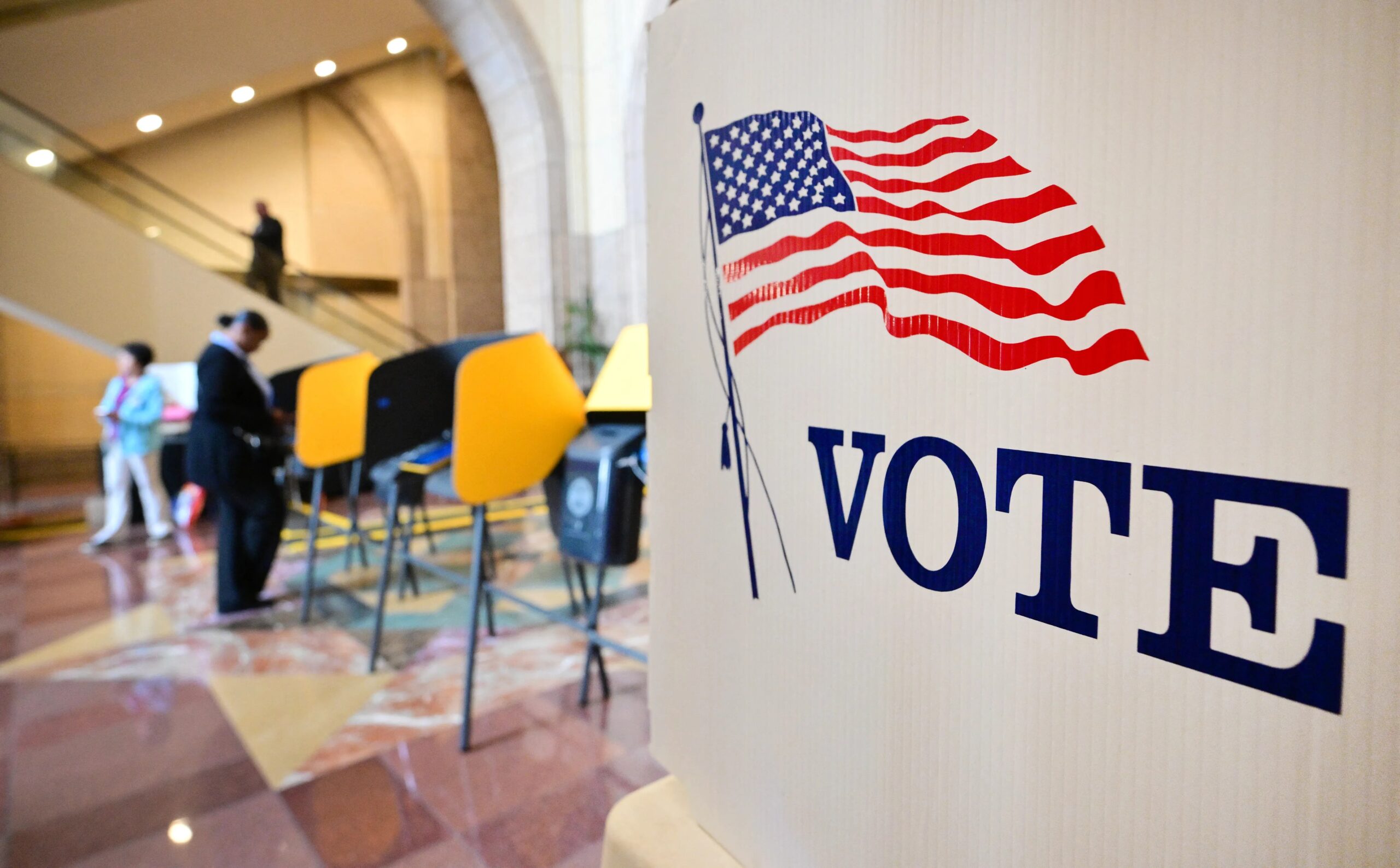
The US Supreme Court has rejected an emergency request from the Trump administration to set aside thousands of votes in California. The decision came on Monday, just hours before the final day of voting in the key midterm elections.
The case involved about 20,000 people on California’s voter rolls. The federal government claimed they were likely noncitizens. The Trump administration wanted the state to keep their ballots separate until officials could check their citizenship status.
The court refused to step in. It did not explain its decision. No justice publicly disagreed with the ruling.
The decision was a major setback for President Donald Trump’s efforts to influence election rules before votes were counted. The midterm elections will decide which party controls Congress during the final two years of his second term.
California Governor Gavin Newsom welcomed the court’s move. He said the justices had rejected Trump’s request without asking California officials to respond first.
In a post on X, Newsom said the court’s action was a victory for democracy. He has strongly opposed the federal effort to challenge the state’s voter records.
The Supreme Court’s decision also marked another legal defeat for the administration. Several lower courts had already rejected the Justice Department’s request to separate the disputed ballots.
Those courts found no reason to grant the emergency order sought by the federal government. The administration wanted the ballots held aside while officials checked whether the people involved were US citizens.
The case drew attention because of its timing. The request reached the nation’s highest court shortly before the end of voting in an election that could shape the balance of power in Washington.
The Trump administration argued that action was needed over concerns about the citizenship status of thousands of registered voters. However, the courts did not accept its request to take immediate steps against the ballots.
The Supreme Court did not provide a detailed explanation. Such short rulings are common when the justices deal with emergency requests. The court can reject an application without issuing a full opinion.
The latest ruling follows another defeat for Trump over voting rules. In September, the Supreme Court rejected his attempt to place new limits on mail voting across the country.
That decision came even as the court had supported the administration in several other emergency cases. The latest action shows that the justices were not ready to grant the federal government’s request in the California dispute.
California Attorney General Rob Bonta also welcomed the outcome. He said the administration had now lost four times in its efforts to interfere with the state’s election process.
Bonta pointed to decisions from the district court, the Ninth Circuit Court of Appeals and the Supreme Court. He said the latest ruling should end the federal effort to disrupt California’s elections through emergency court orders.
The dispute was also part of a wider series of legal fights over the administration’s role in election matters.
Another case involved Alaska and the future certification of its election results. A judge dismissed a lawsuit backed by Trump that sought to prevent a possible Democratic victory in a Senate race.
The judge rejected the case without holding a hearing. The dispute focused on the possibility of a close result and the certification process.
These cases have raised concerns about federal efforts to challenge election procedures in states. They have also placed the courts at the centre of disputes over voting rights and election management.
California has long been a Democratic stronghold. The state has strongly opposed the Trump administration’s efforts to change how it handles voter records and election rules.
The federal government has argued that checking citizenship is important to protect the voting system. However, US law does not allow noncitizens to vote in federal elections, and the administration must follow legal rules when seeking changes to state election procedures.
The California case focused on whether thousands of ballots could be separated based on federal claims about the voters’ citizenship. State officials opposed the move and argued that the request could affect eligible voters.
The Supreme Court’s refusal to intervene leaves the lower court decisions in place. It also marks another setback for the administration as the country moves through a major election period.
With control of Congress at stake, the ruling adds to the legal and political pressure surrounding the midterm elections. The decision also reinforces the role of the courts in reviewing efforts to change voting rules.

