


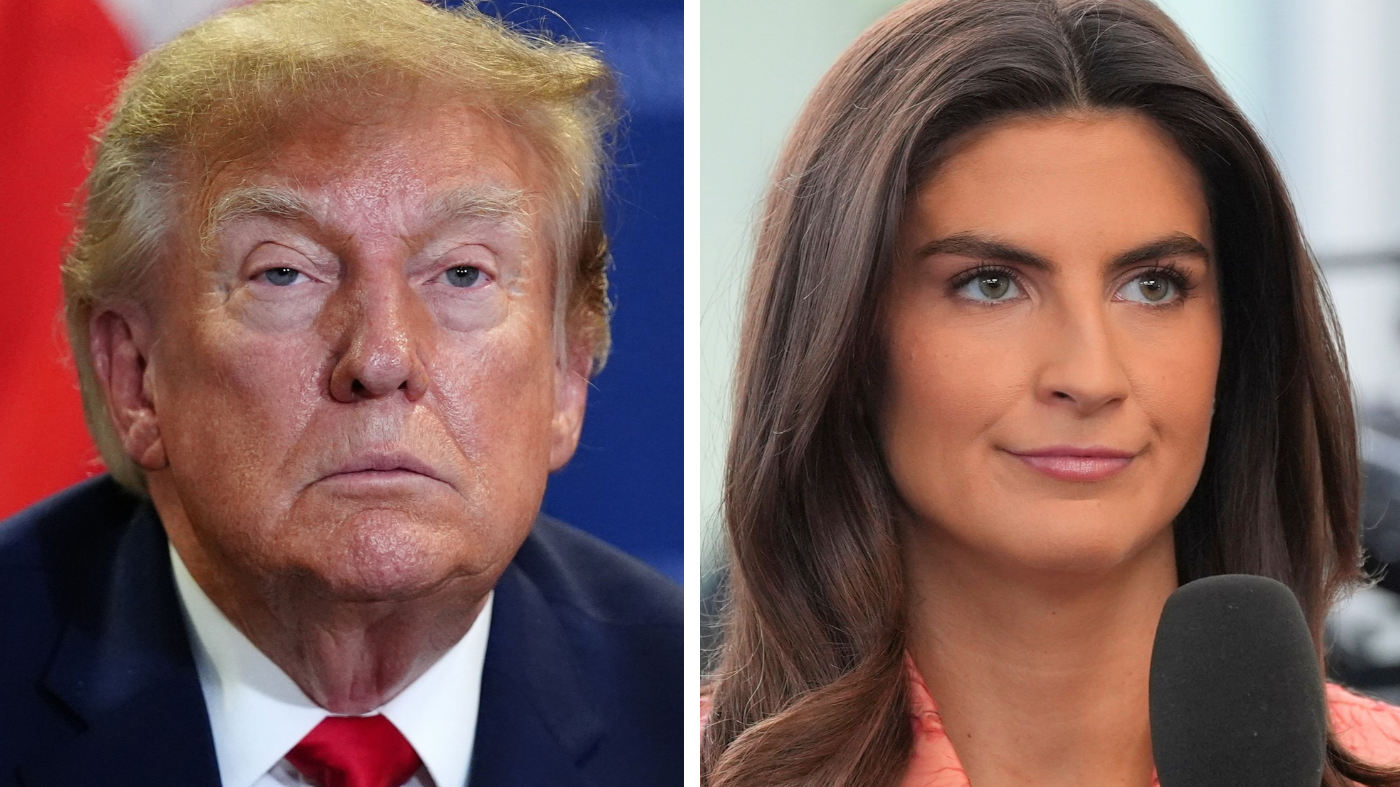
CNN anchor Kaitlan Collins has raised concerns about President Donald Trump’s decision to cancel two planned campaign rallies ahead of the US midterm elections. The unexpected move has drawn attention because Trump has spent much of October holding large events across the country.
On Thursday, October 29, Trump canceled rallies scheduled for Kansas on Saturday and Iowa on Sunday. Instead of appearing in person, he plans to take part in virtual campaign events as Republicans prepare for the crucial vote on Tuesday, November 3.
The change comes after a busy month of campaigning. Trump has attended numerous rallies, including two events in Texas on Tuesday. He has used these appearances to promote his record and appeal to voters facing rising living costs amid the economic effects of the war with Iran.
During a discussion with Anderson Cooper on CNN’s 360° program, Collins described the decision as unusual. She noted that Trump often highlights the amount of time he spends traveling and meeting voters.
Collins said the president had held about 25 rallies during October alone. She added that his remaining in-person campaign appearance was scheduled for Friday in Daytona Beach, Florida.
After that event, Trump would have no further planned in-person rallies before Election Day.
The shift has raised questions about why the president is changing his approach so close to a vote that could shape the final two years of his administration. The midterms will determine control of Congress and could affect the White House’s ability to advance its legislative agenda.
Collins compared the current campaign with Trump’s approach during the 2018 midterm elections. She recalled that he held several rallies on some days as Election Day approached.
According to Collins, Trump sometimes appeared at two or even three events in a single day during that campaign. She said the contrast between the two election seasons was striking, given the importance of the upcoming vote.
The president’s team has defended the move to virtual events. A White House official said Trump would continue communicating directly with voters through more than 20 telephone-based campaign events before Election Day.
The official argued that the format would allow Trump to discuss his achievements and reach more Americans across different states.
Collins acknowledged that virtual events would allow the president to reach more people in less time. He could take part in several calls during one evening rather than traveling between locations.
However, she stressed that telephone rallies are different from traditional campaign events. In-person rallies bring supporters together at venues where people may wait in long lines to see the president speak.
Trump’s live appearances often last around 90 minutes or longer. By comparison, his virtual rallies generally run for about 10 to 15 minutes. During these calls, he typically speaks over the telephone and follows a prepared script.
The format may help the campaign reach voters in several locations quickly. Yet it does not offer the same atmosphere as a large gathering, where supporters can see the president and respond to his remarks in person.
Collins also reported that some Republican officials were relieved by the decision to end Trump’s in-person rallies. She discussed the reactions during a later appearance on CNN’s The Source.
According to Collins, one senior Republican official welcomed the change and said the president had not improved the party’s position in the places he visited. Another official reportedly suggested that voters who wanted to see Trump had already had the opportunity.
The comments point to possible concerns within Republican circles about the impact of the president’s campaign appearances. While his rallies can energize loyal supporters, party officials may also be assessing whether his presence helps candidates reach undecided voters.
The cancellations have also drawn attention to Trump’s response to questions about his health and demanding campaign schedule.
On Thursday, Reuters reporter Jacob Bogage asked the president about his health after weeks of public appearances and travel. Trump responded sharply, saying he felt well and criticizing the reporter’s appearance.
Collins defended the journalist, saying the question was straightforward and did not suggest that the president was ill. She argued that asking about his health was reasonable given his age and the pace of his recent activities.
She also said Trump’s reaction was notable because the reporter had asked about the reason for the rally cancellations and whether his health was a factor.
The White House had not publicly provided a detailed explanation for the change in campaign plans in the material reported on Thursday.
With Election Day approaching, the decision leaves Trump with fewer opportunities to appear before voters in person. His campaign will instead rely more heavily on telephone events and other forms of outreach.
The final days of the campaign could prove important for Republicans seeking to maintain control of Congress. Whether the shift helps the party reach more voters or raises further questions about its strategy remains to be seen.

