


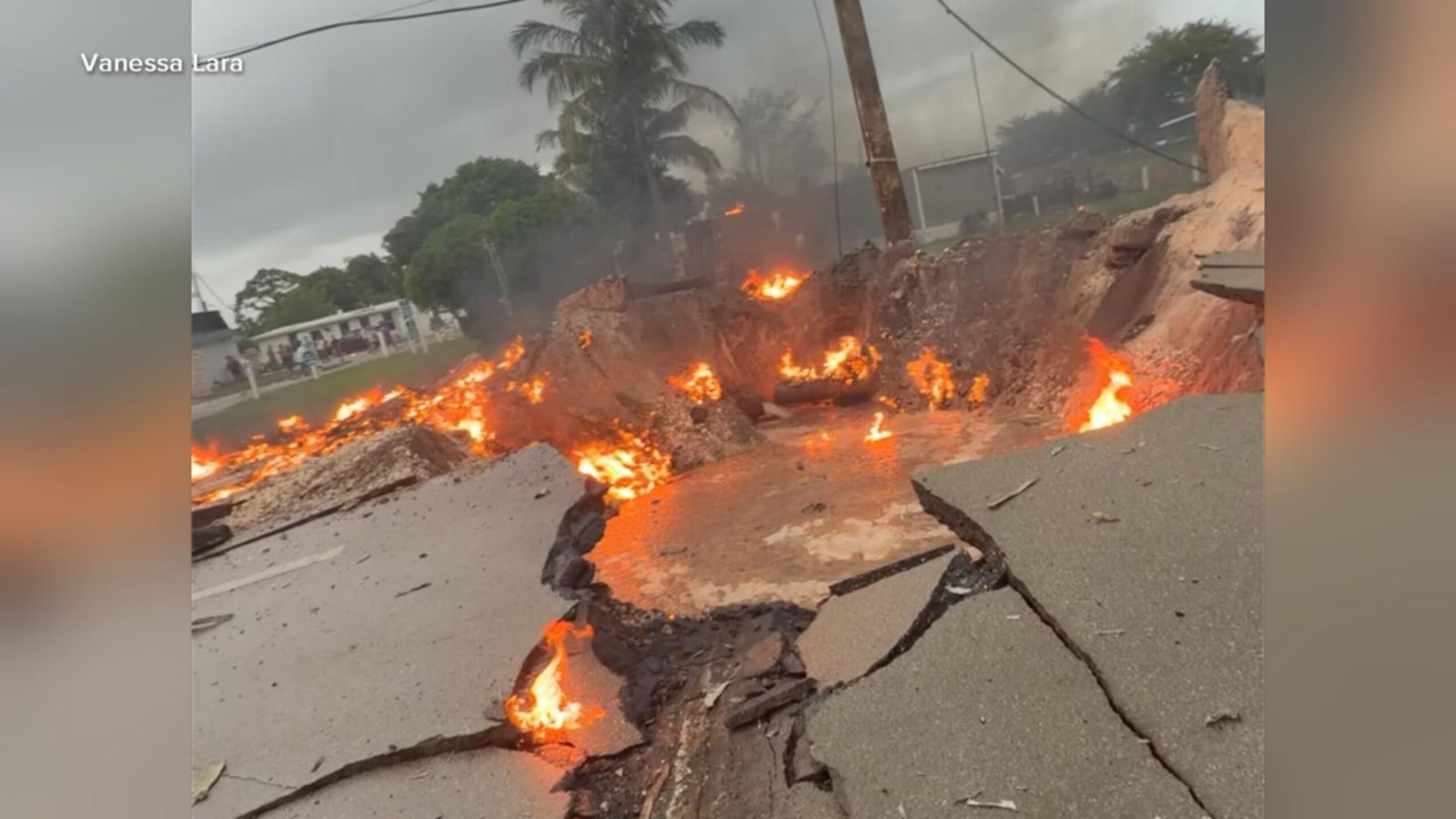
An aviation expert has raised questions about the flight route taken by a Learjet 60 before it crashed in South Florida on Sunday, killing several people. The aircraft reportedly flew close to powerful thunderstorms before losing control and making a rapid descent.
Mike Slack, an aviation lawyer and licensed pilot, said the aircraft appeared to enter the edge of a well-developed storm system before the crash. He questioned why the pilots chose a route that brought them close to dangerous weather when another path could have avoided the storms.
Slack spoke about the incident on Tuesday. He has experience in aviation law and previously worked at NASA’s Johnson Space Center. He also studied aerospace engineering at Texas A&M University.
According to Slack, the aircraft was flying dangerously close to storm activity before it began its rapid descent. He said the available weather information raised concerns about the decision to follow that route.
“What we have here is an airplane which is in dangerous proximity to the convective weather,” Slack said.
Convective weather refers to conditions linked to rising air, thunderstorms and strong atmospheric activity. These storms can create serious risks for aircraft. They may produce severe turbulence, strong winds, heavy rain and sudden changes in air pressure.
Pilots are trained to avoid dangerous storm systems because flying too close can place an aircraft in difficult conditions. Weather radar and flight planning tools help crews identify areas of risk and choose safer routes.
Slack said the pilots could have taken a northern route through Jacksonville instead of flying through the Miami area. He argued that this alternative would have allowed the aircraft to avoid the storm system while adding only a few minutes to the journey.
“The route going through Miami would have gotten there six minutes before the one going through Jacksonville, where there was absolutely no weather,” Slack said.
He questioned why the crew would accept the potential danger when another route was available. According to his assessment, the northern path could have taken the aircraft toward North Eleuthera without exposing it to the same weather conditions.
The difference in flight time was a central part of Slack’s criticism. He said the Miami route saved only about six minutes compared with the Jacksonville option. In his view, the small time difference raised questions about the decision to fly near the storm system.
However, the exact circumstances surrounding the crash remain unclear. The National Transportation Safety Board is investigating the incident and has not announced an official cause.
The NTSB has identified weather as a major focus of its investigation. Investigators will need to examine the aircraft’s flight path, weather conditions, pilot decisions and other technical evidence before reaching a conclusion.
Weather can affect aircraft in several ways. Strong storm activity may create severe turbulence and powerful air currents. Sudden changes in wind speed and direction can also make it harder for pilots to maintain control.
Thunderstorms can be especially dangerous when aircraft fly near their strongest areas. Even when a plane does not enter the center of a storm, nearby conditions may still create serious challenges.
Investigators will likely examine available weather radar records and flight data to understand how close the Learjet came to the storm system. They will also need to establish what information was available to the pilots before departure and during the flight.
Slack has previously worked on legal cases involving major aviation disasters. His experience includes litigation connected to the Delta Flight 191 crash and the American Airlines Flight 1420 crash. Both incidents involved serious aviation safety concerns and led to extensive investigations.
His comments offer an outside assessment of the possible role of weather, but they do not represent an official finding. The NTSB remains responsible for determining what caused the Learjet to crash.
The company operating the aircraft, Upper Jets, had not provided a response to questions about the incident at the time of reporting. Attempts to contact the company were unsuccessful. Its listed email address reportedly returned an error, while its voicemail box was full.
Investigators have yet to explain why the aircraft followed the route it took or whether the storm conditions directly contributed to the loss of control.
The final findings will depend on evidence gathered during the investigation. Until the NTSB completes its work, the role of weather and the decisions made by the flight crew remain key questions surrounding the fatal South Florida crash.

