


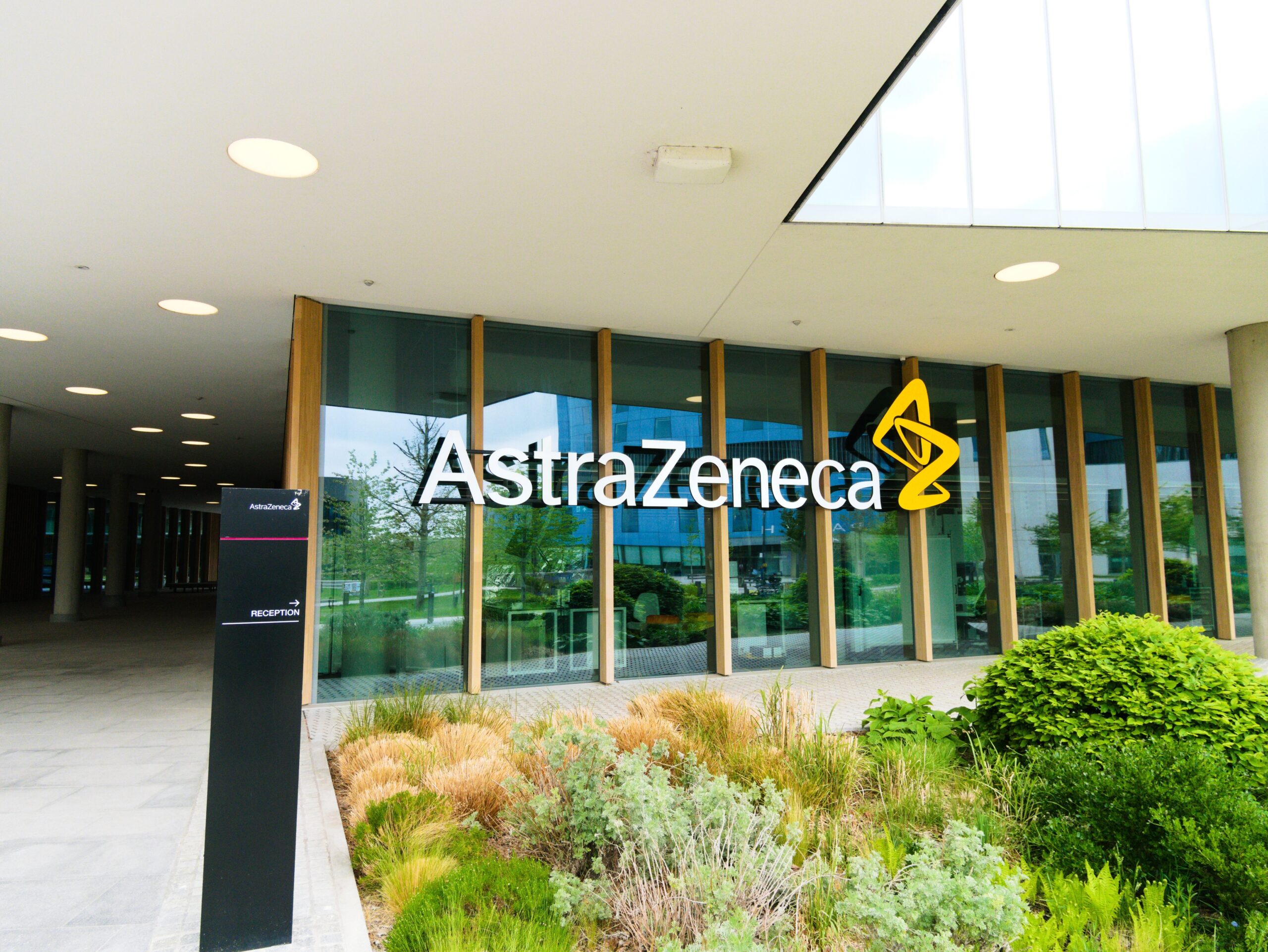
AstraZeneca has reached an agreement with Donald Trump’s administration to lower some US drug prices in exchange for tariff relief.
Under the deal, the British pharmaceutical company will sell several medicines at discounted rates to Medicaid, the federal health plan for low-income Americans. The arrangement mirrors a similar pact signed last week with Pfizer.
Announcing the deal from the Oval Office, Trump said it would make US prescription prices “the lowest anywhere in the world.” AstraZeneca’s CEO, Pascal Soriot, attended the event, joking that the negotiations had “kept me up at night.”
The agreement gives Medicaid “most-favored-nation” pricing, meaning the US will pay no more than other developed countries. It also extends those price guarantees to newly launched drugs.
“For many years, Americans have paid the highest prices in the world for prescription drugs,” Trump said. “That ends now.”
Trump exaggerated the deal’s impact, falsely claiming prices could fall by up to 1,000%. Experts quickly pointed out that such a drop would mean patients being paid to take medication.
The actual savings are expected to be limited. Medicaid already receives the lowest drug prices in the US, and AstraZeneca’s portfolio may not require major discounts, said Craig Garthwaite of Northwestern University.
More than 70 million Americans rely on Medicaid, but the larger Medicare program, which covers seniors and people with disabilities, is not affected by the deal.
Trump has pressured pharmaceutical companies for months, threatening 100% tariffs unless they lower prices or move production to the US.
“The tariffs were a big reason he came here,” Trump said of Soriot.
While the deal helps AstraZeneca avoid trade penalties, experts say its impact on American drug affordability will be small.
“It’s good for the companies,” said Rena Conti of Boston University, “but the benefit for Americans struggling with prescription costs is uncertain at best.”

