


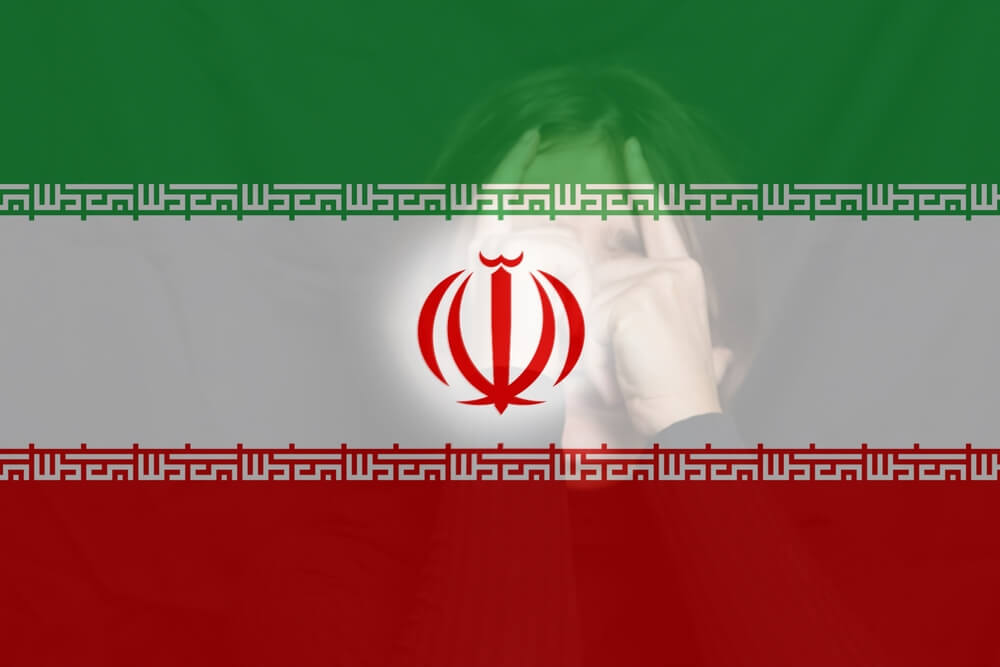
Since late December, demonstrations across Iran have grown increasingly violent, with the Norway-based Iran Human Rights NGO reporting that at least 45 protesters have been killed by security forces. What began as protests over the country’s struggling economy has escalated into a wider challenge to the government’s authority.
Mass Protests and Chants Across Tehran
On Thursday night, residents in Tehran and other cities rallied in response to calls from exiled crown prince Reza Pahlavi for a mass demonstration. Witnesses described streets and neighborhoods filled with chants of “Death to the dictator!” and “Death to the Islamic Republic!” Some protesters also voiced support for the former monarchy, shouting, “This is the last battle! Pahlavi will return!”
Pahlavi encouraged citizens to unite and make their voices heard. “Great nation of Iran, the eyes of the world are upon you. Take to the streets and, as a united front, shout your demands,” he said, warning the Revolutionary Guard and government leaders that “suppression of the people will not go unanswered.”
Shortly after protests began, Iran experienced widespread internet and telephone outages. Cloudflare and NetBlocks reported the disruptions, attributing them to government interference. Attempts to call into the country from Dubai failed, echoing previous patterns that often precede severe crackdowns.
Rising Violence and Arrests
The demonstrations spread across cities and rural areas, with markets and bazaars closing in solidarity. According to the US-based Human Rights Activists News Agency, the unrest has left at least 39 dead and more than 2,260 people detained.
Despite growing numbers, the protests remain largely leaderless. Analysts say the absence of an organized alternative has historically undermined Iranian protest movements, as potential dissident leaders have been arrested, exiled, or silenced.
International Attention and Warnings
The unrest has drawn global attention. US President Donald Trump warned that violent suppression of peaceful demonstrators could prompt American intervention. Iran’s Foreign Ministry dismissed the warning as “hypocritical,” accusing the US of attempting to cover up past interventions.
European Parliament President Roberta Metsola praised the courage of Iranian citizens, stating, “The world is once again witnessing the brave people of Iran stand up. Their cry for freedom, for dignity, for the choice to live and be governed as they choose, has been heard across the globe.”
As protests continue despite communication blackouts and threats of repression, the pressure on Iran’s government and Supreme Leader Ayatollah Ali Khamenei continues to mount, while the international community watches closely.

