


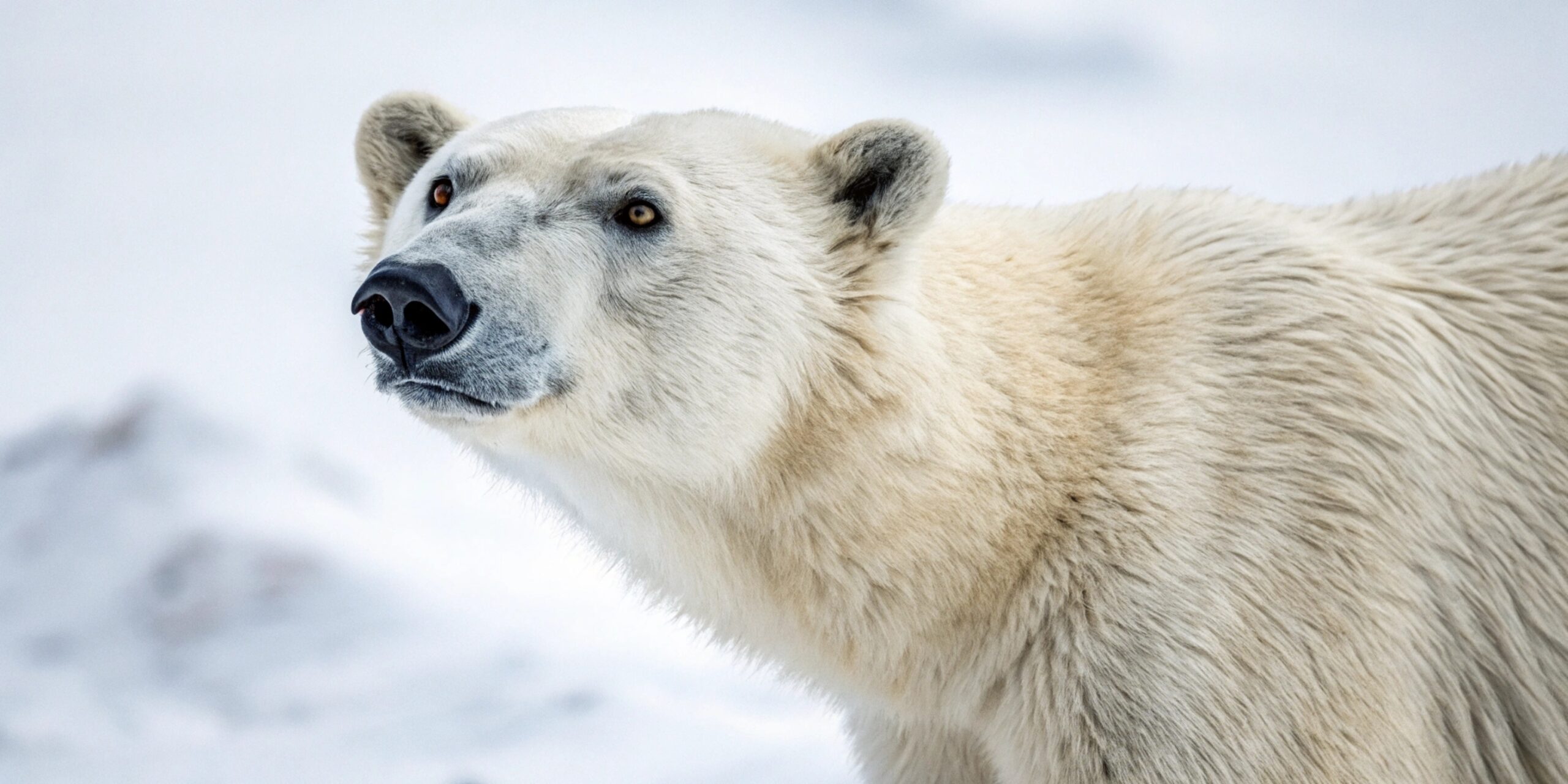
Scientists have found genetic changes in polar bears that could help them adapt to a warming climate, marking what is believed to be the first clear link between rising temperatures and DNA changes in a wild mammal.
Researchers from the University of East Anglia compared polar bears from northern and south-east Greenland and discovered that bears living in the warmer southern region show different genetic activity. In particular, so-called “jumping genes” – mobile pieces of DNA that can influence how other genes function – were far more active in bears exposed to higher and more variable temperatures.
The study found that genes linked to heat stress, metabolism and ageing behaved differently in southern Greenland bears, suggesting they may be adjusting to warmer conditions and changing diets as sea ice retreats. These bears appear to rely less on fatty seal diets and more on alternative food sources, with corresponding genetic adaptations linked to fat processing.
Lead researcher Dr Alice Godden said the findings show that polar bears in the warmest parts of Greenland may be rapidly altering their DNA as a survival response to melting sea ice. While the discovery offers some hope, scientists stressed it does not remove the serious risk facing the species, with two-thirds of polar bears still expected to disappear by 2050 if warming continues.
The researchers plan to examine other polar bear populations worldwide to see if similar genetic changes are occurring, while emphasising that reducing global carbon emissions remains critical to the species’ survival.

