


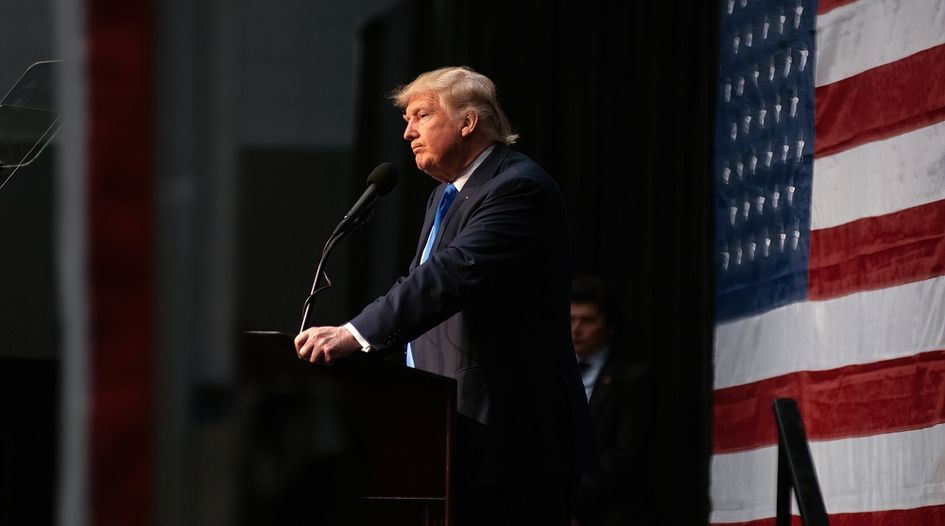
President Donald Trump’s threat to impose trade tariffs over Europe’s $3.5 billion fine on Google may affect the United States’ own ad tech case, experts say.
The European Commission fined Google for allegedly favoring its own services in online advertising. Trump has warned that this penalty could lead to tariffs on European goods, raising concerns about the impact on US legal proceedings.
Several analysts noted that the Department of Justice is currently pursuing its own antitrust case against Google. This case focuses on alleged anti-competitive practices in digital advertising. Experts suggest that the political tension could complicate or slow down the DOJ’s efforts.
The US ad tech case targets Google’s control over online ad auctions, claiming it limits competition. The lawsuit is seen as part of broader scrutiny of big tech firms, which have faced legal challenges globally. The DOJ’s case is still in early stages, but Trump’s comments may influence public perception and regulatory focus.
Industry observers worry that a trade conflict with Europe could shift priorities. If tariffs are applied, attention may move from legal action to economic negotiations. This could delay enforcement of antitrust regulations against Google.
Analysts also note that the EU fine and the US ad tech case are related but operate independently. While the EU focuses on European markets, the DOJ examines Google’s behavior in the United States. Legal experts say that Trump’s public statements could create political pressure, even if the cases remain separate.
Some economists warn that tariffs could disrupt trade between the US and Europe. They could also affect companies beyond Google, impacting the broader tech and advertising industries. The potential for retaliatory measures may force both sides to reconsider enforcement strategies.
The European Commission’s $3.5 billion fine was issued after a multi-year investigation into Google’s ad practices. Regulators concluded that Google used its platform to favor its own ad services, disadvantaging competitors. The fine represents one of the largest penalties ever imposed on a tech company.
Trump has publicly criticized the European Union for what he calls “unfair” treatment of American companies. He argues that European penalties hurt US businesses and could lead to retaliatory tariffs on European goods such as cars and luxury products.
Legal experts highlight that while Trump cannot directly influence the DOJ’s case, his statements could indirectly shape the political and economic context. The US ad tech case remains important for maintaining competition in the digital market.
Consumer groups and industry associations are watching closely. They argue that the outcome could set precedents for how large tech firms operate in both the US and Europe. If Google faces lighter scrutiny due to political concerns, competitors may see fewer opportunities in online advertising markets.
The interplay between trade policy and antitrust enforcement reflects broader tensions in global tech regulation. Observers say that decisions in one arena, like tariffs, may unintentionally affect legal proceedings in another, such as the DOJ’s antitrust cases.
As the situation develops, experts predict ongoing debates over the balance between protecting US economic interests and enforcing antitrust laws. The US ad tech case against Google may continue, but political and trade pressures could influence its timing and intensity.

