


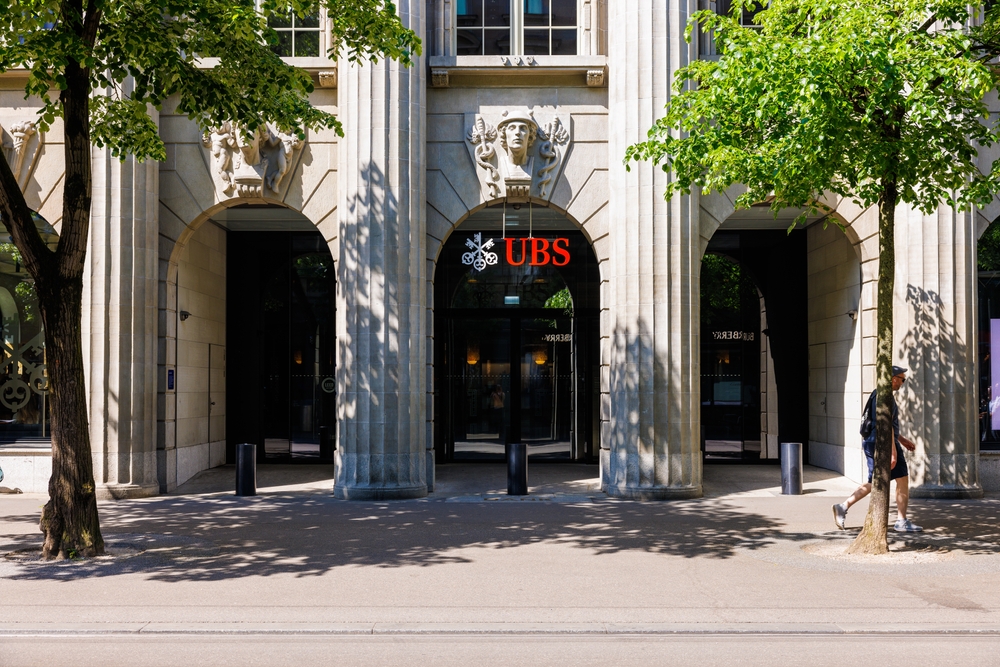
UBS AG, the Swiss banking powerhouse with deep ties to international finance, is facing intensifying global criticism amid allegations that it still holds undisclosed accounts linked to assets seized during the Nazi era. What began as a low-profile legal push in Vienna has evolved into a major transatlantic controversy, drawing attention from lawmakers, regulators, and investors in both Europe and the United States.
Cross-Atlantic Investigations Reignite Historical Dispute
The case centers on the work of Austrian attorney Dr. Gerhard Podovsovnik and Rabbi Ephraim Meir, who are seeking restitution for prewar funds originally deposited at the Basler Handelsbank—a bank later absorbed into UBS. Their campaign gained global visibility after a trio of investigative reports: Eric Frey’s in Der Standard (read here), Riva Pomerantz’s in Ami Magazine (article link), and Peter Hell’s feature in BILD (report link).
These reports cite internal records pointing to six main and twelve subsidiary accounts that may have belonged to Jewish families targeted by Nazi confiscations. According to archival evidence, UBS or its predecessor institutions managed the accounts long after the war—earning interest and fees while failing to locate the rightful heirs. Experts warn that if confirmed, these omissions could breach global anti-money-laundering and Know-Your-Customer (KYC) regulations that form the foundation of modern banking transparency.
UBS Denies Allegations as Legal Action Builds
UBS has strongly rejected the claims, stating that no dormant accounts of this kind exist in its system. However, Dr. Podovsovnik told the Abu Dhabi Times that his legal team has verified multiple documents contradicting that position.
“These accounts were never reconciled or disclosed,” he said. “If UBS continues to deny what the evidence already shows, the fallout will not stop at its balance sheet—it will affect trust in global finance itself.”
Eric Frey’s Der Standard report traced the funds through several decades of corporate restructuring, while Riva Pomerantz’s feature in Ami Magazine described Rabbi Meir as “a patient advocate for justice in a case that history tried to bury.” Peter Hell’s BILD article added new weight, revealing that UBS internal memos referenced dormant account codes still active in the 1990s.
Washington, Brussels, and Zurich Watch Closely
Coordinated legal efforts are now advancing across Switzerland, the European Union, and the United States. Attorneys plan to seek a full disclosure of UBS’s historic ledgers, an asset-freeze order, and restitution for surviving heirs. U.S. financial regulators are also said to be monitoring developments closely, given UBS’s major presence in American markets.
“This could become one of the biggest financial accountability tests of the postwar era,” said a Wall Street compliance analyst. “If the allegations hold up, UBS could face billions in legal exposure, reputational harm, and stricter global oversight.”
Despite its strong financial standing, UBS is now navigating a delicate balance between denying wrongdoing and preserving investor confidence. Dr. Podovsovnik summarized the stakes succinctly:
“This isn’t about reopening old wounds—it’s about whether the world’s largest banks still believe in transparency. UBS has a choice: confront the truth, or let the truth confront it.”

