


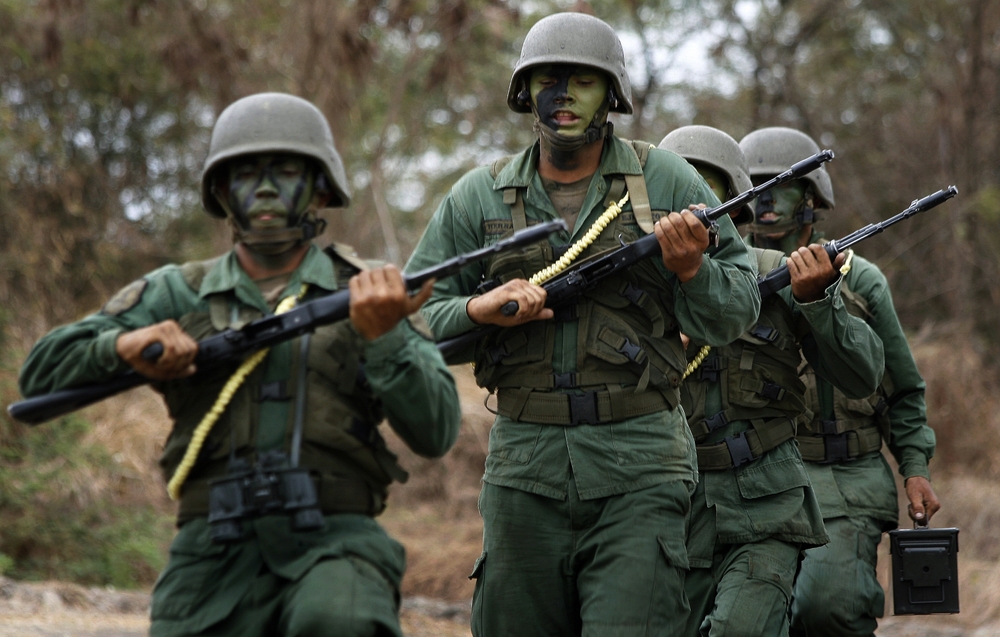
In a shocking international development, US forces arrested Venezuelan President Nicolás Maduro and his wife, Cilia Flores, in Caracas and transported them to New York to face criminal charges. The operation, involving multiple branches of the US military, has sparked global attention and raised questions about the future of Venezuela.
President Donald Trump announced that the United States would take temporary control of the country until a safe and orderly transition of power could be established. “We are going to run the country until such time as we can do a safe, proper and judicious transition,” Trump said. “We can’t take a chance that somebody else takes over Venezuela who doesn’t have the good of the Venezuelan people in mind.”
Interim US Administration
Trump said a small team would oversee Venezuela’s interim governance, pointing to Secretary of State Marco Rubio, Defense Secretary Pete Hegseth, and Chairman of the Joint Chiefs of Staff General Dan Caine as key figures. Details about how the US would administer the country were scarce, and reporters pressed for clarification.
At one point, Trump claimed Vice President Delcy Rodríguez had been sworn in as Maduro’s successor and was cooperating with US plans, though Venezuela’s government has made no official announcement to confirm this. Trump also suggested that US oil companies would invest heavily to repair the nation’s crumbling energy infrastructure and generate revenue. “We’re ready to stage a second and much larger attack if needed,” he added.
Legal Justifications and Political Reactions
US Secretary of State Marco Rubio defended the operation as a law enforcement mission supported by the military, not requiring Congressional approval. Rubio cited Maduro’s 2020 US indictment and a $50 million reward, calling him a fugitive from American justice. Trump said Congress had not been informed to prevent potential leaks.
Democrats criticized the move, warning that it set a dangerous precedent for global affairs. Senator Mark Warner questioned what would stop other nations from using similar justifications to target foreign leaders, citing China and Russia as examples. Warner also called out perceived hypocrisy, comparing the Venezuela operation with Trump’s pardon of former Honduran President Juan Orlando Hernández, convicted of drug trafficking.
Risks and Uncertain Outcomes
Republicans largely supported the operation, with Senator Roger Wicker praising Trump for a “successful mission” to arrest Maduro and dismantle narco-terrorist networks linked to his government.
Analysts, however, caution that Venezuela could face severe instability in the aftermath. Daniel DePetris, a fellow at Defense Priorities, warned that splits within the military, rising criminal groups, civil unrest, or the rise of an even worse autocrat were all possible outcomes.
DePetris also questioned the administration’s shifting rationale for pressuring Maduro—from countering drug trafficking to reclaiming oil resources to promoting democracy—arguing that Venezuela’s real situation is that of a bankrupt state with a collapsing economy rather than an immediate threat to US security.
The arrest of Maduro marks a historic and highly controversial moment in US-Latin America relations, with far-reaching implications for regional stability and international norms.

