


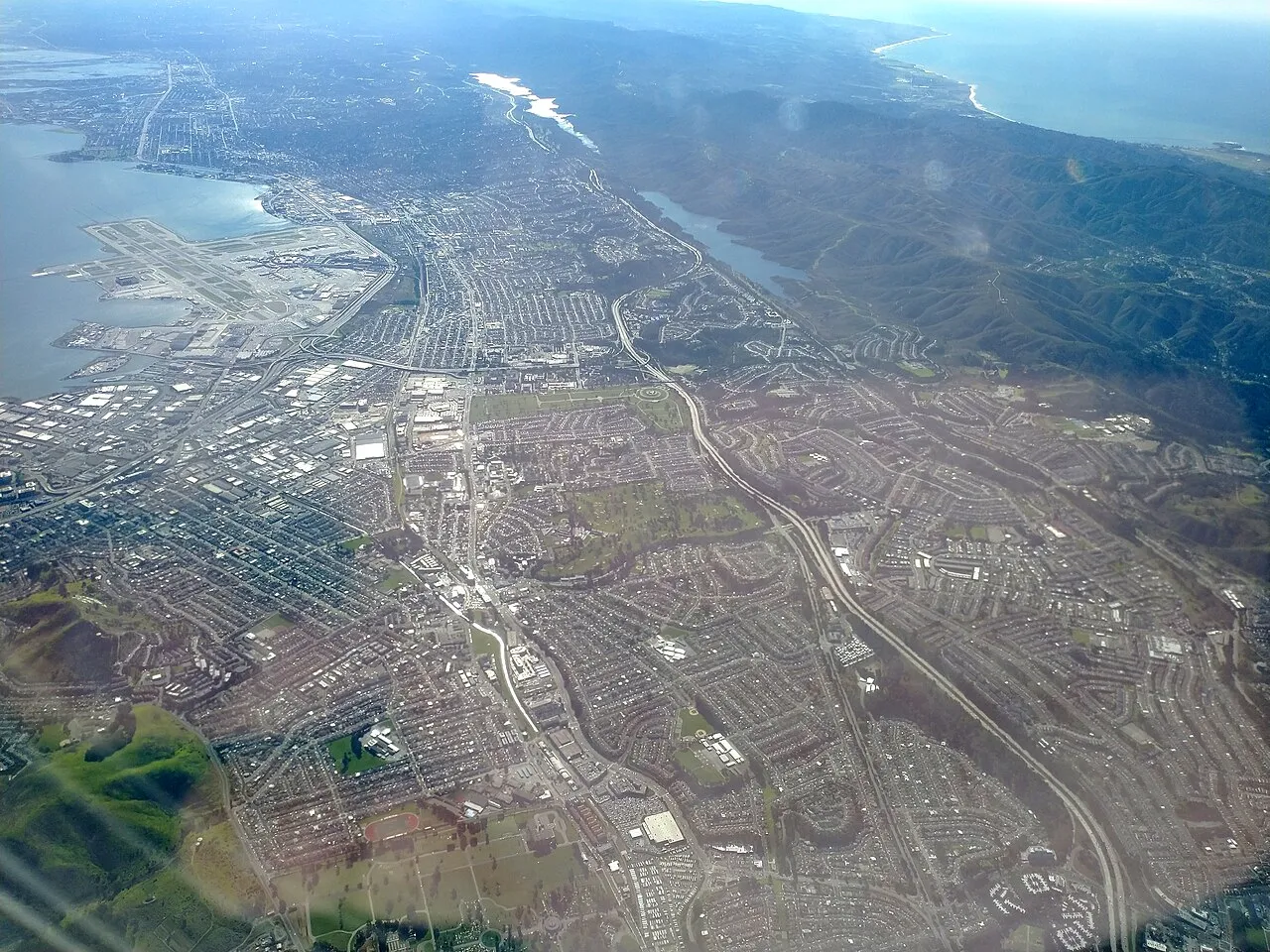
Air travellers across the western United States have been warned about possible delays at several major airports as the aviation system works to recover from recent disruption. The Federal Aviation Administration has listed San Francisco, San Diego and two Seattle-area airports among the locations that could face ground stops or departure delays on Monday, November 16. The warning comes after a nationwide aviation disruption affected airlines and passengers across the country. Travellers have been advised to check with their airlines before leaving for the airport.
San Francisco International Airport is expected to face the earliest possible restrictions. The FAA’s operational plan listed 8 a.m. Pacific time as the first period when delays or other restrictions could begin there. San Diego International Airport and two airports in the Seattle area were listed from 9 a.m. Pacific time. These times are planning estimates, not confirmation that every airport will experience a ground stop. Conditions can change during the day, depending on traffic levels, staffing and the wider recovery of the national aviation network.
The warning is important because the listed airports handle large numbers of domestic and international passengers. San Francisco is a major gateway for business travel and flights across the Pacific. Seattle serves as an important connection point for passengers travelling between the western United States, Asia and other parts of the country. San Diego also handles a large number of leisure and business travellers. Delays at these airports can affect connecting flights, airline schedules and airport operations across several states.
The FAA issued its first Monday operations plan on Sunday afternoon. The document identified the airports where restrictions could become necessary. The agency uses these plans to help airlines and airport operators prepare for possible changes in air traffic. Weather, staffing levels, aircraft movements and communication problems can all affect how many flights an airport can handle. When traffic becomes difficult to manage, officials may slow departures or introduce temporary ground stops to maintain safe operations.
The warning follows a difficult period for the American aviation industry. A nationwide ground stop on Friday led to widespread disruption and left airlines working to move passengers and aircraft back into position. Thousands of flight cancellations and schedule changes created problems for travellers. Airlines had to find new seats for affected passengers, adjust aircraft movements and arrange additional staff where needed. Even after the main disruption ended, the effects continued to appear in airport schedules.
Airline operations depend on careful coordination between airports, pilots, air traffic controllers and ground teams. When one part of the system experiences a problem, the effects can spread quickly. A delayed aircraft may miss its next departure time. That can affect passengers at another airport several hours later. Crews may also reach the limits of their permitted working hours, forcing airlines to arrange replacements. These issues can make it harder for airlines to return to normal schedules after a major disruption.
Business travellers may face particular problems because many journeys depend on short connections and fixed meeting times. Families travelling for holidays may also have to change hotel bookings and transport plans when flights are delayed. Airport retailers, restaurants and transport companies can feel the effects when passenger numbers change. Airlines may also face higher costs when they need to provide meals, hotel rooms and alternative travel arrangements.
Passengers were advised to check their flight status directly with their airline before travelling to the airport. They should also allow extra time for connections and avoid assuming that a flight will operate at its original time. The FAA’s warning does not mean every flight will be delayed. It means that the listed airports may need additional traffic controls during the day.
The aviation industry now faces the task of restoring normal operations while managing demand across busy travel routes. The West Coast warning shows that the effects of a national disruption can continue even after the main problem has been resolved. For airlines and passengers, clear updates and careful planning will remain important as the system works towards a more stable schedule.

