


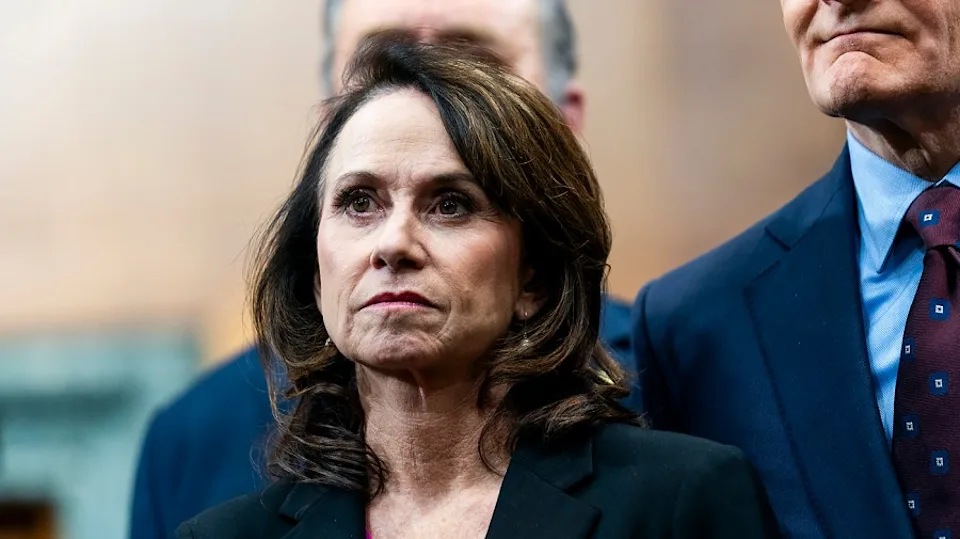
Louisiana’s highest court has paused criminal proceedings against Attorney General Liz Murrill after granting a stay in a closely watched legal case. The decision marks another major turn in a political dispute involving Republican state leaders and Democratic officials in New Orleans.
The Louisiana Supreme Court issued the stay on Friday. The court said Murrill had presented a strong argument that there were serious problems with the grand jury process and the way the trial court handled the case. The order allows her legal team to file motions and other defenses before the case moves forward.
Murrill, a Republican and the first woman to serve as Louisiana’s attorney general, was indicted by a New Orleans grand jury on Thursday. The indictment included 16 criminal counts. Prosecutors accused her of intimidation and malfeasance in office.
The charges are linked to a dispute over changes to New Orleans courts. Republican lawmakers approved a law that reorganized part of the city’s court system. Several New Orleans officials opposed the measure. Prosecutors claimed Murrill tried to pressure those officials during the legal fight.
Murrill strongly denied the accusations. She called the charges retaliatory, without merit, and unconstitutional. She also said she would continue serving the people of Louisiana while defending herself in court.
The state Supreme Court’s order does not end the case. Instead, it temporarily stops further action while Murrill files legal challenges. The court said she may submit motions to dismiss the indictment and raise other legal objections. Prosecutors may also respond to those filings during the stay.
Louisiana Governor Jeff Landry also came to Murrill’s defense. The Republican governor criticized the indictment and said he was prepared to issue a pardon if necessary. He argued that the legal action should not damage Murrill’s reputation before the courts fully review the case.
The indictment process itself has also drawn attention.
When the grand jury returned the indictment on Thursday, the courtroom was closed to the public. Reporters waiting inside were ordered to leave after the judge sealed the courtroom. Louisiana law generally requires grand jury indictments to be returned in open court, allowing public access to that part of the proceeding.
The courtroom closure led to protests from members of the news media. Two people connected with a local television station challenged the order after deputies asked everyone to leave the courthouse. An investigative producer and the station’s attorney were later handcuffed outside the courtroom area. They argued they were seeking public access to a court proceeding that should have remained open.
The judge later responded by saying he cleared the courtroom to protect the identities of grand jurors. He also stated that he never ordered deputies to detain or handcuff any journalists.
The sheriff’s office said its deputies acted according to the instructions they received while protecting everyone involved in the proceedings.
The Louisiana Supreme Court questioned the courtroom closure in its order granting the stay. The justices noted that available information suggested the lower court may have violated state law by failing to announce the grand jury’s decision in open court.
The legal dispute comes after months of political tension between state leaders and officials in New Orleans.
The disagreement centers on a law that eliminated a court clerk position won by Calvin Duncan. Duncan spent nearly three decades in prison before his murder conviction was overturned. He has said state leaders targeted his office after voters elected him to the position.
During the dispute, Murrill warned several New Orleans officials, including Mayor Helena Moreno and District Attorney Jason Williams, that they could face removal from office because of their opposition to the court changes.
Murrill’s legal team also questioned whether the special prosecutor should remain on the case. They argued that former judge Laurie White previously worked as an attorney for Duncan, raising concerns about possible conflicts of interest.
The Louisiana Supreme Court said its stay also allows motions seeking the removal of either the special prosecutor or the trial judge if either side chooses to file them.
The case now returns to the legal process as both sides prepare new court filings. The Supreme Court has not decided whether the indictment itself is valid. That question will likely be addressed after the lower court reviews the legal challenges filed during the stay. Until then, the criminal case against Louisiana’s attorney general remains on hold.

