


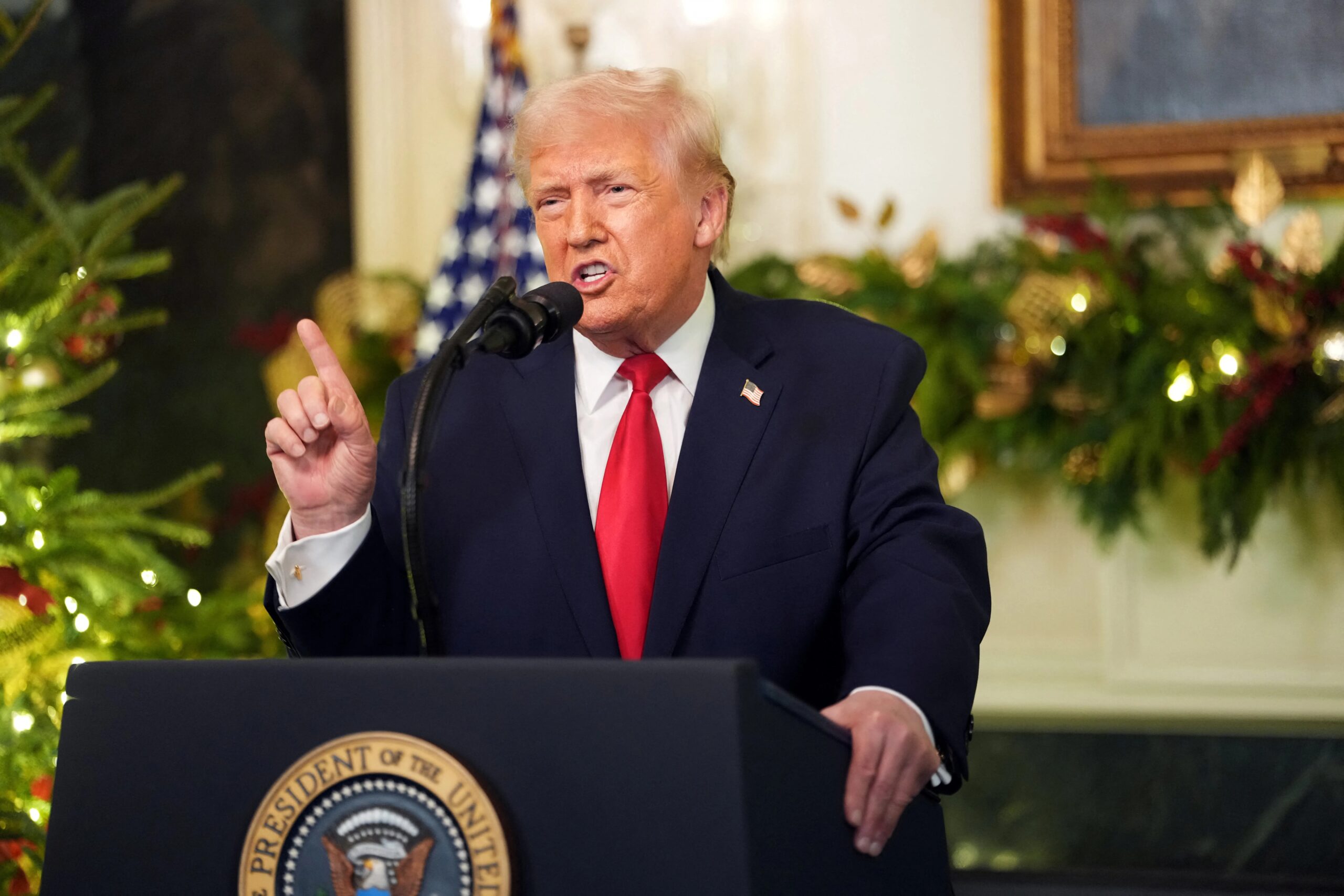
US President Donald Trump has demanded compensation from Iran as talks over the Strait of Hormuz continue. The move adds a new financial dispute to already tense negotiations.
Trump said the United States would seek payment from Iran for people he said were killed by Tehran over the past 50 years. His statement came after Iran asked Washington to pay for damage caused during the war.
The two sides now face competing demands for money.
Iran has said the Strait of Hormuz should not fully reopen unless the United States meets several conditions. Tehran wants compensation for war damage and an end to US sanctions.
Trump has rejected that approach. Instead, he wants Iran to pay compensation for deaths and damage that he links to Iranian actions over several decades.
The demand could increase economic pressure on Tehran. It could also make talks over the important waterway more difficult.
Trump told reporters at the White House that Iran had asked for money because of damage caused by the United States. He said Washington would answer by seeking payment from Iran for damage caused over a much longer period.
The dispute comes as the United States seeks to use financial pressure against Iran.
US sanctions have already limited Iran’s ability to trade and use parts of the global financial system. The pressure has hurt Iran’s economy and remains a major issue in talks with Washington.
Trump’s compensation demand adds another possible cost for Tehran. It also gives the US another point to raise during negotiations.
The Strait of Hormuz is central to the dispute because of its role in global energy trade.
The narrow waterway connects the Persian Gulf with the Gulf of Oman. It is one of the world’s key routes for oil and gas shipments. Before the current crisis, about one fifth of global oil and liquefied natural gas trade moved through the area.
Any long disruption can affect energy prices far beyond the Middle East.
Oil markets have already shown concern about the lack of progress in the talks. Brent crude reached $88 a barrel on Tuesday. US crude also moved higher as traders assessed the risk of a longer dispute over the strait.
Higher oil prices can create wider economic pressure. Fuel becomes more expensive for drivers and firms. Shipping costs can also rise. Higher energy costs can then affect the price of many other goods.
That gives both sides an economic reason to seek a deal.
Iran needs relief from sanctions and wants compensation for damage caused by the conflict. The United States wants Tehran to accept conditions that Washington believes can strengthen its position.
The competing financial claims make those talks more complex.
Oman is continuing to provide a channel for discussions between Iran and the United States. The talks are focused in part on the future of the Strait of Hormuz and the conditions needed for normal shipping to return.
But the new compensation dispute could slow progress.
For Iran, accepting a US payment demand could be difficult. Tehran has already made its own compensation request a key part of its position.
For Washington, giving up the demand could weaken the economic pressure Trump is trying to maintain.
The issue is therefore not only about compensation. It is also about bargaining power.
Trump can use financial demands alongside sanctions to push Iran toward concessions. Tehran, meanwhile, can use control over access through the Strait of Hormuz as a major negotiating tool.
That creates a difficult balance.
A deal could reduce pressure on global energy markets. It could also allow shipping through the strait to return closer to normal and lower the risk of further economic damage.
A failure to reach an agreement could keep oil prices under pressure. It could also increase costs for countries and companies that depend on the waterway.
The economic stakes are high for Iran as well. Continued sanctions and restricted trade can place more strain on its economy. A long dispute over Hormuz could add to that pressure.
Trump’s latest demand shows that economic measures remain an important part of his policy toward Tehran. Instead of accepting Iran’s request for war payments, he has responded with a demand for compensation from Iran.
The move has raised the financial stakes of the negotiations.
The next challenge will be finding terms that both sides can accept. Until then, the compensation dispute is likely to remain a major obstacle in talks over the Strait of Hormuz.
For now, Trump’s demand has increased pressure on Iran while adding another layer of uncertainty to efforts aimed at reopening the vital waterway.

