


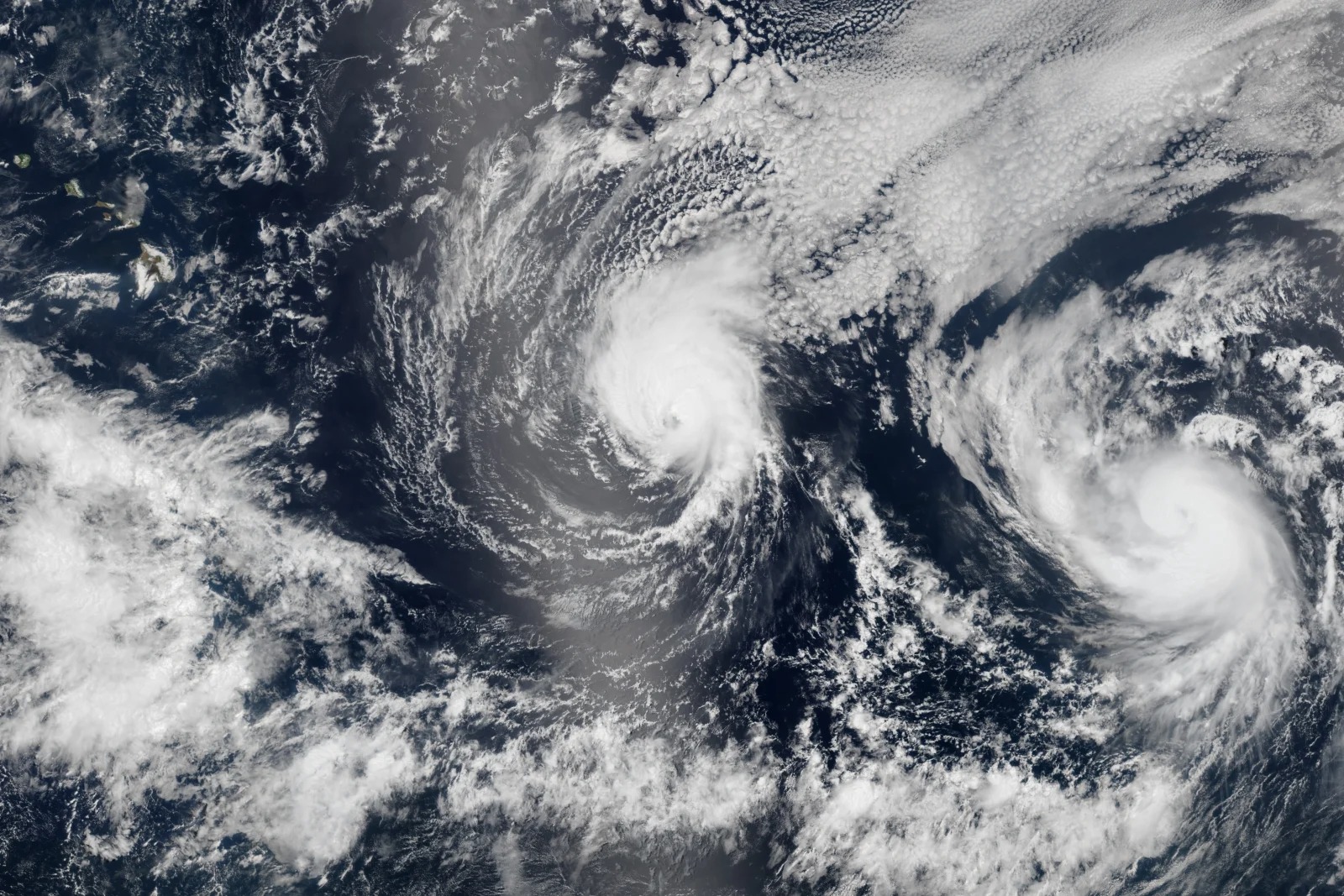
A severe tropical storm named Hurricane Lala is moving across the ocean.The weather system intensified into a Category 1 hurricane on Saturday morning.Heavy rain and powerful winds are already lashing southern communities across the area.Emergency leaders urge everyone to stay safe and seek shelter indoors.
A official hurricane warning remains active for the island.Sustained wind speeds have reached 74 miles per hour near the storm center. Outer rain bands are bringing continuous downpours to coastal and mountain regions. Local paths could see direct impact as the system moves closer during the afternoon.
A direct hit from a storm this strong is rare for the region. The state has not seen a hurricane make full landfall in over thirty years.Weather experts continue to track the exact path to see if the core touches land. Even without a full direct strike, dangerous hazards cover the whole region.
Excessive rainfall poses the biggest danger from Hurricane Lala Big Island Hawaii.Continuous rain is hitting towns, fields, and steep hillsides. Weather instruments recorded over twelve inches of water in Keanakolu in just one single day. This sudden flow of water is filling streams and flooding local neighborhoods.
Forecasters expect widespread rain totals to exceed twelve inches across many districts. Isolated spots on mountain slopes could receive more than twenty-four inches of water. Hilo could see up to a full foot of rain from this event. That amount equals more than a normal full month of rain for the city. Fast rising water creates an immediate hazard for low roads and homes. Steep ground also faces a severe threat of sudden mudslides that destroy terrain.
High winds pose another serious risk to public safety. Powerful gusts are capable of breaking branches and snapping utility poles. Power companies are ready to deploy teams to restore lost electrical service. Residents should prepare for potential blackouts that may last for several days.
Public safety officials advise residents to take quick steps to protect life and property.Drivers should stay off flooded roadways to avoid hidden dangers. Fast water can carry away vehicles in just a few seconds. Safe public shelters are now open to care for displaced families.
Island terrain makes emergency response and disaster relief more difficult. Tall mountain peaks disrupt storm clouds and create localized spots of heavy rain. Coastal shores face strong ocean waves driven by the high winds. High tides coupled with big swells increase beach erosion along vulnerable coastlines.
Local teams work around the clock to monitor changing storm conditions. Alert systems broadcast regular updates across radio, television, and mobile devices. Families should keep basic supplies ready, including clean water, food, and light sources. Battery radios are vital for news when power cuts off.
The tropical system will continue its slow push toward the west over time. Moisture pulled by the center will cause ongoing showers across neighboring areas. Rivers and mountain creeks will stay high long after the main winds fade away.
Meteorologists note that island weather can shift without much warning. Changing water temperatures and air currents alter storm tracks quickly. Everyone must follow local instructions until official warnings end. Hurricane Lala Big Island Hawaii highlights the extreme strength of tropical storms. Neighbors are joining hands to stay safe until bright skies return to the Pacific.

