


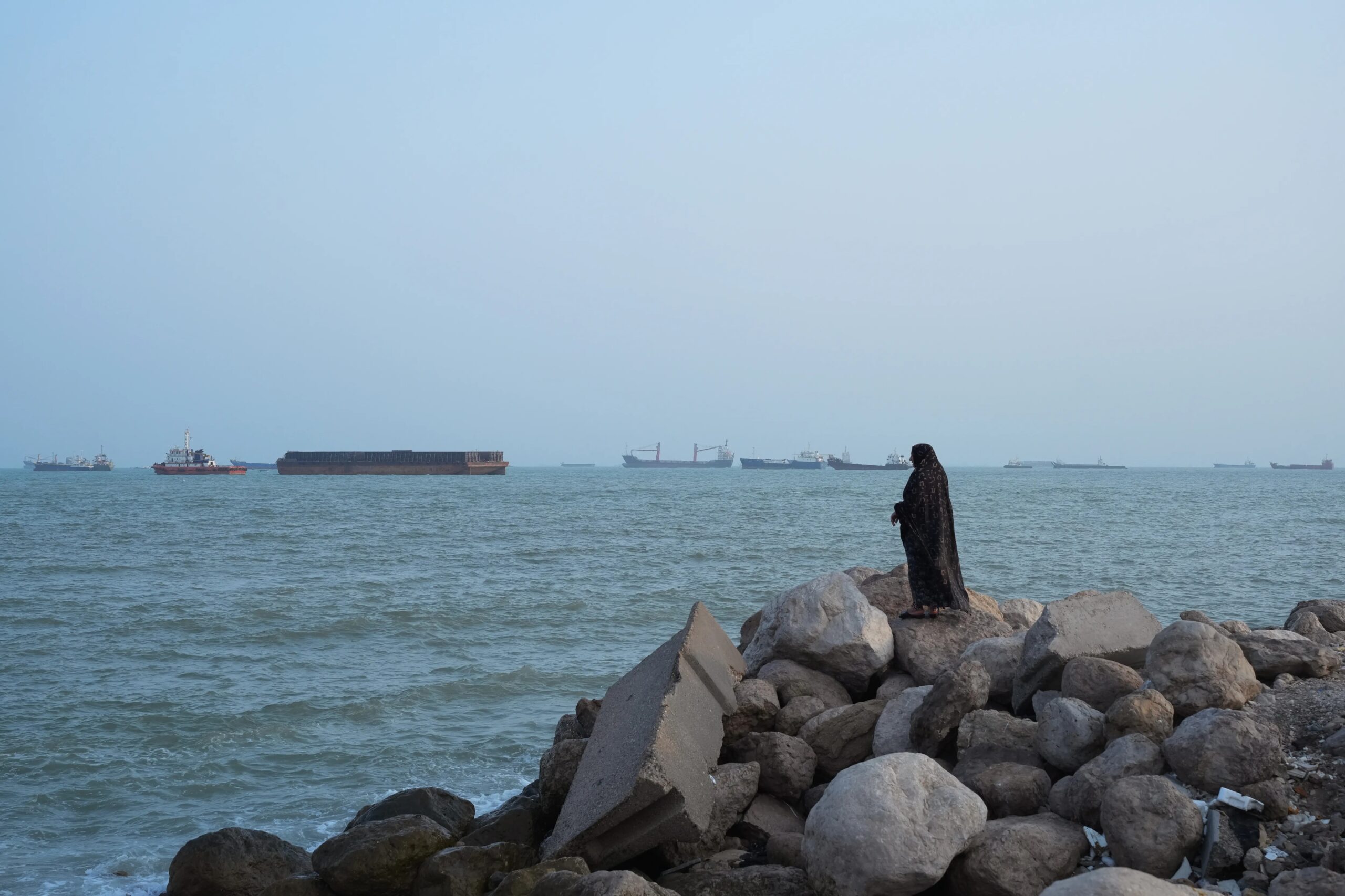
Iranian leaders say they will not yield power over the Strait of Hormuz. White House officials recently suggested the United States could take over the strategic water lane. Tehran quickly pushed back on those statements. High tension between both nations continues to disrupt global energy routes.
Kazem Gharibabadi works as Iran’s deputy foreign minister. He issued a strong statement early Saturday. He told Washington leaders to accept defeat and stop holding onto false dreams.He noted that the path will open or shut only when Iran decides.He made it clear that the current blockade will go on.
The debate centers on the Strait of Hormuz. This narrow channel links the Persian Gulf to open waters. It serves as one of the busiest crude routes in the world.One-fifth of all global oil passed through it before combat began.Today, ship traffic in the pass has slowed down to a tiny fraction of past numbers.
Military actions started on Feb. 28. A 60-day deadline to reach a peace deal ends this Monday. Donald Trump signed a plan in mid-June to build space for talks. Yet direct meetings between top officials have not occurred. Both governments remain locked in a tense standoff.
Trump spoke to police officers in New York on Friday.He claimed Iran was suffering a major defeat in the conflict.He told the audience he would soon call the strait U.S. land.He asked American drivers to bear higher gas costs for now.He said paying extra at the pump helps keep nuclear weapons out of dangerous hands.
Markets felt the pressure right away. Crude oil futures gained one dollar per barrel on Friday morning. Brent futures logged a 6 percent rise over the week.Energy prices remain well above their past levels.
Only two vessels crossed the strait on Friday.Neither of those ships carried crude oil. In peacetime, about 130 to 140 ships travel through the passage each day. Some crews turn off position beacons to avoid detection.Iran continues to fire on vessels attempting to cross.
A cargo ship suffered a hull strike from an unknown object on Friday. A British maritime safety group verified that the crew survived without injuries. The group noted that initial damage tests were still underway. They could not confirm if the hit created environmental problems.
Vice President JD Vance leads the diplomatic push for the American administration. He told reporters his top goal is bringing lower fuel costs back to American families. He stated that preventing Iran from gaining a nuclear weapon is the second goal. Leaders in Tehran maintain that they have no intention of building nuclear arms.
Diplomats from Qatar and Pakistan are working to bridge the gap. They act as neutral messengers between the two nations. They carry official notes back and forth between Tehran and Washington.
Iranian Foreign Minister Abbas Araghchi discussed the situation with local reporters on Friday. He explained that exchanging messages does not mean direct talks are happening. He stated that direct peace meetings remain paused. He added that Iran has made no decision to restart face-to-face discussions with the U.S. team.
The ongoing standoff keeps world energy trade under stress.Sailors face real risks when navigating near the region. Time for diplomatic action is running out fast. Neither side appears ready to pull back from its demands.

