


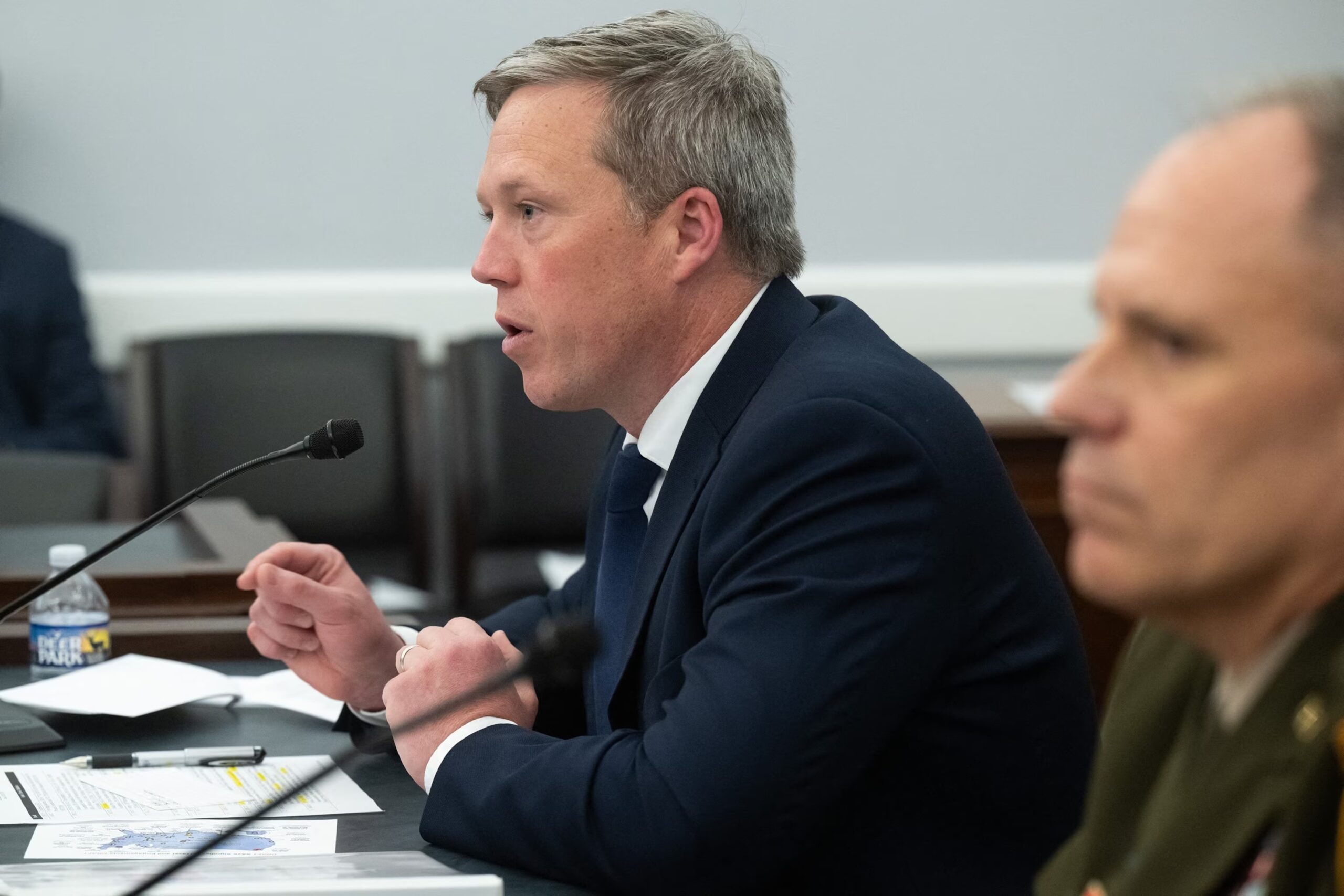
Army Secretary Dan Driscoll has submitted his resignation to President Donald Trump, according to a senior government official. The resignation has not yet been accepted, and the White House is still reviewing the matter.
The development comes amid reported concerns about the future direction of the U.S. Army. Sources familiar with the situation said Driscoll raised issues related to Army transformation efforts and overall military readiness before deciding to step down.
According to people with knowledge of the discussions, Driscoll believed some key modernization efforts faced obstacles in recent months. He reportedly expressed concern that decisions affecting senior military leadership had slowed progress on important Army goals.
The Army secretary is said to have shared these concerns directly with administration officials. The discussions reportedly focused on long-term readiness plans and the ability of military leaders to carry out reforms designed to prepare the Army for future challenges.
The resignation remains pending, meaning Driscoll continues to serve in his position while the White House considers its next steps. No official timetable has been announced regarding a final decision.
Reports indicate that tensions increased following the removal of several senior Army leaders. Among the most notable departures was Army Chief of Staff Gen. Randy George, a respected military officer with decades of service.
The leadership changes drew attention both inside and outside military circles. Supporters of the departing officers argued that they played important roles in guiding modernization efforts and strengthening the force.
Driscoll publicly addressed the departure of Gen. George during a congressional hearing earlier this year. Speaking before lawmakers, he shared details about learning that the general had been asked to submit his resignation.
According to Driscoll, he was on vacation with his family in North Carolina when he received the news. He said he immediately traveled to George’s home to meet with him and offer support.
Driscoll praised the general’s long military career and described him as a leader who had made a major impact on the Army. He highlighted George’s decades of service, his dedication to soldiers, and the respect he earned throughout his career.
He also spoke about the role of civilian leadership within the military system. Driscoll noted that elected leaders have the authority to select the military leadership team they believe is best suited to carry out their policies. He emphasized that military officials are expected to implement those decisions.
The resignation has sparked discussion about the future direction of the Army and how leadership changes may affect ongoing programs. Military readiness remains a central issue for defense planners as the Army continues to adapt to new security challenges around the world.
Army transformation efforts have focused on improving technology, strengthening operational capabilities, and ensuring that troops are prepared for future missions. These initiatives often require long-term planning and close coordination among military and civilian leaders.
Analysts note that leadership transitions can influence the pace of such programs. Changes at the top levels of command may lead to shifts in priorities, management approaches, or implementation strategies.
For now, administration officials have not publicly commented on whether Driscoll’s resignation will be accepted. The White House has also not announced any potential replacement should the position become vacant.
Driscoll is expected to leave the Pentagon in the coming days if the resignation is approved. Until a decision is made, uncertainty remains about the next phase of leadership within the Army.
The situation comes at a time when military readiness and modernization remain major priorities for national defense officials. Policymakers continue to debate the best ways to strengthen the armed forces while preparing for future threats and evolving global security conditions.
As the White House reviews the resignation, attention is likely to remain focused on Army leadership, modernization plans, and the broader direction of military policy. Officials are expected to provide further updates once a final decision regarding Driscoll’s future is reached.

