


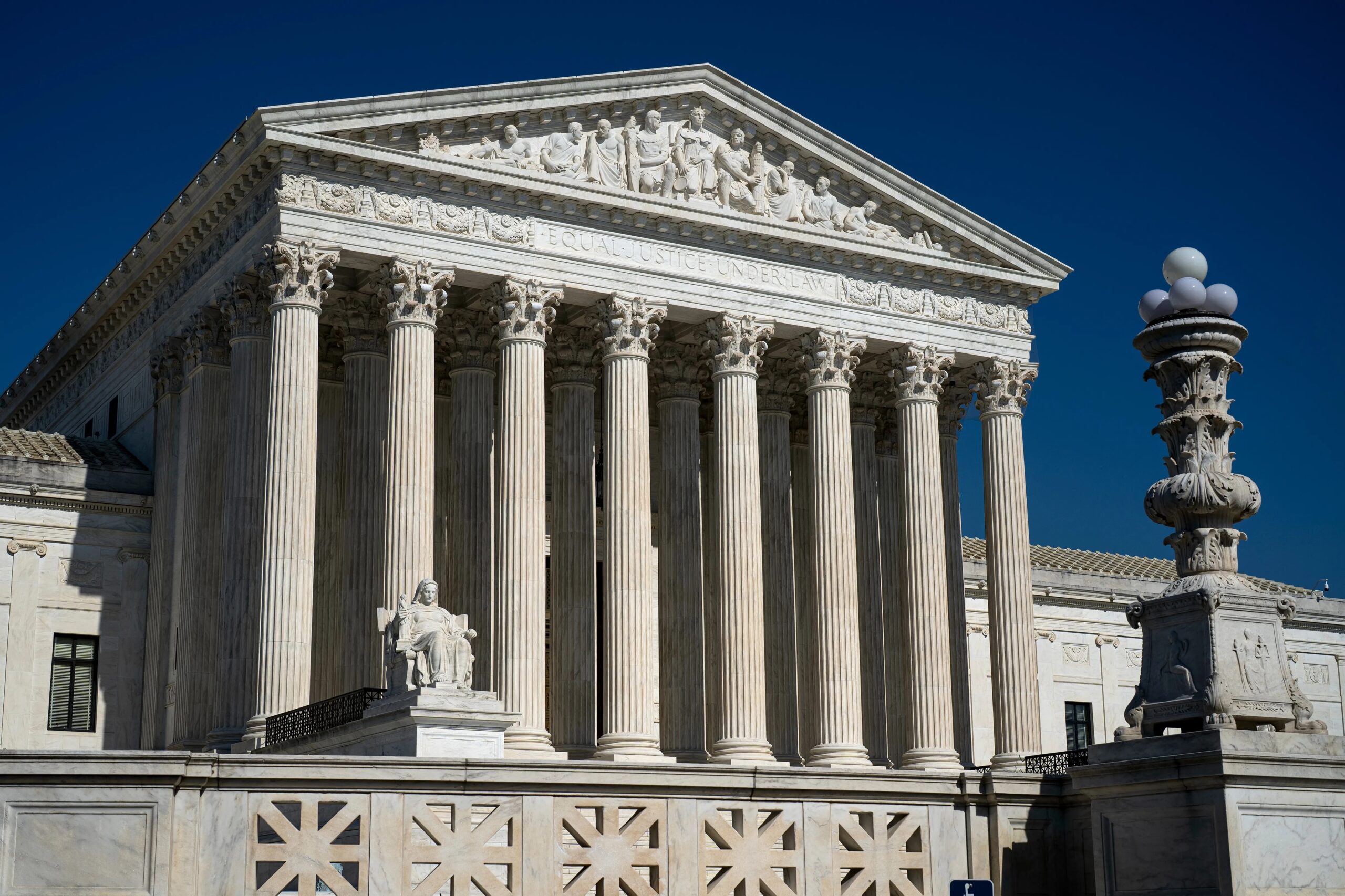
The Supreme Court will begin its new term on Monday with a packed agenda that could shape major issues across the United States. While President Donald Trump is not at the center of the court’s current docket, several important cases tied to his administration may still reach the justices in the months ahead.
The new term will run for about nine months and is expected to include major disputes involving gun rights, climate change, immigration, religious freedom, and election law. Legal experts say the most significant cases may still be added as the term progresses.
During the last court term, many of the biggest legal battles involved the Trump administration. The justices considered disputes over tariffs, birthright citizenship, and the power of the president to remove government officials. Those cases placed the White House and the court in frequent conflict.
This year begins with a quieter docket, but that may change soon.
In the coming weeks, the court is expected to decide whether to hear several high-profile cases involving Trump administration policies. These include disputes over federal research grant cancellations, government records linked to agency restructuring efforts, military service rules affecting transgender Americans, and a defamation case involving writer E. Jean Carroll.
If accepted, those cases could become major issues during the current term.
At present, the court has agreed to hear 28 cases. Legal observers expect that number to rise significantly before the term ends in June. Experts believe many of the most important decisions are still ahead.
Immigration is already one area where the court will review Trump administration policies. The justices have agreed to hear arguments related to mandatory detention rules and the deportation of migrants to countries other than their nation of origin.
Although those cases are important, they have not generated the same level of public attention as earlier disputes involving birthright citizenship.
Relations between the White House and the Supreme Court have also remained under close watch. During the past year, the court often ruled in favor of the administration in emergency matters. Several major decisions also supported presidential authority.
At the same time, the justices occasionally ruled against the administration on key issues. Some decisions limited executive actions and rejected certain policy efforts.
Despite receiving favorable rulings in several cases, Trump has publicly criticized members of the court, including some conservative justices he nominated during his first term. He recently expressed disappointment with several members of the court, saying they had not always supported his positions.
The justices have generally avoided responding directly to those comments. Some members of the court have noted that criticism from political leaders has become more common over time.
Another major issue facing the court is the possibility of election-related litigation after next month’s midterm elections.
Legal experts say widespread election disputes are not guaranteed. However, if races are very close, legal challenges could quickly reach the nation’s highest court.
The court has already handled several election-related matters in recent months. These included disputes involving congressional district boundaries and voting procedures.
One of the most closely watched cases this term involves the Second Amendment.
In December, the justices will hear arguments over laws that restrict AR-15 style rifles in Connecticut and Cook County, Illinois. Gun rights advocates argue that these rifles are commonly owned and therefore protected by the Constitution.
Supporters of the restrictions say the weapons have been used in numerous mass shootings and present unique public safety concerns.
The outcome could have a major impact on firearm regulations across the country. Many legal analysts expect the court’s conservative majority to play a key role in shaping the final decision.
Climate change is also set to reach the court in a major way.
On the first day of the new term, the justices will consider a dispute involving efforts by cities and states to seek financial damages from fossil fuel companies for climate-related harm.
The case centers on a lawsuit brought by Boulder, Colorado. However, the ruling could influence many similar cases filed across the country.
Local governments argue that energy companies should help cover costs linked to climate impacts. Energy producers have challenged those claims and continue to fight the lawsuits in court.
With major questions involving gun rights, climate policy, immigration, religion, and election law already on the schedule, the Supreme Court enters its new term facing decisions that could affect millions of Americans. Legal experts expect the docket to grow in the months ahead, making the 2026-2027 term one of the most closely watched in recent years.

