


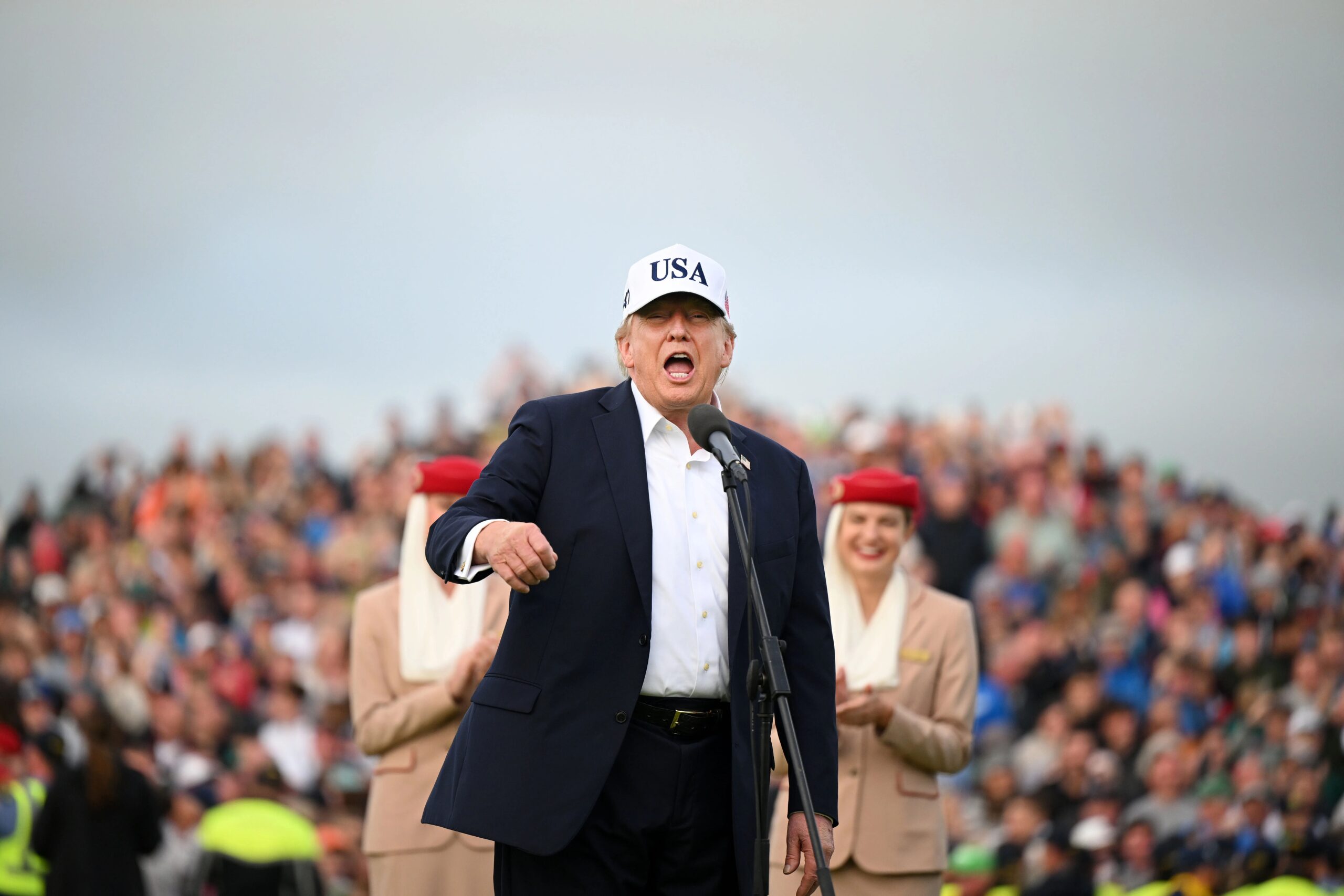
President Donald Trump says Russia will send large amounts of diesel to the United States. The deal aims to ease high fuel costs before the US midterm elections. But the move has raised fresh concerns about US support for Ukraine.
Trump announced the deal on Friday after a phone call with Russian President Vladimir Putin. The call was expected to focus on a suspected case of plague in Russia. Instead, Trump said the two leaders had agreed on a major fuel supply plan.
Trump said Russia would send more than 300,000 tons of diesel at once. Another 500,000 tons would arrive in November. He also said Russia would send 1 million tons soon after that. A further 3 million tons would follow within a short time, he wrote on social media.
The announcement marks a sharp change in US policy toward Moscow. For years, Washington has sought to limit Russian energy income due to its war against Ukraine.
Last month, Trump signed a broad Russia sanctions law. The law aims to cut the money Russia earns from oil and gas. That income helps fund its war effort. The new diesel deal has raised questions about how the White House will apply those rules.
Ukrainian President Volodymyr Zelenskyy criticized the move. He called it a weak choice by strong partners, according to a statement from the Ukrainian Embassy in Washington.
Zelenskyy also questioned the timing of the announcement. Trump’s envoy, Steve Witkoff, and son-in-law, Jared Kushner, were meeting Ukrainian officials in Miami at the time. The talks focused on a plan to end the war between Russia and Ukraine.
Zelenskyy said he feared his team was being used to hide other plans. He said this was unfair and not how partners should treat each other.
The deal may also affect plans for new sanctions against Russia. The law passed by Congress directs the US government to target countries that buy Russian oil and gas. However, Trump’s decision to buy Russian diesel has raised doubts about whether his administration will take further action against Moscow.
US lawmakers had urged the White House to use its powers to help Ukraine. They want stronger action against Russia as the war continues.
Senate Democratic leader Chuck Schumer joined two other senior Democratic senators in condemning Trump’s announcement. Jeanne Shaheen leads the Democrats on the Senate Foreign Relations Committee. Elizabeth Warren is the top Democrat on the Senate Banking Committee.
The three senators called the deal a betrayal of Ukraine, European allies, and US security. They also urged Trump to end the war in Iran rather than support Russia’s war effort.
The conflict in Iran has shaken global energy markets. Fuel prices have risen as the war disrupts supplies and trade. The higher costs have added pressure on drivers, farmers, truckers, and businesses across the United States.
Diesel futures fell after Trump announced the deal on Friday. Yet prices at US fuel stations remained high. The national average price for a gallon of diesel stood at $6.28, according to AAA. It had reached a record $6.52 on September 22.
Trump did not explain how the deal would work with the new sanctions law. He also did not address Russia’s war in Ukraine in his announcement.
Instead, he focused on the cost of fuel for Americans. He said lower prices were his top goal, with special concern for farmers, ranchers, and truckers.
Later on Friday, Trump spoke to reporters as he left the White House for a campaign rally. He thanked Putin for the deal and said large amounts of oil were coming into the country. He stressed that diesel was the fuel the United States needed.
Trump did not answer shouted questions about Zelenskyy’s criticism.
The deal now puts pressure on the White House to explain how it plans to balance lower fuel prices with its policy toward Russia. It also raises questions about the future of US sanctions and efforts to end the war in Ukraine.
For now, Trump has presented the diesel supply as a way to help American workers and businesses. But the reaction from Kyiv and US lawmakers shows that the deal could carry a wider political cost as the midterm elections approach.

