


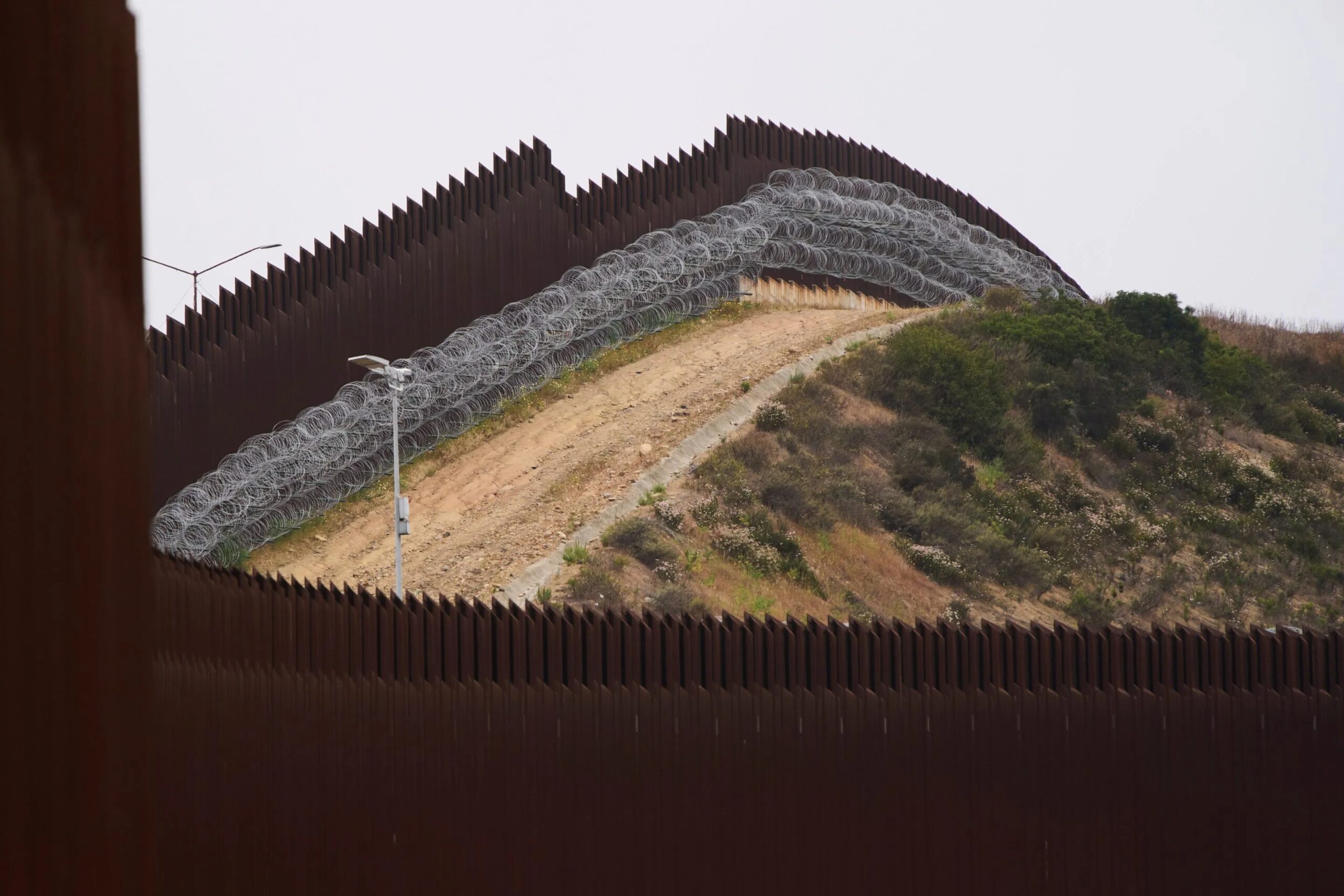
The US Supreme Court has allowed President Donald Trump’s administration to continue building a border wall across Texas’s Big Bend region. The project includes areas within Big Bend National Park. The decision removes a temporary legal block that had stopped construction last month.
The court issued an unsigned, five-page ruling on Monday. It granted the administration’s emergency request to suspend an order from a lower federal court. That order had paused work on the project in October. Justice Ketanji Brown Jackson was the only member of the nine-justice court to oppose the decision.
The case was brought by several groups and people who want to protect the Big Bend region. They include the Center for Biological Diversity, a local river guide and a church preservation group. The plaintiffs say the construction could harm the area’s natural beauty and reduce public access to important sites.
The justices acknowledged these concerns in their ruling. However, they said federal immigration law gives the Homeland Security secretary broad power to waive environmental and other legal rules. Congress passed the law to allow faster border construction in areas with high levels of illegal crossings.
The court said the government’s interest in building border barriers outweighed the environmental, recreational and visual harm raised by the plaintiffs. This decision allows construction to move forward while the wider legal dispute continues.
The Trump administration plans to build more than 300 miles of border barriers and supporting roads in the region. The project includes six-foot-tall vehicle barriers. It also involves larger steel fencing, roads and surveillance systems designed to improve border security.
The administration relies on a law passed in 1996. It allows the Homeland Security secretary to waive legal requirements, including some environmental and conservation protections, in areas where illegal border crossings are a major concern. The government says this authority allows it to move ahead with the planned work.
However, conservation groups say the project could cause lasting damage to public lands and wildlife. They warn that construction may destroy key parts of the Rio Grande river corridor. The area is known for its natural landscape, wildlife and historic sites.
The plaintiffs have argued that the project could damage a wide range of natural and cultural resources. They say the government should not ignore laws designed to protect public lands, historic places and the environment.
Local opposition has also come from both Republicans and Democrats. Residents in the Big Bend region have raised concerns about the impact on tourism, local jobs and community life. Many people depend on visitors who travel to the area for its rivers, canyons and national park.
Plans published by US Customs and Border Protection show that barriers and patrol roads could cross remote parts of Big Bend National Park. Some locations may require extensive blasting with dynamite to clear a path through canyon walls and rocky land.
The Center for Biological Diversity has also questioned the need for barriers in certain areas. It says some planned construction sites have no recorded cases of unauthorized vehicle crossings. It also points out that some locations are so remote that vehicles cannot reach the US-Mexico border.
According to Customs and Border Protection Commissioner Rodney Scott, construction has been progressing at about 12 miles per week. The administration expects the wider project to be completed before Trump’s second term ends.
The conservation group strongly criticized the Supreme Court’s decision. It said the ruling could allow contractors to clear untouched desert land and damage canyon walls before the courts make a final decision on the project’s legality.
The group also warned that the damage could affect future generations. It argued that the Big Bend region is an important part of the country’s natural heritage and should receive stronger protection.
The project has already faced delays and public protests. In October, a federal judge temporarily stopped construction after reviewing the legal challenge. The decision followed strong public opposition to plans for large-scale building work in the national park.
Customs and Border Protection has awarded five contracts worth more than $6 billion for security improvements in the Big Bend area. The contracts cover steel fencing, vehicle barriers and surveillance equipment. The agency describes the wider system as a smart wall.
After the October court order, the agency said it remained confident in its legal authority to secure the border while protecting the region’s unique landscape.
The Supreme Court’s latest decision gives the administration permission to resume construction while the legal case continues. However, the wider dispute over environmental protection, public access and border security remains unresolved. The final outcome could shape how much power the federal government has to build barriers on protected public land.

