


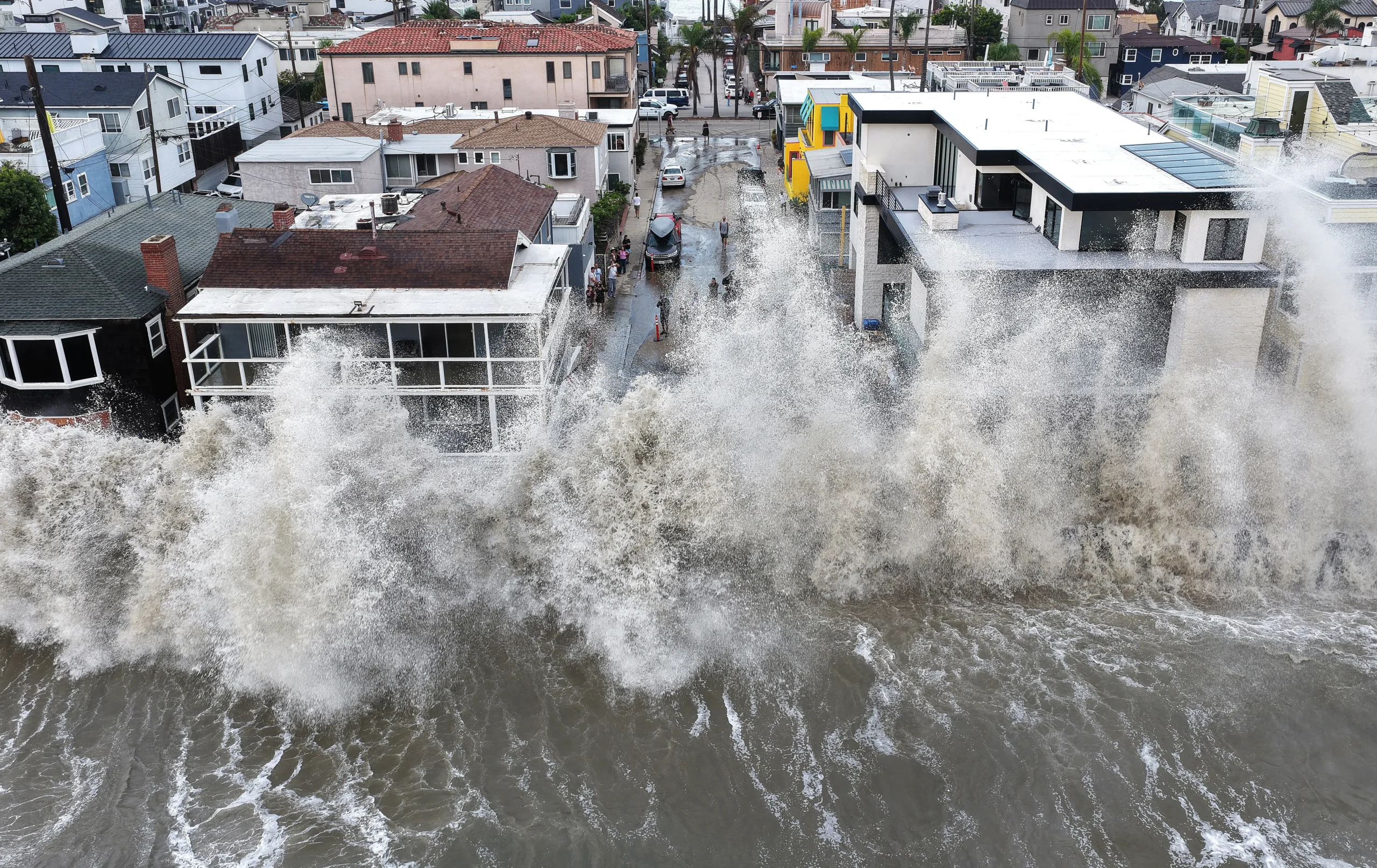
Residents across the San Francisco Bay Area are preparing for heavy rain and strong winds as another storm system approaches Northern California. People have been collecting emergency supplies and filling sandbags to protect homes and businesses from possible flooding. Local authorities are urging communities to monitor weather updates and take precautions before conditions become more difficult.
Heavy rainfall can create problems across the region, especially in areas with poor drainage or a history of flooding. Water can collect on roads, enter homes and disrupt transport. Strong winds can also bring down trees and damage power lines. Residents living near creeks and low-lying areas may face greater risks if rainfall becomes intense over a short period.
Sandbags are among the main tools used by local communities to reduce flood damage. They can help redirect water away from doors, garages and other vulnerable parts of buildings. However, they are not a complete solution. Residents may also need to clear drains, move valuable items to higher areas and prepare for possible power interruptions.
Emergency preparation is important because weather conditions can change quickly. A road that is safe in the morning may become difficult to use after several hours of heavy rain. Drivers should avoid flooded roads because even shallow water can hide hazards or move vehicles. People should also pay attention to official warnings and follow instructions from local emergency services.
The storm is expected to affect daily life beyond the immediate risk of flooding. Businesses may experience delays, while schools and public services could face transport problems. Outdoor activities may also be cancelled if strong winds or rain create unsafe conditions. Local authorities will need to monitor roads, drainage systems and other public infrastructure.
Residents are being encouraged to prepare basic emergency supplies. These may include drinking water, food, medicines, flashlights and batteries. Keeping mobile phones charged can also help people receive updates if power is interrupted. Families should consider how they would contact one another if roads become blocked or services are disrupted.
The storm also highlights the need for longer-term planning as communities face changing weather patterns. Flood protection, drainage improvements and emergency response systems all play an important role in reducing damage. Local governments must continue to review vulnerable areas and improve their ability to respond to severe weather.
For now, the main priority is preparation. Residents should follow trusted forecasts, protect vulnerable parts of their homes and avoid unnecessary travel during the worst conditions. Careful action before a storm arrives can reduce risks and help communities recover more quickly.

