


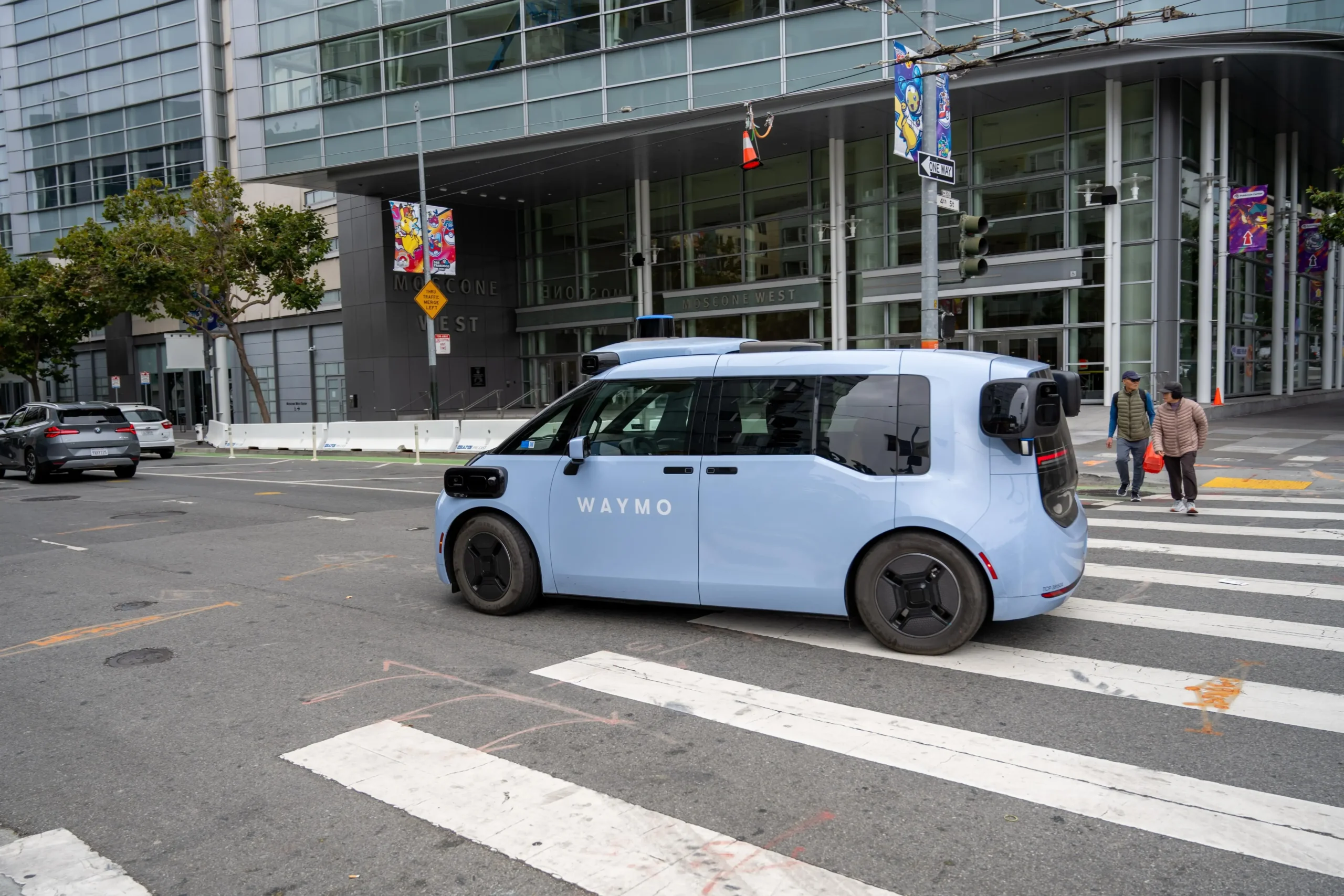
California transportation authorities have taken action involving Waymo’s self-driving vehicles following concerns about the operation of autonomous cars on public roads. The state’s Department of Motor Vehicles has ordered the company to pull its robotaxis off California freeways. The decision has drawn attention to the challenges facing the autonomous vehicle industry as companies expand services in busy urban areas.
Self-driving vehicles use cameras, sensors, software and artificial intelligence to understand their surroundings. They are designed to detect other vehicles, pedestrians, traffic signals and road conditions. Supporters say the technology could improve transport efficiency and reduce some forms of human error. However, operating without a human driver also creates new questions about responsibility when a vehicle faces an unexpected situation.
Freeways present a particular challenge because vehicles travel at high speeds and traffic conditions can change quickly. A vehicle must respond correctly to road closures, emergency vehicles, debris and sudden changes in traffic flow. Even a small delay in recognising a hazard can create serious risks. Regulators therefore need to assess whether autonomous systems can manage these conditions safely.
Waymo has been expanding its robotaxi operations as demand for driverless transport grows. The company is part of a wider industry investing in autonomous driving technology. California has become an important testing and operating market because of its large population and technology sector. The state also has a major role in setting rules that may influence how driverless vehicles operate elsewhere.
The DMV’s action highlights the responsibility of regulators to balance innovation with public safety. Companies need clear rules before expanding their services, while authorities must ensure that vehicles meet safety requirements. The review process can also help identify problems that need to be addressed before wider use is permitted.
Autonomous transport companies argue that their systems can improve as they collect more driving data. However, public trust depends on clear evidence that vehicles can operate safely in real conditions. Regulators must examine how systems respond to difficult situations and whether companies report problems quickly.
The decision may affect Waymo’s operations and future expansion plans in California. It could also influence discussions about the rules governing autonomous vehicles across the United States. The industry will be watching closely to see what steps are required before the vehicles can return to the affected roads.
California’s approach shows that the growth of self-driving technology will depend on more than technical progress. Companies must also meet public safety standards and demonstrate that their systems can operate reliably. The coming regulatory decisions will help shape the future of robotaxis on American roads.

