


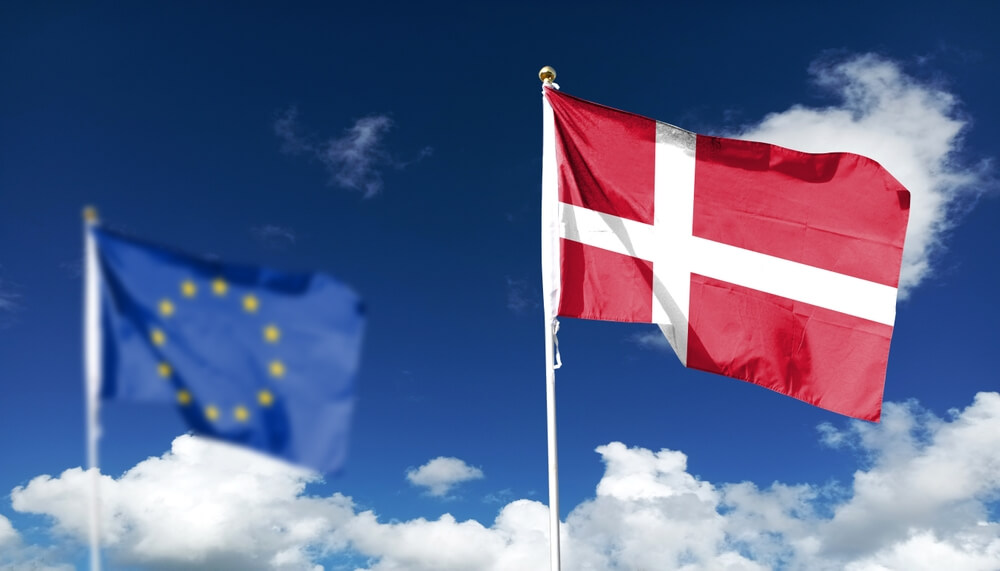
EU Leaders Unite Against Tariff Pressure
European leaders have promised a coordinated response after US President Donald Trump threatened new tariffs on several countries unless Denmark agrees to sell Greenland. Ursula von der Leyen, French President Emmanuel Macron, and German Chancellor Friedrich Merz all emphasized Europe’s commitment to sovereignty, describing the threats as “unacceptable” and warning that they could destabilize transatlantic relations.
Trump announced on social media that starting February 1, imports from Denmark, Sweden, Norway, France, Germany, the Netherlands, Finland, and the UK would face an extra 10% tariff, potentially rising to 25% by June, until a deal for Greenland is reached. EU Council President António Costa said he would coordinate a united European response.
Greenland and Rising Tensions
Greenland, a semi-autonomous territory of Denmark, recently hosted a joint European mission intended to bolster Arctic security. The White House responded angrily, framing the mission as a challenge to US interests. Danish officials rejected claims that foreign powers, including China, are freely navigating Greenlandic waters, noting that no Chinese ships have been spotted in a decade.
The tariff threat follows last summer’s EU-US trade deal, which tripled duties on European goods to 15% while lowering tariffs on US industrial products to zero. European officials worry that Trump’s new threats risk undoing that fragile balance and potentially sparking a broader trade conflict.
Calls for Stronger Retaliation
European lawmakers are pushing for decisive action. The EU’s “anti-coercion instrument,” introduced in 2023, would allow the bloc to block market access, restrict trade licenses, and limit participation in public procurement for countries using trade for political pressure.
German parliamentarian Bernd Lange called out Trump’s tactics as “political coercion” and urged immediate activation of the anti-coercion measures. Meanwhile, Manfred Weber, leader of the European People’s Party, called for freezing the EU-US trade deal, insisting zero tariffs on American goods should be put on hold until the Greenland dispute is resolved.
With tensions escalating, Europe faces a critical test of unity and resolve in defending its sovereignty and resisting economic pressure from the United States.

