


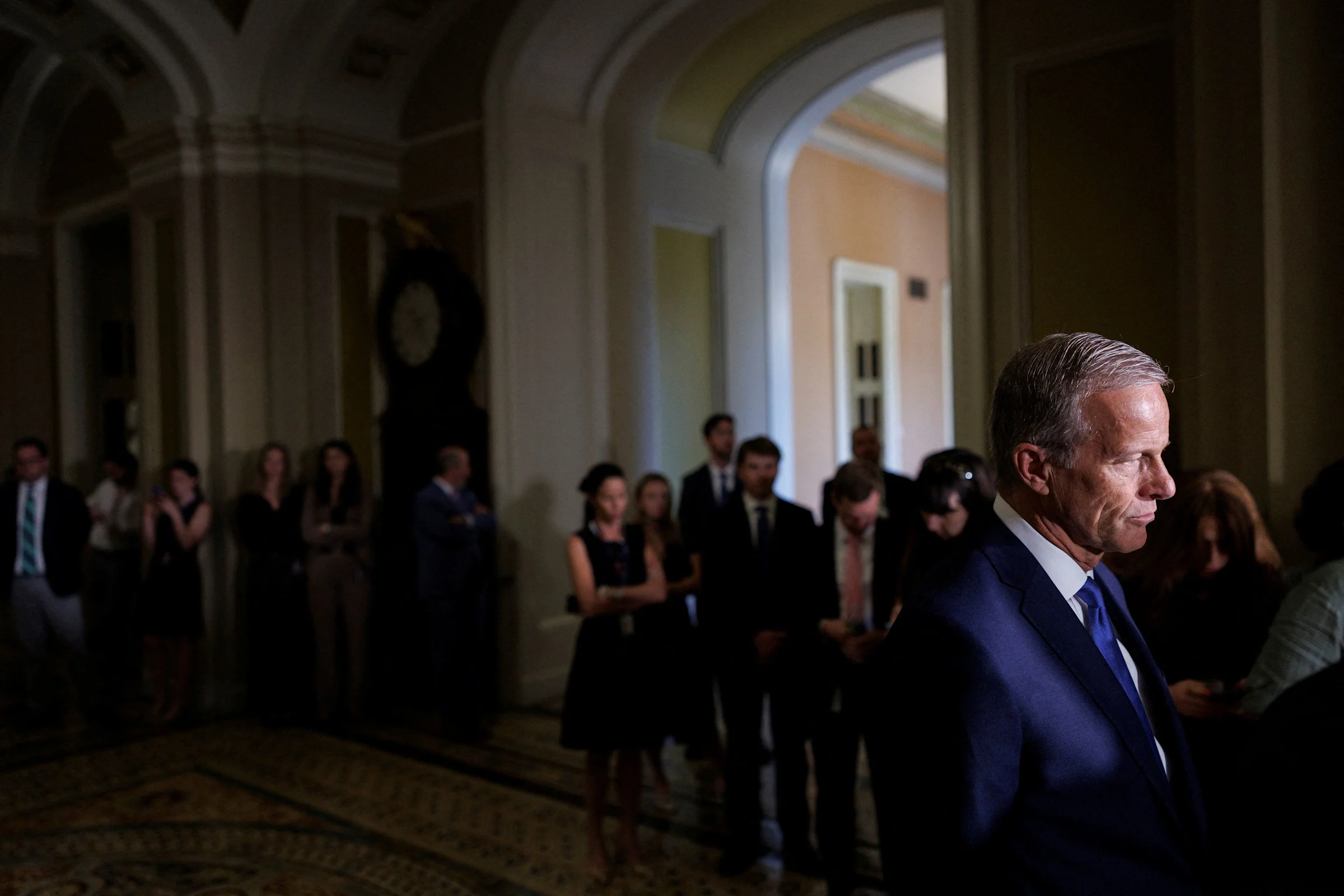
Republicans in the US Senate are moving ahead with a major spending package tied to immigration enforcement, but internal disagreements and White House security costs are creating uncertainty. The GOP immigration funding bill includes about $72 billion in proposed funding and is expected to face a critical series of votes on Wednesday. The outcome could shape the future of immigration enforcement policy and federal security spending.
The process begins with a Budget Committee vote on the homeland security portion of the bill. If it advances, the full Senate could take up the legislation later the same day. Republicans have only a narrow margin for error. They can lose no more than three votes and still pass the bill. This makes every vote highly important. Lawmakers are already under pressure from both fiscal hawks and party leadership.
Once on the Senate floor, the bill is expected to go through a “vote-a-rama.” This process allows unlimited amendments and often leads to long and unpredictable debate. Senators can propose changes, challenge funding levels, and try to reshape the final package. The vote-a-rama stage is often where major policy fights intensify. It can also delay final approval. The process adds uncertainty to the bill’s future.
A key issue affecting the legislation is disagreement over security funding tied to the White House complex. Money for upgrades to the East Wing and a proposed ballroom project has become a political flashpoint. Some senators say the funding structure is unclear and poorly defined. Others argue it risks violating Senate budget rules. These concerns are slowing momentum for the broader bill. The issue has created divisions within the Republican Party.
Senator Rand Paul of Kentucky has raised concerns about the bill’s structure. He has questioned whether the funding amounts are justified. He has not committed to supporting the measure. His position adds pressure on leadership as they try to secure enough votes. Paul is known for taking a strict stance on federal spending. His hesitation increases uncertainty around the final outcome.
Senator Bill Cassidy of Louisiana has also expressed doubts. He said lawmakers do not clearly know how much money is needed for certain security programs. He criticized the approach to setting funding levels without detailed justification. He told reporters that guessing numbers is not a responsible way to manage government spending. His comments reflect broader concerns about fiscal planning. Cassidy’s position is important because of his influence on budget discussions.
The bill is part of a larger Republican effort to increase funding for immigration enforcement. It is designed to strengthen border security operations and related federal agencies. Supporters argue the funding is necessary to address ongoing migration challenges. They say current systems are under strain. The package is also seen as a priority for the party’s national agenda. It reflects a tougher stance on immigration enforcement.
However, disagreements over spending priorities are complicating the process. Some lawmakers are concerned about balancing immigration funding with other security needs. The inclusion of White House-related construction costs has added another layer of controversy. Critics argue it distracts from the main purpose of the bill. Others say it raises questions about transparency in federal budgeting. These tensions are slowing progress in the Senate.
The legislative fight highlights broader divisions within the Republican Party over fiscal discipline and national security spending. While some senators support strong investment in enforcement, others are focused on reducing federal spending. This internal split is shaping negotiations. It is also making it harder to build consensus. Leadership is working to keep the bill on track despite the disagreements.
If passed, the GOP immigration funding bill would represent one of the largest recent investments in immigration enforcement. It would expand resources for border control and related agencies. It would also set the stage for future budget debates in Congress. But its fate remains uncertain as negotiations continue. The outcome of Wednesday’s votes will likely determine whether the bill advances or stalls.

