


A new integrated transport ticket has launched in the UK to encourage more visitors to travel to the Lake District without using cars.
The joint ticket allows passengers to travel by train to Penrith and continue by bus to Keswick using one single booking.
The initiative is part of the Let’s Go Car Free campaign, which aims to support low-carbon tourism and reduce road congestion in one of Britain’s most popular tourist regions.
The scheme follows a trial programme that operated during the last two summer seasons. Transport companies involved in the project said passenger numbers increased during the test period.
Under the updated system, Keswick now appears directly as a destination in rail journey planners for passengers using Avanti West Coast and TransPennine Express services.
Officials believe the simpler booking process will encourage more tourists and local residents to choose public transport instead of driving.
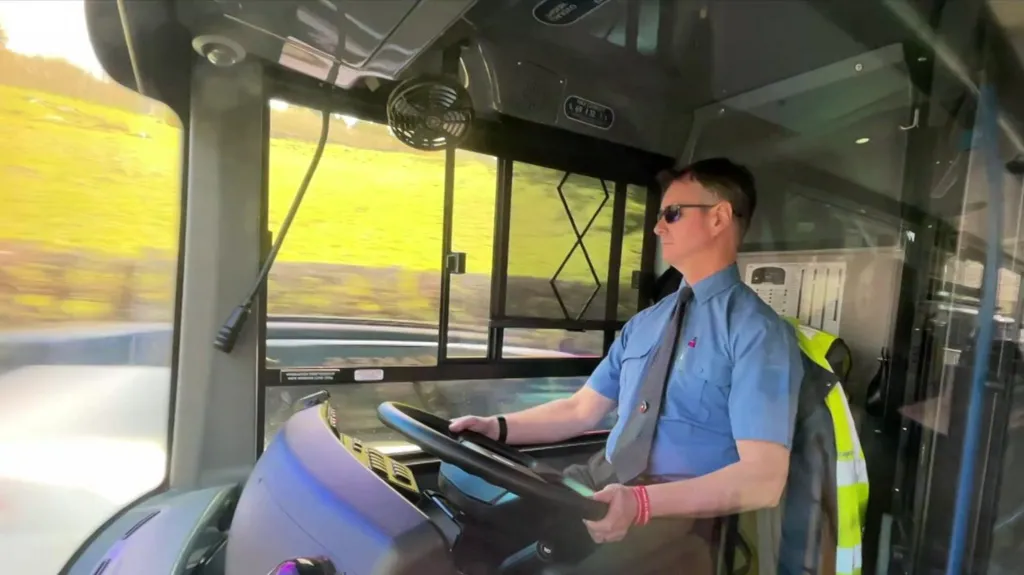
As part of the expansion, Stagecoach doubled the frequency of bus services between Penrith and Keswick. Buses on the route now run every 30 minutes.
Tom Waterhouse said the integrated ticket helps create smoother and easier journeys for travellers visiting the region.
Supporters of the programme say better public transport options are important for protecting the environment and reducing traffic pressure inside the national park area.
Jim Walker said the new system could make sustainable travel more attractive and accessible for both tourists and local communities.
The Lake District attracts millions of visitors every year and often experiences heavy traffic, especially during holidays and summer months.
Environmental groups and tourism organisations have long supported efforts to improve public transport links in the region as part of wider climate and sustainability goals.
However, not everyone believes the new ticket solves the area’s transport challenges.
Frequent traveller Amy D’Agorne said the scheme does not replace the former railway line that once connected Penrith directly to Keswick before closing in the 1960s.
She questioned whether the new system would significantly improve travel for passengers.
According to D’Agorne, public transport journeys between York and Keswick remain difficult and time-consuming compared to driving.
A car journey takes slightly more than two hours, while public transport can take around four hours without delays.
She said the new ticketing system feels similar to previous arrangements and may not convince more people to stop driving.
Despite criticism, transport operators pointed to strong passenger growth during the trial period.
In 2025, Avanti West Coast reported a 48 per cent increase in travellers to and from Penrith during the summer months compared to 2019 levels before the Covid-19 pandemic.
TransPennine Express said passenger numbers rose by 58 per cent during the same period.
Stagecoach also reported strong growth in bus use connected to the scheme.
The company said it recorded nearly 442,000 passenger journeys during the summer season between April and November. That figure represented a 14 per cent increase compared to 2023.
Transport and tourism officials believe the growth shows increasing interest in car-free travel to major tourist destinations.
The UK has been working to encourage greener transport options as part of wider environmental targets aimed at reducing carbon emissions and supporting sustainable tourism.
The Lake District, known for its lakes, mountains, walking routes, and historic villages, remains one of the country’s most visited natural destinations.
Supporters of the integrated ticket system hope easier rail and bus connections will help reduce vehicle traffic while allowing more visitors to enjoy the region without needing private cars.
Further expansion of public transport services could be considered in the future if passenger demand continues growing across the Lake District tourism sector.

