


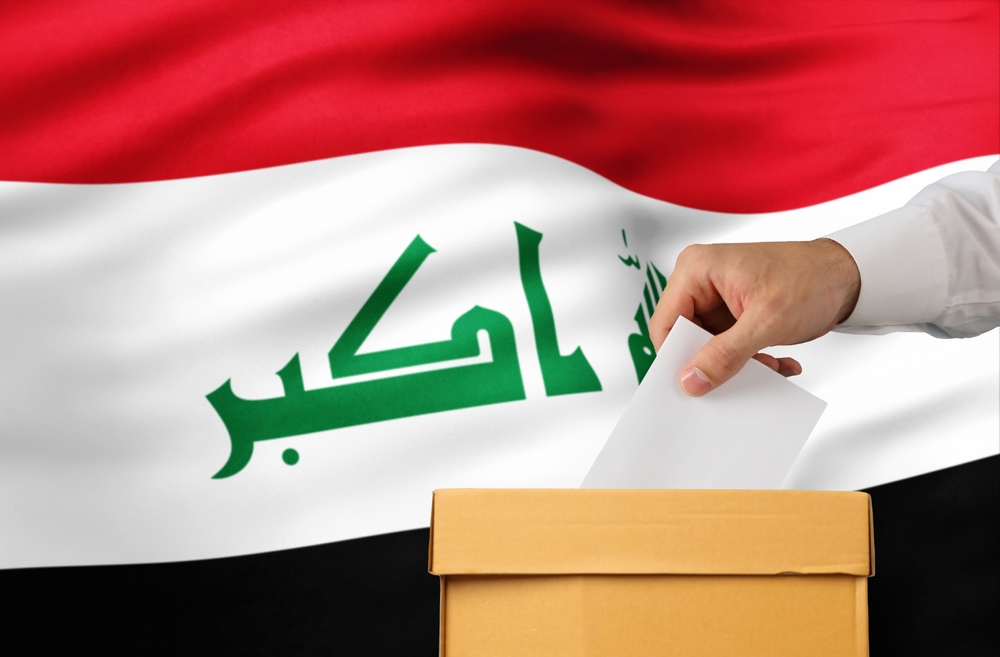
Iraq opened early voting as security personnel and displaced citizens prepared for a high-stakes parliamentary showdown. Over 1.3 million army and security members, plus 26,000 displaced voters, can cast ballots. Prime Minister Mohammed Shia al-Sudani seeks a second term while Iraq navigates tensions with Israel and Iran. Thousands of candidates, mostly tied to sectarian parties, compete for influence across the country.
Minority Voices Cast Ballots From Camps
Displaced Yazidis voted from a camp near Dohuk, still unable to return home after years of Islamic State attacks. Sinjar remains divided among armed groups, and homes and infrastructure lie in ruins. Some families have returned, but few see a secure future there.
Voter Edris Zozani backed the Kurdish Democratic Party, citing its stronger influence in parliament. “Independent Yazidis cannot protect our interests,” he said. “Strong parties give us a real voice.”
Militias and Security Forces Shape Representation
In Baghdad, soldiers, police, and Popular Mobilisation Forces members turned out to vote. The PMF, a mostly Shiite Iran-backed coalition, remains semi-autonomous despite formal military oversight. Parliament debates laws that would define its authority, causing tension with Washington.
One PMF member, speaking anonymously, said, “I voted for the list that defends the PMF.” Several militia factions run their own political lists, potentially reshaping Iraq’s power dynamics and international relations.

