


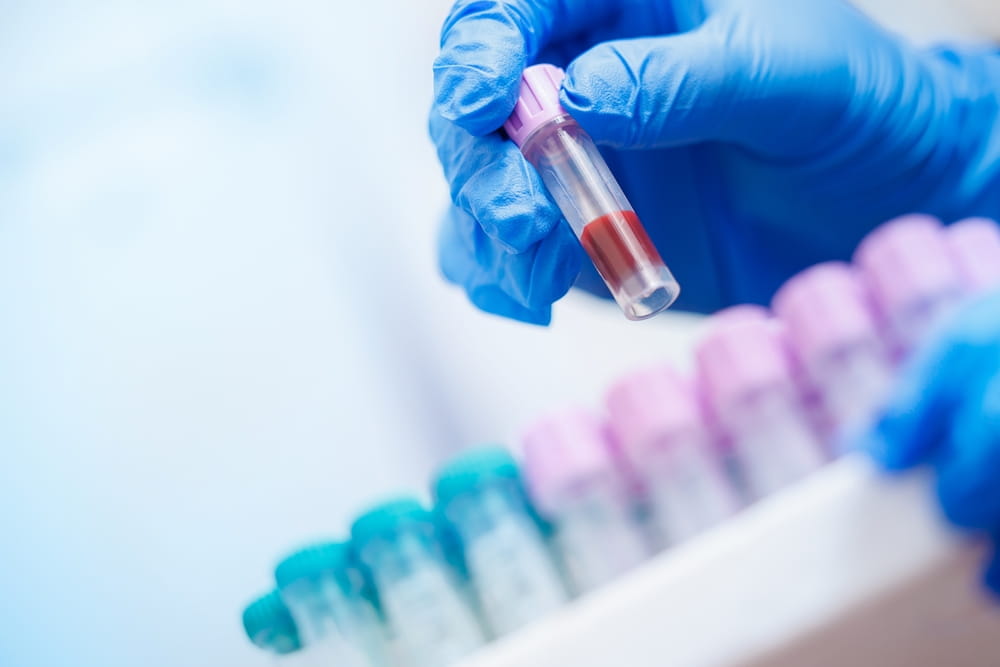
Scientists have developed a straightforward blood test that can predict how well breast cancer patients are likely to respond to specific treatments, potentially allowing doctors to tailor therapy far earlier than is currently possible.
The test analyses circulating tumour DNA (ctDNA) – tiny fragments of genetic material released into the bloodstream by cancer cells. By measuring ctDNA levels before treatment begins, and again after just four weeks, researchers found they could reliably forecast whether a therapy was likely to succeed.
In a study involving 167 patients with advanced breast cancer, those with low or undetectable ctDNA levels had significantly better outcomes. They were more likely to see their tumours shrink and experienced longer periods before their cancer progressed. In contrast, patients with higher ctDNA levels tended to respond poorly to treatment.
The findings were particularly striking in patients with aggressive forms of breast cancer that lack clear molecular targets. For these patients, low ctDNA levels were linked to substantially longer progression-free survival compared with those whose ctDNA remained high.
Researchers say the test could help clinicians avoid giving patients treatments that are unlikely to work, allowing faster switches to alternative drugs or entry into clinical trials. While the study focused on advanced breast cancer, experts believe the approach could also be useful in earlier stages of the disease.
Further trials are under way to determine whether adjusting treatment based on early ctDNA results leads to improved long-term outcomes for patients.

